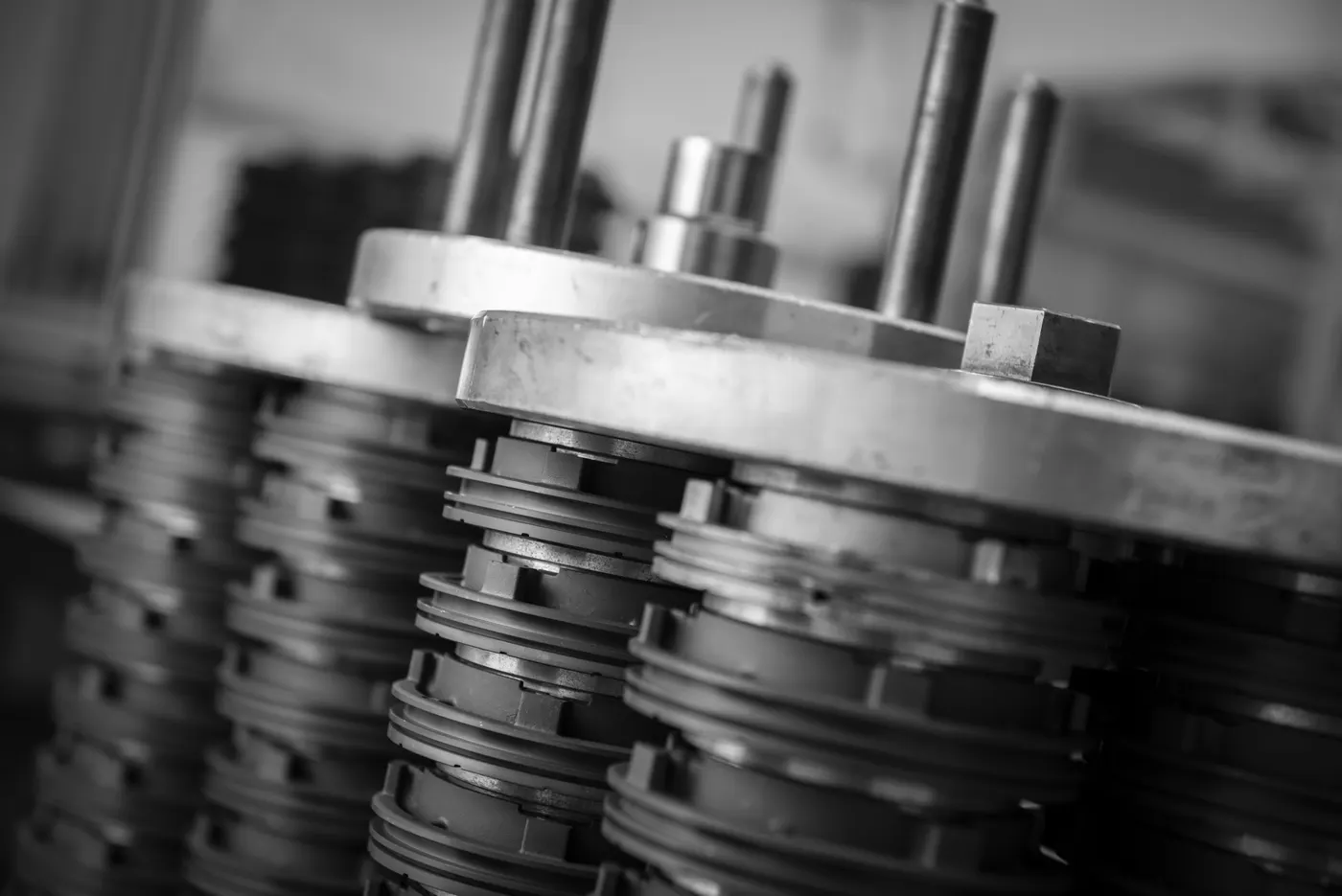
Friction material bonding, surface preparation and component finishing
FTL bonds friction materials to backing plates and associated components as part of a controlled, complete-component manufacturing route.
Surface preparation, automatic or manual shot blasting, bonding, UV curing where applicable, protective coating, paint finishing, assembly and inspection can remain connected with friction-material formulation and precision machining.
A trusted, accountable supplier since 2003
High-performance friction and braking solutions, backed by decades of in-house expertise and supplied to OEM and aftermarket customers worldwide.
Connected capability
Standards and registrations
The applicable bonding process, surface condition, finish, inspection and acceptance requirements must be agreed for each component.
When FTL's bonding and finishing capability is the right route
Engage FTL when the friction material must become part of a finished, controlled component rather than remain an isolated material supply.
A new component needs a defined bonding route
The friction material and associated component are identified, but the project still needs surface preparation, bonded area and interfaces, bonding process, curing route, finish, inspection, validation evidence and repeat-production controls.
An existing bonded component is not performing as required
The team is reviewing bonded-component variation, inconsistent braking, excessive or unpredictable wear, thermal-performance concerns, dimensional or assembly variation, or manufacturing and inspection evidence. FTL can consider the bonding and finishing route within a wider investigation.
An obsolete bonded component must be redeveloped
The original friction material, backing component, drawing, supplier or complete assembly is no longer available. FTL can review the existing component and application before defining a replacement material, geometry, bonding, finishing and revalidation route.
The friction material and backing component come from different suppliers
Separate material, machining, preparation, bonding and finishing suppliers can create additional handovers, unclear responsibility, multiple purchase orders, disconnected inspection records and more complex logistics. FTL can connect those stages through one route.
A machined component needs downstream preparation and finishing
The project needs the machined friction or metallic component to progress through surface preparation, bonding, curing, protective coating, paint finishing, assembly and inspection.
A prototype must transfer into controlled repeat supply
The approved route must establish controlled materials, component revision, surface-preparation requirements, bonding and curing controls, finish, inspection, traceability and ongoing production and delivery arrangements.
Keep the interface between the friction material and complete component under control
A finished friction component depends on more than the friction material alone.
The project must also establish how the material connects with its backing or associated component, how the surfaces are prepared, which curing and finishing processes apply, and how the complete assembly will be inspected.
Potential engineering outcomes
- A shared definition of the complete component
- A defined friction-material and backing-component route
- Agreed surface-preparation requirements
- A defined bonding and curing process
- Agreed finishing and protection requirements
- Defined inspection and acceptance evidence
- Clear FTL and customer validation responsibilities
- A decision on whether further prototype work is required
Potential manufacturing outcomes
- One connected route from material and component machining to bonding
- Controlled surface preparation
- Bonding completed within the approved component route
- Protective coating and finishing to the agreed specification
- Shear, dimensional and final inspection where included
- Production records and batch or lot traceability
- Progression from prototype into repeat manufacture
- Scheduled call-off and worldwide supply where agreed
Bond performance, coating performance, service life and component approval depend on the material, substrate, surface condition, process specification, operating environment and agreed validation route.
What FTL's bonding and finishing capability can include
Not every component requires every stage. FTL can support a defined process or connect the relevant stages within the complete manufacturing route.
Backing and associated-component preparation
Preparation of backing plates or associated components before bonding or finishing.
Automatic and manual shot blasting
Confirmed capability. Where specified, shot blasting can establish the required surface condition before bonding, protective coating, paint finishing or further processing.
Controlled friction-material bonding
FTL bonds friction materials to backing plates and associated components within an agreed component-manufacturing route.
UV light curing where applicable
Confirmed UV-light-curing capability. UV curing may form part of an approved bonding or coating process where it is appropriate to the specified materials and component route.
Protective coating and paint finishing
Applied within the agreed complete-component scope.
Assembly and final component preparation
Where required, the component can progress through structured assembly, customer-specific identification, visual checks, final assembly inspection, and packaging and protection for supply.
Testing, inspection and traceability
Depending on the agreed scope: shear testing of bonded components, CMM dimensional inspection, in-process checks, final visual inspection, final assembly inspection, batch and lot traceability, and production and inspection records.
Testing & Inspection →What to bring to the first bonding and finishing discussion
Start with what is available. FTL does not require every production parameter to be final before the first conversation.
Application and required function
What equipment or system the component belongs to; what the friction component must do; whether it brakes, holds, locks, damps or controls motion; what has prompted the enquiry; whether the component is already in service.
Project starting point
Whether the requirement relates to a new bonded component, an existing approved component, an existing component under review, an obsolete component, a performance concern, or a prototype moving towards production.
Friction-material information
Material reference, material family, material form, current technical data sheet, component geometry, surface requiring bonding, and current material or component concerns.
Backing or associated-component information
Drawing, partial drawing, CAD file, existing component, component material, geometry, bonded area, mating or interface surfaces, current coating or finish, and required final configuration.
Surface-preparation requirements
Where known: current surface condition, required preparation, areas to be prepared, areas to protect, customer or drawing requirements, and required inspection evidence.
Bonding and curing requirements
Where available: existing process specification, customer-approved bonding system, cure requirements, process restrictions, required test evidence, and customer acceptance criteria. FTL must confirm whether the specified process fits its current capability.
Finishing requirements
Any known protective-coating specification, paint specification, colour, finish, masking requirements, identification, inspection requirements, and packaging and handling requirements.
Operating environment
Temperature, load, speed, contamination, required braking or holding behaviour, environmental exposure, and conditions under which the component is applied.
Production and supply context
Later discussions can cover prototype quantity, expected annual volume, repeat-production schedule, inspection frequency, inventory holding, scheduled call-off, packaging, labelling and international delivery.
Expected annual volume and detailed commercial qualification are discussed after technical fit has been established.
Seven elements define a bonded friction component
Friction material
Material reference or development status, material family, material form, relevant technical information, current revision, application and validation status.
Friction Material Formulation →Backing or associated component
Component material, geometry, interfaces, bonded area, mating surfaces, finish before bonding, inspection requirements.
Surface preparation
Required surface condition, preparation process, areas to prepare, areas to protect, cleaning or handling requirements, inspection and acceptance evidence.
Bonding route
Approved bonding system, application method, component configuration, process controls, cure requirements, customer or programme restrictions.
Finishing route
Protective coating, paint finish, areas to coat or mask, identification, cure route, final appearance requirements, inspection.
Testing and inspection
Shear-testing requirement, dimensional inspection, in-process checks, visual inspection, final assembly inspection, acceptance criteria, required records.
Production control
Material revision, component revision, bonding-process specification, finish specification, production records, batch or lot traceability, change-control responsibilities, packaging and supply requirements.
A controlled route from prepared components to finished assembly
The exact process depends on the component, but each stage should produce enough information or evidence to support the next manufacturing decision.
Establish technical fit
- Application
- Component function
- Friction material
- Backing component
- Drawing or sample
- Final configuration
- Immediate concern
Confirm component and design responsibility
- Drawing or component revision
- Design authority
- Approved material reference
- Backing-component responsibility
- Customer approval responsibility
- File-transfer and confidentiality
Define the surface-preparation route
- Current component condition
- Areas requiring preparation
- Required surface condition
- Shot blasting or other approved preparation
- Areas requiring protection
- Inspection requirements
Define the bonding and curing route
- Friction material
- Backing or associated component
- Bonded area
- Approved bonding system
- Component alignment
- Cure process
- Process-control requirements
- Required evidence
Prepare the friction and backing components
- Machining
- Cleaning or handling within the approved process
- Automatic or manual shot blasting
- Surface preparation
- Masking or protection where specified
Bond and cure the component
- FTL completes the agreed bonding and curing process for the defined component configuration
Apply the agreed finish
- Protective coating
- Paint finishing
- UV curing where applicable
- Customer-specific identification
- Assembly
- Final preparation
Test and inspect
- Shear testing
- CMM dimensional inspection
- In-process checks
- Visual inspection
- Final assembly inspection
- Review of production records
Support validation or customer approval
- FTL provides the bonding, finishing, testing and inspection evidence within its agreed scope
- The customer or appointed authority completes any additional system, equipment, platform or regulatory evaluation
Establish controlled repeat manufacture
- Material and component revision
- Surface-preparation process
- Bonding and curing requirements
- Finish specification
- Inspection requirements
- Production documentation
- Traceability
- Change-control responsibilities
Establish storage and scheduled supply
- Secure finished-goods storage
- Controlled inventory
- Scheduled call-off
- Customer-specific packaging
- Labels and barcodes
- Export documentation
- International delivery
Prepare the component surface for the agreed downstream process
Surface preparation must be defined around the component, bonded interface and finishing specification.
FTL's automatic and manual shot-blasting capability can form part of that route where it is appropriate to the component.
Automatic shot blasting
May support repeatable preparation of suitable components within the confirmed equipment and process scope. The project must confirm component size and geometry, component material, areas to prepare, required surface condition, areas to protect, inspection criteria and production quantity.
Manual shot blasting
May be considered for component configurations requiring a different preparation route. The same component-specific process and acceptance requirements still apply.
Preparation before bonding
Where specified, surface preparation can establish the agreed condition before the friction material is bonded to its backing or associated component. Do not treat shot blasting alone as proof of bond integrity.
Preparation before coating or paint finishing
Where specified, shot blasting can form part of the preparation route before the approved protective coating or paint system is applied.
Surface-preparation evidence
Where required, the project should define process specification, component revision, surface-preparation stage, inspection method, acceptance criteria, production record and traceability requirements.
Define the bonding route around the material and complete component
The appropriate bonding route depends on the friction material, backing or associated component, geometry, operating environment and evidence required for approval.
Material compatibility
FTL must review friction-material reference, backing-component material, existing technical information, component construction, approved bonding-system requirements, and the application and operating environment.
Component preparation
The agreed route should define bonded surfaces, surface-preparation requirements, areas requiring masking or protection, component alignment, handling requirements, and inspection before bonding.
UV curing
FTL's confirmed UV-light-curing capability can be used where the approved bonding or coating system requires it. The precise material, component, exposure requirement, cure condition, inspection and acceptance evidence must be defined for the project.
Bonding-system control
Before production, confirm approved bonding system, material and component revision, application requirements, cure requirements, process restrictions, storage and handling controls where applicable, production records and change-control responsibilities.
Bonding evidence
Depending on the project: process records, material and component traceability, shear-test results, in-process checks, final visual inspection, and final assembly inspection.
Finish the complete component to the agreed specification
Protective coating and paint finishing may form part of the complete-component route after machining, preparation and bonding.
The required system must be agreed around the component, intended environment and customer specification.
Coating and paint specification
01Approved coating or paint system, colour, finish, areas to coat, areas to leave uncoated, masking requirements, cure route, and customer or programme specification.
Component preparation
02Surface condition before application, cleaning or handling requirements, shot-blasting requirement, areas requiring protection, and inspection before coating.
UV curing where applicable
03Where the approved coating system uses UV curing, FTL can incorporate that process within the agreed route. Not all coatings are UV cured.
Customer-specific identification
04Where required and agreed, final-component preparation can include customer labels, barcodes, identification, packaging and protection for shipment.
Finish inspection
05Visual acceptance criteria, areas requiring inspection, component condition, customer-specific requirements, required records and final approval responsibility.
Verify the bonded and finished component against agreed requirements
Testing is tied to defined engineering questions, not a generic claim. Shear testing, CMM dimensional inspection, in-process checks, visual and final assembly inspection and traceability are scoped to the component, sample, method and acceptance criterion agreed for the project. There is no universal bond-strength value.
Where the method detail lives
Detailed shear-testing, dimensional inspection and traceability method content is held on the Testing & Inspection capability page.
Testing & Inspection →Validation boundary
The project must define which evidence FTL will provide, what FTL testing represents, what customer or system-level testing remains necessary, who approves the final component, and who holds equipment, programme or regulatory approval responsibility.
FTL's process and component testing support engineering and production decisions within the agreed scope. They do not automatically prove complete system performance.
What a bonding and finishing engagement can deliver
Deliverables must be agreed for each project. Not every engagement includes every item.
Depending on the agreed scope, an engagement can deliver a defined component and process definition, prepared and bonded friction components, finished and assembled components, testing and inspection evidence, a controlled production definition, and repeat or lifecycle supply. Several of these stages connect to the wider FTL capability set.
A prototype or test component is not production-approved before the required customer review and validation route is complete.
Keep surface preparation, bonding and finishing inside the complete manufacturing route
A fragmented supply chain can separate the friction-material manufacturer, machinist, backing-component supplier, surface-preparation provider, bonder, finisher and inspector. FTL can connect surface preparation, bonding, curing and finishing with material formulation, machining and inspection through one accountable route, helping keep the approved material, component and process definitions aligned.
Actual lead-time, administrative or cost benefits depend on your existing supplier arrangement and the agreed FTL scope.
Bonding and finishing within three engineering project routes
New Programme Support
Supports a new component moving through material and component development, prototype manufacture, surface-preparation definition, bonding and curing, testing and inspection, validation and repeat production.
Legacy & Obsolete Component Reverse Engineering
Supports redevelopment where the original material is unavailable, the backing component or complete assembly is obsolete, the drawing is incomplete, the original supplier no longer supports the component, or a replacement component requires testing and revalidation.
Friction System Performance Optimisation
The bonded-component route may form part of a wider review where the evidence indicates further work is required around material behaviour, component geometry, bonded construction, surface preparation, finishing, dimensional consistency or production controls.
Bonded and finished friction components for demanding industries
The process route is determined by the individual application, component construction and approval requirements.
Aerospace
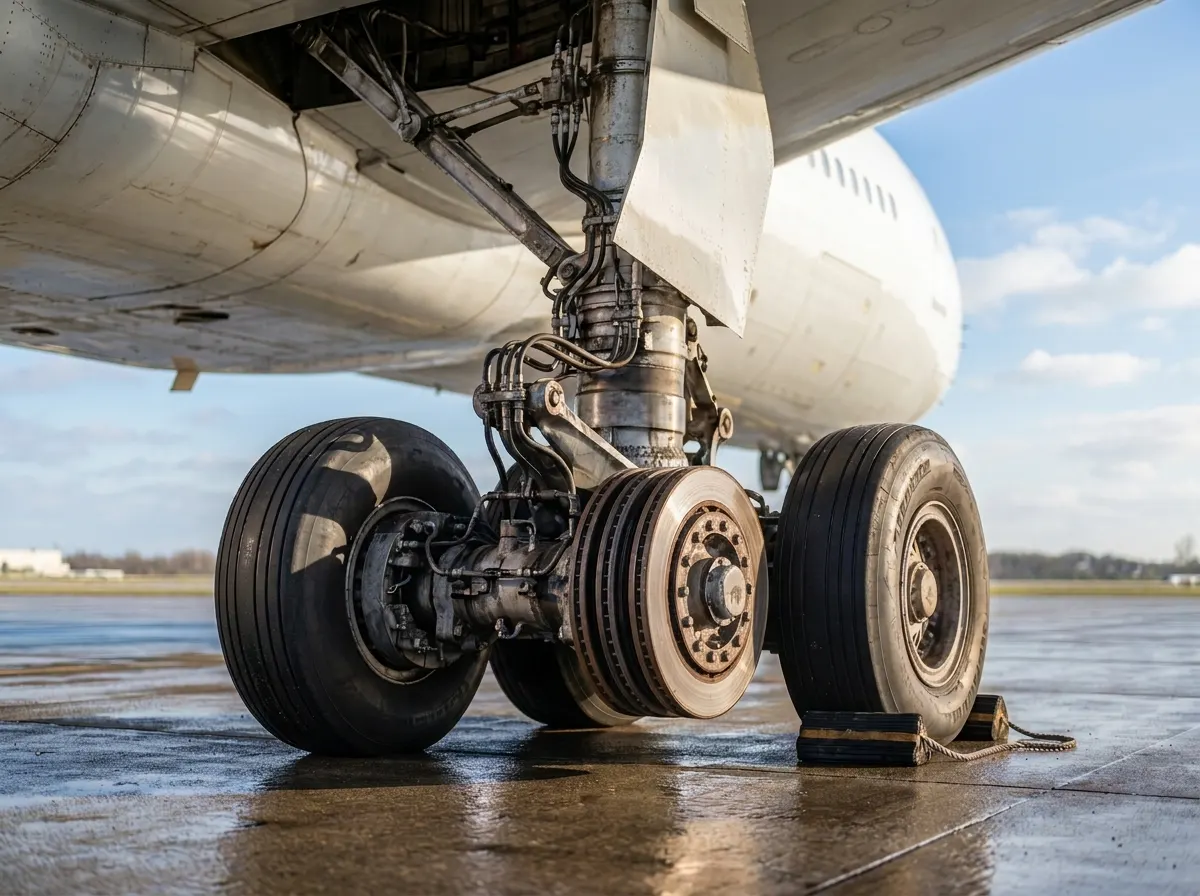
Bonded and finished friction components for braking, locking, holding, actuation and motion-control applications where inspection, documentation and validation responsibilities must be clearly defined.
Aerospace Friction Materials & Components →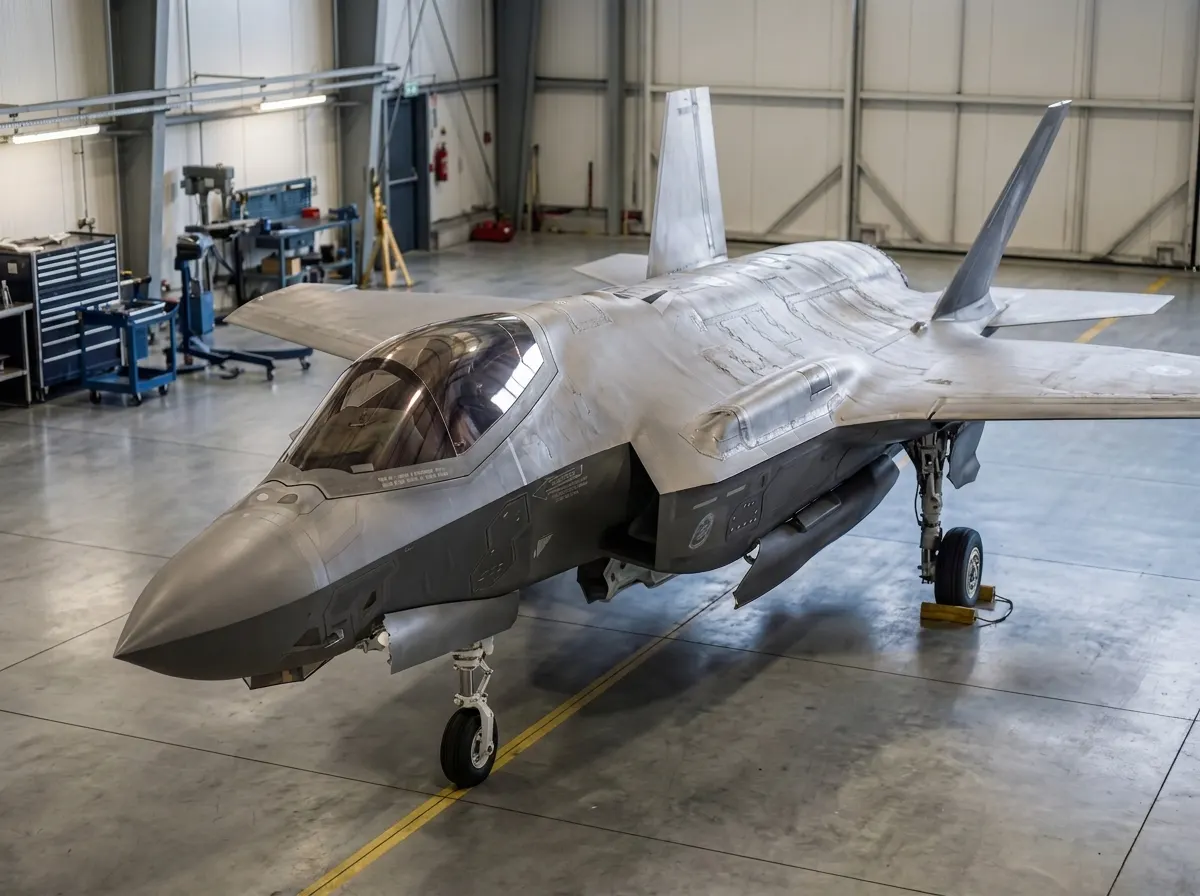
Defence
Controlled component manufacture for defence programmes where supplier assurance, information handling, traceability and programme continuity matter.
Defence Friction Materials & Components →
Wind Energy
Material, bonding and complete-component support for yaw-brake programmes, obsolete components and performance-review projects.
Wind Turbine Friction Materials & Components →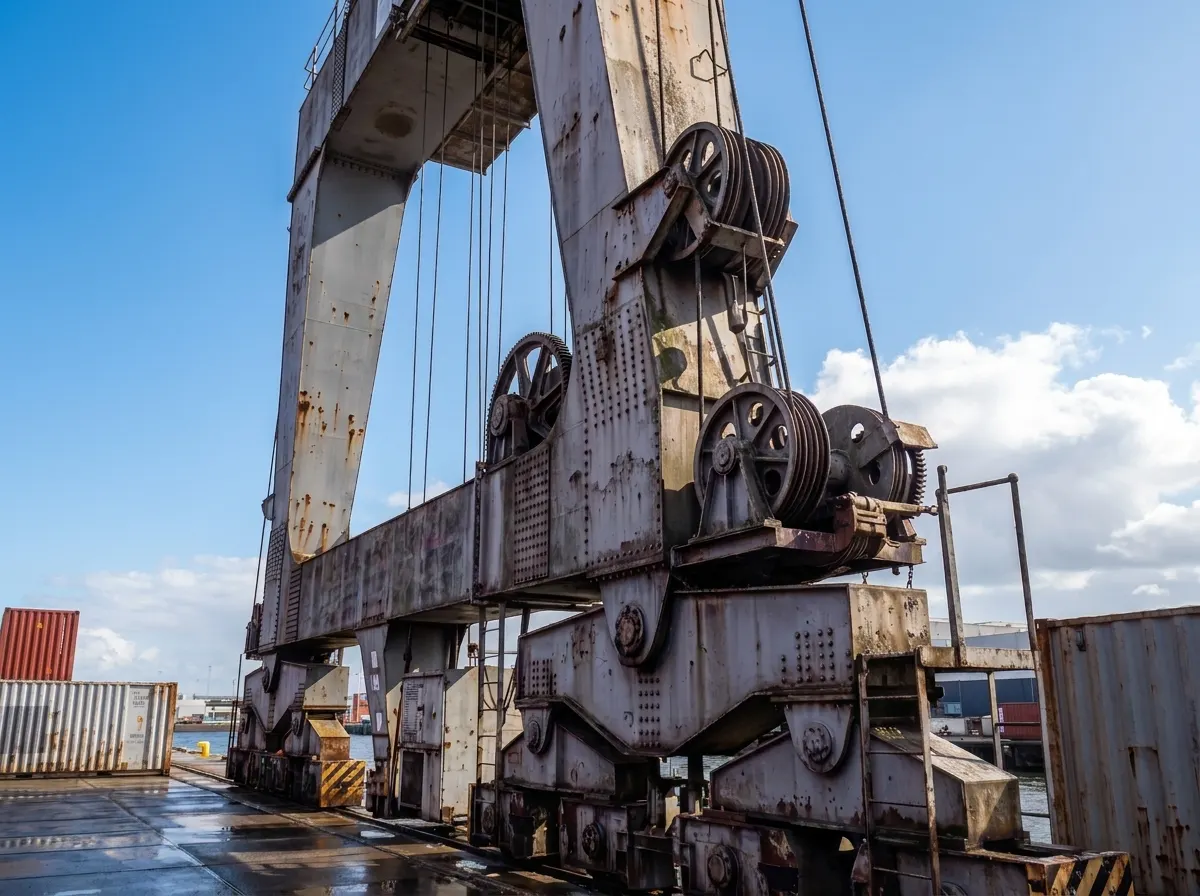
Industrial Equipment
Custom bonded friction components for industrial braking, crane, motor, safety-equipment and motion-control applications.
Industrial Friction Materials & Components →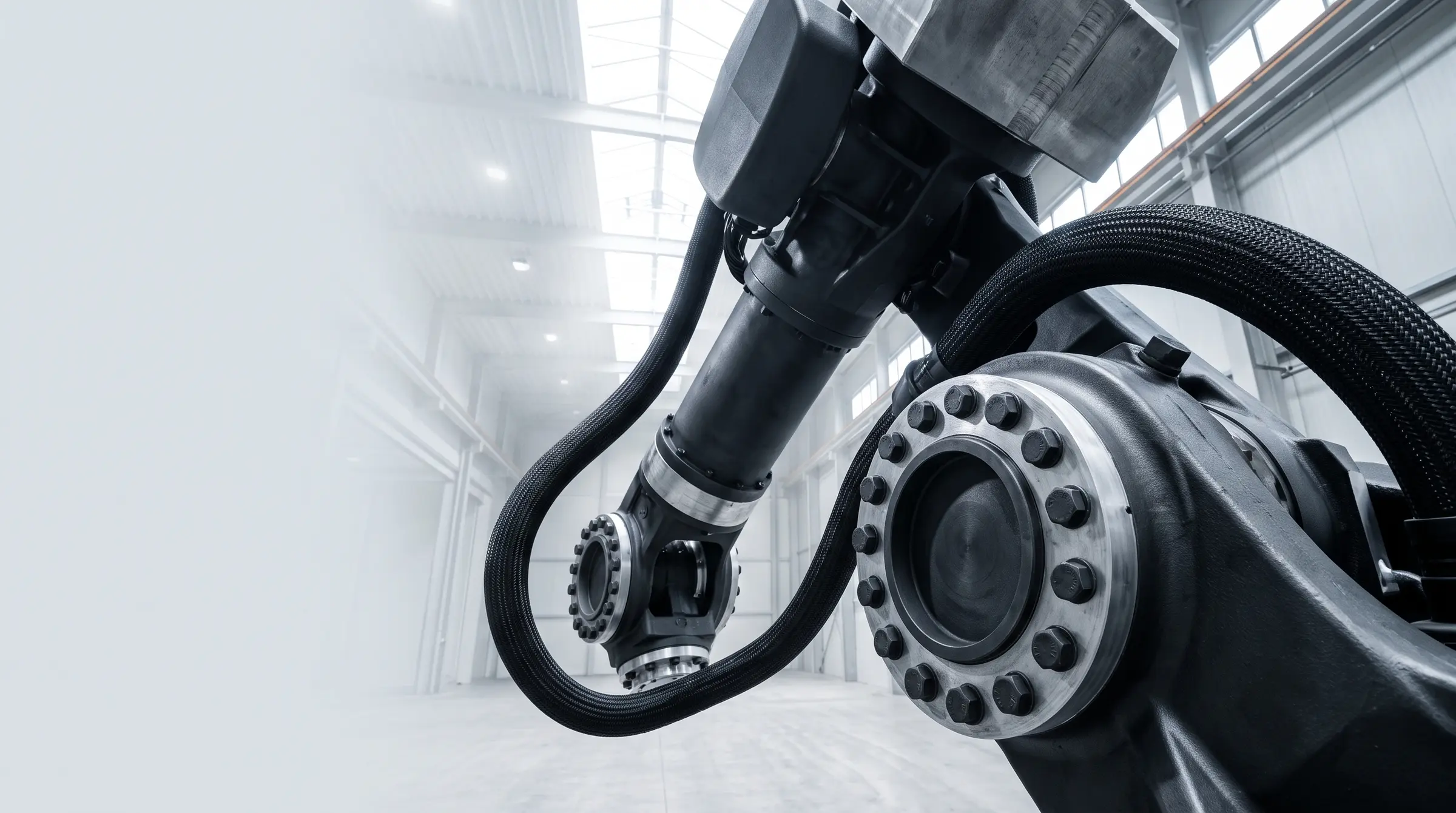
Robotics
Bonded friction components for robotic joint brakes and holding devices used in industrial and collaborative robots.
Robotics Friction Materials & Components →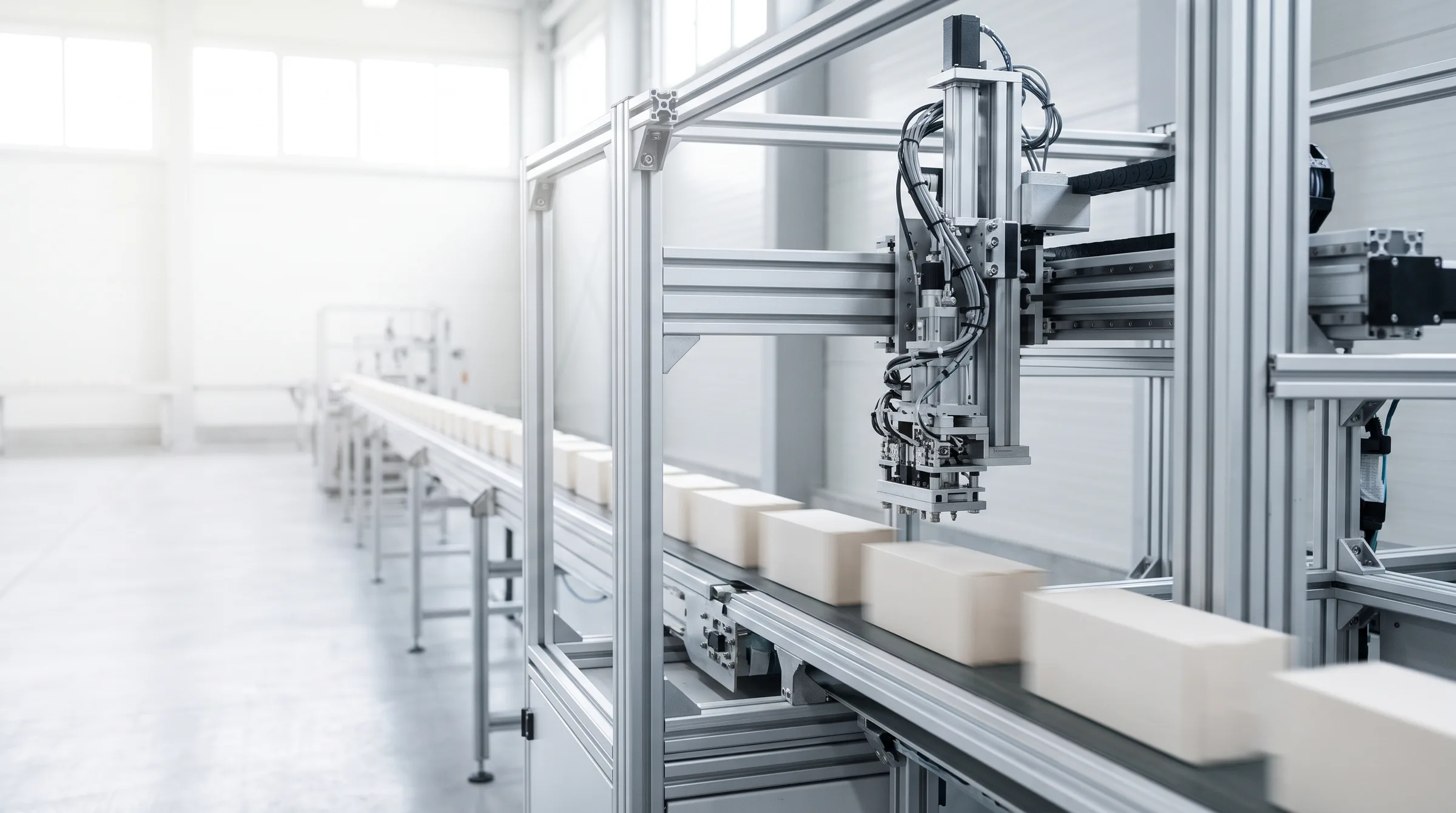
Industrial Automation
Bonded and finished brake and clutch components for servo motor brakes, electromagnetic brakes and automated handling equipment.
Automation Friction Materials & Components →Bonding and finishing supported by connected manufacturing and inspection
SDTS approached FTL after an original aircraft brake pad became unavailable. FTL redesigned the pad, established an appropriate replacement-material route and manufactured the replacement component, supporting SDTS's route to a certifiable modification.
“The quality of the manufactured product is remarkable.”
Olivier Moulin 
Confirmed capability proof
- Friction material bonded to backing plates and components
- Automatic and manual shot blasting
- UV-light-curing capability
- Protective coating and paint finishing
- Assembly and final preparation
- Shear testing of bonded components
- CMM dimensional inspection
- In-process and final inspection
- Batch and lot traceability
- Repeat manufacture and worldwide supply
Company standards and registrations





This case demonstrates complete-component engineering and manufacture.
Is FTL the right bonding and finishing route for your component?
FTL is a strong fit when
- The requirement is part of a brake or motion-control application
- A friction material must be connected to a backing or associated component
- Material, machining, bonding and finishing need to remain aligned
- A prototype must progress into controlled repeat manufacture
- Surface preparation and component finishing form part of the agreed route
- Shear, dimensional or final inspection matter
- An obsolete bonded component must be redeveloped
- You want fewer suppliers across the complete-component route
- Finished components require storage, scheduled call-off or worldwide supply
FTL must confirm fit when
- The component or substrate material is not confirmed
- The customer supplies the friction or backing component
- A specific adhesive or bonding system is mandatory
- A particular shot-blasting standard or surface profile is required
- A specific coating or paint system is required
- The component requires a currently unconfirmed curing process
- The project requires a customer-specific test or approval standard
A different route may be more appropriate when
- You need a generic commercial shot-blasting service
- You need unrelated industrial painting
- You need a generic adhesive-bonding contractor
- You are seeking a brake-relining or refurbishment service only
- You need an immediate stock part
- You are purchasing solely by part number
- No engineering or manufacturing review is required
Frequently asked questions about friction-material bonding and finishing
What does FTL bond?
Can FTL manufacture the backing component as well?
Can FTL bond customer-supplied friction material or components?
Which backing-component materials can FTL bond?
Does FTL provide hot and cold bonding?
Which adhesives or bonding systems does FTL use?
Does FTL provide shot blasting?
Why can surface preparation be needed before bonding?
Does FTL use UV curing?
Does FTL provide protective coating and paint finishing?
Can FTL guarantee corrosion resistance or coating life?
Can FTL reline existing brake shoes, bands or used components?
Can FTL rivet or mechanically attach friction material?
Can FTL manufacture integrally moulded brake pads?
What inspection can support a bonded component?
Does shear testing guarantee complete component performance?
Can FTL support prototypes?
Can prototypes move into serial production?
How quickly can FTL bond and finish a component?
When are quantity and pricing discussed?
Can FTL supply bonded and finished components outside the UK?
Ask an FTL engineer about bonding and finishing
A part number, a machine, or the problem in your own words.
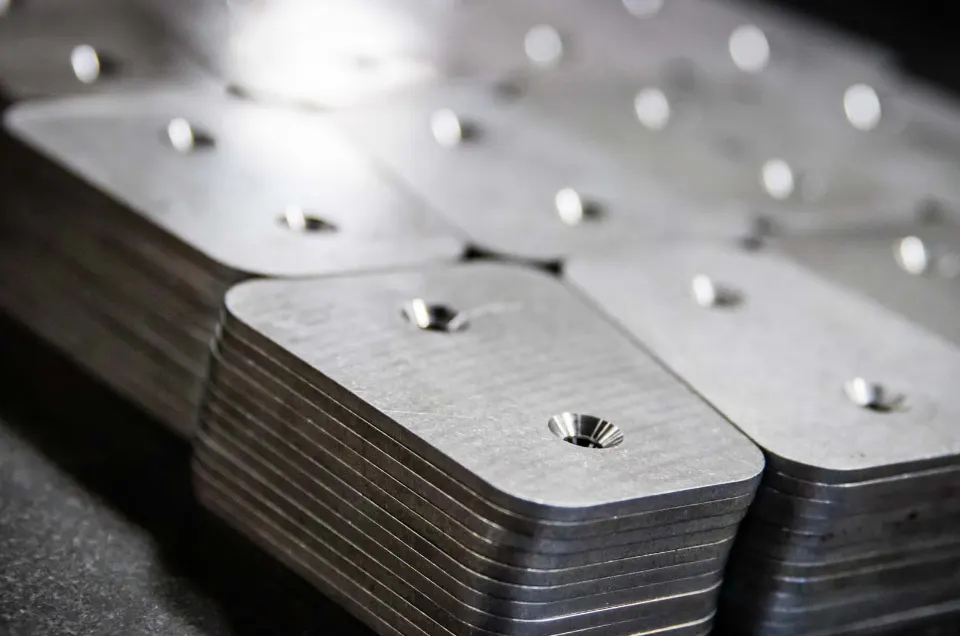
Bring FTL the friction material, backing component or finished-assembly requirement
Tell FTL what the component needs to do, which material and component information your team currently has and what has prompted the enquiry.
A short initial brief is enough.
The relevant technical, engineering and commercial team members can then review the surface preparation, bonding, curing, finishing, inspection and most appropriate next step.
Optional drawing or specification upload available.