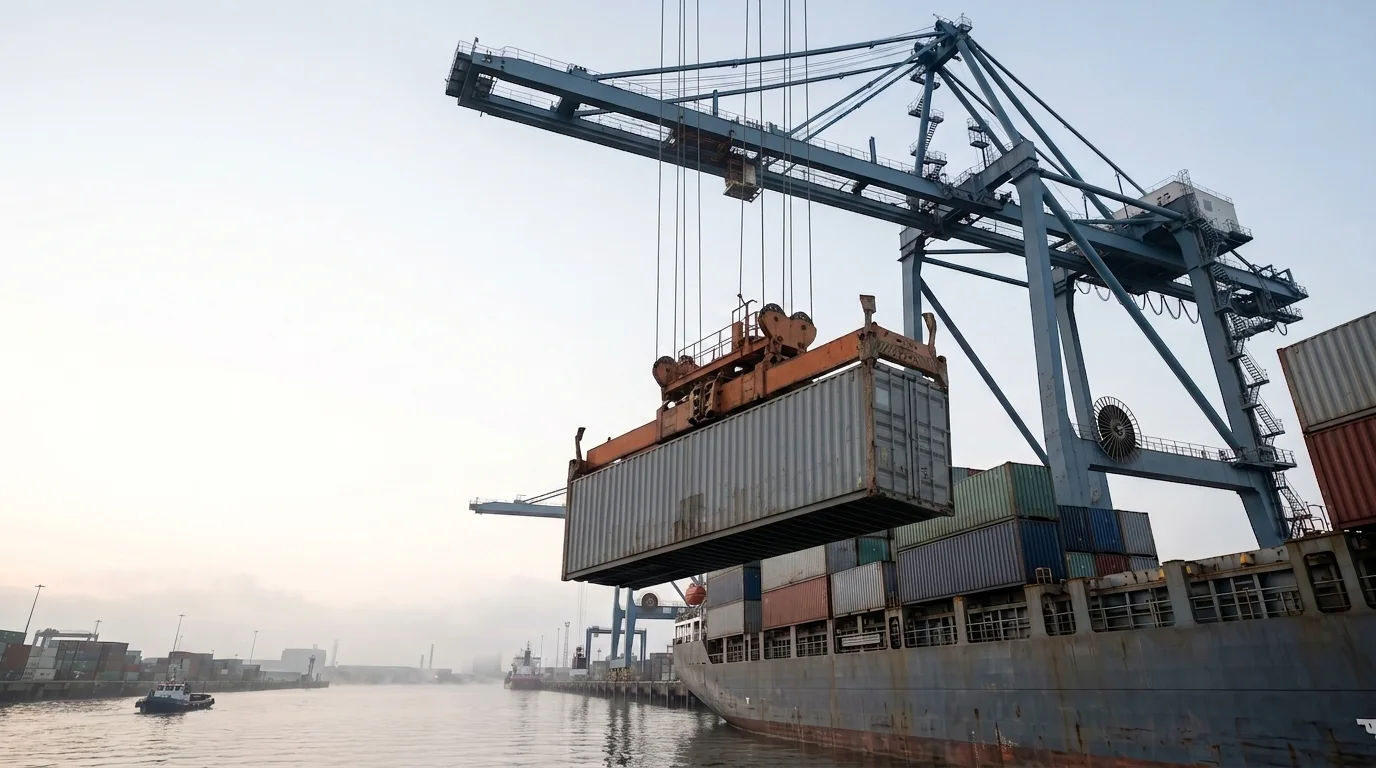
Custom industrial friction materials and brake components for demanding equipment
FTL supports industrial OEM engineering, R&D and technical teams with custom friction materials and complete brake or motion-control components.
Engage FTL when a new equipment programme needs a friction solution, an existing braking system is not performing as required, or a legacy material or component can no longer be sourced.
Friction-material formulation, component engineering, precision machining, bonding, finishing, testing, inspection and repeat supply can be managed through one accountable manufacturing route in North Wales.
Bring us the application, existing component, drawing or performance requirement, not simply a part number.
FTL industrial manufacturing credentials
Company standards and registrations
These are company-level standards and registrations. Their relevance and the required quality documentation are confirmed for each industrial programme.
When industrial-equipment teams engage FTL
Start with the programme, performance or supply situation that has created the requirement.
A new equipment programme needs a friction solution
The required function and broad operating conditions are known, but the friction material, complete component or repeatable manufacturing route still needs to be established. FTL can support the route from early technical review through material selection or development, prototype manufacture, testing, validation support and controlled repeat production.
An existing braking or motion-control system is underperforming
The engineering team is experiencing inconsistent braking, excessive or unpredictable wear, thermal-performance concerns, or variation between manufactured components or batches. FTL can review the application, current component, friction material, operating conditions and available production evidence before proposing the next engineering step.
A legacy material or component is no longer available
The original friction material, drawing, supplier or complete component has become obsolete while the equipment or programme must remain supportable. FTL can review the available component and application information before proposing redevelopment, prototype, testing and revalidation work.
The current supply chain has too many handovers
Material formulation, machining, bonding, finishing and inspection are divided between separate organisations, creating unclear responsibility when quality, supply or performance questions arise. FTL can connect the relevant stages through one accountable manufacturing route.
The programme needs dependable repeat supply
A prototype or established component must move into a controlled arrangement covering repeat manufacture, inspection, traceability, inventory holding, scheduled call-off, customer-specific packaging and identification, and international delivery.
Industrial friction applications FTL can review
FTL's confirmed industrial scope includes general braking, crane, motor and safety-equipment applications.
These groups describe application contexts, not a catalogue of stocked parts or a claim that FTL supports every type of industrial machinery.
Industrial braking systems
FTL can review custom friction-material and complete-component requirements where industrial equipment needs a controlled braking or holding function.
- A new component requirement
- An existing component under review
- A performance concern
- An obsolete component
- A drawing or specification
- A physical component with incomplete technical information
Crane applications
FTL can assess custom friction-material and component requirements used within crane-related braking or holding applications. Technical fit depends on:
- The component's required function
- Load
- Speed
- Temperature
- Operating environment
- Available geometry
- Required test and validation evidence
Do not select a material from the word "crane" alone.
Motor applications
FTL can review friction components used within motor braking and related motion-control applications. The engineering brief should establish:
- What must be stopped or held
- How the component operates
- The available installation space
- Operating frequency and conditions
- Known wear or thermal concerns
- Required repeatability
Safety-equipment applications
FTL can review custom friction components for safety-equipment applications where controlled manufacture, repeatability and continuity of supply matter. The exact application, required function, test scope and acceptance responsibilities must be agreed before any suitability claim is made.
General brake and motion-control components
FTL can assess other industrial applications where friction is used to brake, hold or control motion, provided the project fits its confirmed engineering and manufacturing capabilities.
FTL confirms technical fit after reviewing the specific application.
Define the application before selecting the friction material
"Industrial equipment" covers many different operating conditions. A sector label, part number or material name does not define a complete friction solution. FTL begins by understanding what the component must do and the evidence the proposed route must provide.
01What is the application?
- What equipment or assembly the component belongs to
- What function the component performs
- Whether it brakes, holds or controls motion
- What has prompted the enquiry
- Whether the equipment is already in service
02Is this a new design or an existing component?
- A new programme
- A new component for existing equipment
- An existing component under review
- A performance problem
- An obsolete material or component
- A prototype moving towards production
03What operating conditions are known?
- Temperature
- Load
- Speed
- Contamination
- Available installation space
- Required braking or holding behaviour
- Known wear or thermal concerns
- Conditions under which the problem occurs
04What technical information is available?
- Drawings
- Partial drawings
- Specifications
- Existing components
- Material information
- Performance requirements
- Inspection records
- Test results
- Batch or production information
A complete technical pack is not required before the first conversation.
05What must the solution demonstrate?
- Required friction behaviour
- Wear expectations
- Thermal requirements
- Dimensional requirements
- Bonding or assembly requirements
- Inspection requirements
- Acceptance evidence
- Customer and FTL validation responsibilities
06What quality and traceability requirements apply?
- Required production records
- Inspection documentation
- Batch or lot traceability
- Customer-specific identification
- Applicable quality-system requirements
- Any required customer approval process
07How will the finished component be supplied?
- Prototype quantities
- Expected annual volumes
- Repeat-production schedules
- Inventory holding
- Scheduled call-off
- Packaging
- Labelling and identification
- Export and delivery requirements
Expected annual volumes and detailed commercial qualification are discussed after the application and technical fit have been established.
Three engineering routes for an industrial-equipment programme
The correct route depends on the current starting point, not on selecting a standard item from a product list.
New Programme Support
For a new industrial application requiring a defined material, component and manufacturing route. Support can include:
- Application review
- Material selection or formulation
- Engineering and component development
- Prototype manufacture
- Testing and inspection
- Validation support
- Transfer into controlled repeat production
Legacy & Obsolete Component Reverse Engineering
For equipment or a programme that must continue after the original material, drawing, supplier or component becomes unavailable. Support can include:
- Existing-component and evidence review
- Dimensional assessment
- Component redevelopment
- Replacement material selection or development
- Prototype manufacture
- Testing and revalidation support
- Controlled repeat supply
Friction System Performance Optimisation
For an existing component or friction system with braking, wear, thermal or production-repeatability concerns. Support can include:
- Symptom and evidence review
- Operating-condition assessment
- Material and component investigation
- Prototype or comparative-component manufacture
- Testing and inspection
- Support for the agreed implementation route
What FTL can deliver within an industrial programme
Not every project requires every stage. FTL can support one part of the programme or connect the complete route from friction-material development through finished-component supply, with material selection following review of the complete application rather than the material-family name alone.
The connected industrial route can draw on:
Traceability, production documentation and repeat or lifecycle supply are agreed per project and connect to the same accountable manufacturing route.
A controlled path from industrial requirement to repeat supply
The detailed route varies by project, but each stage should provide enough evidence to support the next engineering decision.
Establish technical fit
- The application
- The required function
- New, existing or obsolete
- Current programme stage
- Performance or supply concern
- Information currently available
Define operating and performance requirements
- Temperature
- Load
- Speed
- Contamination
- Required braking or holding behaviour
- Component and installation constraints
- Existing performance evidence
- Inspection and documentation needs
Establish the service, material and component route
- New programme, reverse-engineering or performance review
- Whether an established material may suit
- Whether formulation work is required
- Whether component development is required
- Which manufacturing stages may apply
- What information remains unknown
Agree the prototype, test and responsibility plan
- What FTL will manufacture
- Which material or component variants will be assessed
- Which features or dimensions will be inspected
- Which tests FTL will complete
- What evidence the customer requires
- Which responsibilities sit with FTL
- Which remain with the customer or appointed party
Manufacture the prototype components
- Material-production stages
- Machining
- Bonding
- Surface preparation
- Finishing
- Assembly
- Inspection
Test, inspect and review
- FTL completes the agreed testing and inspection
- Reviews evidence against the defined requirements
- Material, geometry or production route refined where necessary
Support the agreed validation or approval route
- FTL provides engineering, manufacturing, test, inspection and traceability evidence within its agreed scope
- Final equipment, system, customer or regulatory approval responsibilities must be agreed
Transfer into controlled repeat supply
- Repeat-production controls
- Inspection and traceability requirements
- Inventory holding
- Scheduled call-off
- Customer-specific packaging and identification
- Export documentation
- International delivery
The questions industrial buyers need answered before approving a route
Can FTL match or improve the current material performance?
Is the proposed solution already proven in service?
How does FTL support consistent quality and repeatability?
Does FTL have the engineering capability to support more than material supply?
Can the component be supplied sooner?
Can the price be improved?
Select the friction material around the complete industrial application
A material name, nominal coefficient or existing part number is only one part of the engineering brief. FTL considers the operating environment, required function, component design, production route and evidence required for approval before recommending an established material or development route.
FTL's confirmed material families, each reviewed against the application rather than selected by name:
The engineering review may point to more than a material change: an established formulation, optimisation of an existing material, a newly developed formulation, a component-design change, revised bonding or finishing, stronger inspection controls, or further application evidence before any change is recommended.
Published data is a starting point. Final material selection depends on the complete application and agreed validation route.
Industrial engineering capability backed by controlled manufacture
Confirmed proof points
- Friction-material and complete-component capability
- In-house machining, bonding, finishing and inspection
- ISO 9001, ISO 14001, ISO 45001
- Manufactured components supplied worldwide
- Part of n Industries Group since February 2025
Customer logos



Is FTL the right manufacturing route for your industrial application?
FTL is a strong fit when:
Your team has an engineering brief rather than a stock-parts request
A new industrial programme needs a custom friction solution
An existing component has braking, wear or thermal concerns
An original material, component, drawing or supplier has become obsolete
The requirement involves a custom material or complete component
Prototype work may need to progress into repeat manufacture
Testing, inspection, documentation or traceability matter
You want fewer suppliers across the connected manufacturing route
The programme requires inventory, scheduled call-off or worldwide supply
A different route may be more appropriate when:
You need an off-the-shelf part immediately
You are purchasing solely by a standard part number
You need an online catalogue rather than engineering support
Price is the only selection criterion
No technical or manufacturing review is required
The enquiry relates to a consumer replacement product
Frequently asked questions about industrial friction materials and components
What industrial applications does FTL support?
Does FTL manufacture industrial brake pads?
Does FTL manufacture complete components or only friction material?
What industrial friction materials does FTL work with?
Can FTL support a new industrial programme before the design is complete?
Can FTL reverse engineer an obsolete industrial brake component?
Can FTL work without the original drawing?
Can FTL investigate inconsistent braking, wear or thermal problems?
Is the friction material always the cause of a performance problem?
Can FTL guarantee improved performance?
Is every FTL industrial solution already proven in service?
What testing and inspection can FTL support?
Who is responsible for final equipment or system approval?
How quickly can FTL supply an industrial component?
When are price and annual volumes discussed?
Does FTL sell industrial parts by part number?
Can FTL support customers outside the UK?
Ask an FTL engineer about industrial brake and clutch materials
A part number, a machine, or the problem in your own words.
Bring FTL the industrial application, component or performance problem
Tell FTL what the component needs to do, what has prompted the enquiry and what information your team currently has.
A short initial brief is enough. The relevant technical, engineering and commercial team members can then review the operating environment, material route, component requirements and most appropriate next step.
Optional drawing or specification upload available. No long technical questionnaire, standard price or guaranteed programme timescale is required before the first conversation.