Quality systems, certifications and traceability for custom friction components
FTL combines independently assessed management systems with in-house testing, inspection and production traceability.
Review the current certificate scope and validity, then discuss the quality, documentation and approval requirements that apply to your programme.
Our stated credentials include AS9100/EN9100, ISO 9001, ISO 14001, ISO 45001, JOSCAR registration and Cyber Essentials certification.
These credentials support the engineering and manufacturing route from friction-material formulation and component development through machining, bonding, finishing, inspection and repeat supply.
FTL certifications, registration and cyber-security assurance
Each credential opens to show the certificate detail, what it covers, what it does not mean, and the current document to download and verify.

01AS9100 / EN9100 · aerospace quality-management certification
Builds on ISO 9001 with aerospace-sector quality-management requirements for aviation, space and defence supply chains. FTL achieved certification in December 2025.
- Standard: AS9100D / EN9100:2018
- Certified entity: Friction Technology Ltd, Caernarfon, North Wales
- Certificate number: FM 818472 · Issuing body: BSI
- Certified scope: the manufacture of aerospace friction components for brake, clutch, actuator and control-surface systems
- Registered: 9 December 2025 · Valid to: 8 December 2028 · Status: Current · OASIS ID on the certificate
Supports: aerospace supplier qualification within the stated scope, controlled processes, traceability and programme-quality discussions. Does not mean: a component is automatically approved for flight, or that the certificate replaces customer validation or applies outside its scope.
Download the EN9100 certificate (PDF) · IAQG OASIS verification available on request.
02ISO 9001 · quality-management-system certification
The core quality-management framework supporting FTL's controlled manufacturing and customer requirements.
- Standard: ISO 9001:2015
- Certified entity: Friction Technology Ltd
- Certificate number: FS 504348 · Issuing body: BSI
- Certified scope: the manufacture, warehousing and distribution of friction materials for industrial brakes and clutches application
- Registered: 15 August 2006 · Valid to: 3 May 2027 · Status: Current
Supports: requirement review, defined and controlled manufacturing processes, in-process checks, testing, inspection, documentation and batch or lot traceability. Does not mean: a product certificate; conformity is assessed against the applicable drawing, specification, testing and acceptance criteria.
03ISO 14001 · environmental-management-system certification
A management-system framework for identifying, controlling and improving FTL's environmental responsibilities.
- Standard: ISO 14001:2015
- Certified entity: Friction Technology Ltd
- Certificate number: EMS 681087 · Issuing body: BSI
- Certified scope: the manufacture, warehousing and distribution of friction materials and friction components for brake and clutch applications
- Registered: 17 September 2020 · Valid to: 14 April 2029 · Status: Current
Confirms: independent assessment of FTL's environmental-management system within the stated scope. Does not confirm: that a material is environmentally preferable, recyclable, free from a particular chemical, or compliant with REACH, RoHS or another material regulation.
04ISO 45001 · occupational-health-and-safety-management certification
A framework for managing workplace health-and-safety risks. It relates to FTL's organisational workplace controls, not to product or system safety approval.
- Standard: ISO 45001:2018
- Certified entity: Friction Technology Ltd
- Certificate number: OHS 695637 · Issuing body: BSI
- Certified scope: the manufacture, warehouse and distribution of friction materials and friction components for brake and clutch application
- Registered: 25 September 2020 · Valid to: 24 September 2029 · Status: Current
Confirms: independent assessment of the occupational-health-and-safety management system within the certified scope. Does not mean: a component is certified as safe, or that FTL provides final safety approval for customer equipment.
05JOSCAR · supplier registration and assurance
FTL is JOSCAR Registered. JOSCAR supports supplier assurance and pre-qualification for participating aerospace, defence and security buyers by providing validated supplier information. It is a registration, not an ISO-style management-system certification.
- Status: JOSCAR Registered
- Registered entity: Friction Technology Ltd
- Registration / supplier number: available on request
- Registration scope: available on request
- Registration: current · review date available on request
Supports: supplier-information review, buyer pre-qualification, reduced duplication of common supplier information. Does not mean: FTL is automatically approved by every JOSCAR buyer, or that programme-specific requirements and onboarding can be omitted.
Registration evidence available on request.
06Cyber Essentials · baseline cyber-security certification
A baseline set of technical controls designed to reduce exposure to common internet-based cyber threats.
- Certification: Cyber Essentials
- Certified entity: Friction Technology Ltd
- Certificate number and issuing body: stated on the current certificate, available on request
- Certified scope: available on request
- Status: Current · issue and expiry dates available on request
Supports: supplier cyber-security assurance discussions and customer onboarding where Cyber Essentials is requested. Does not mean: FTL holds Cyber Essentials Plus or ISO/IEC 27001, or that classified, export-controlled or contract-restricted information may be uploaded through the public website.
Certificate copy available on request.
Management-system certification applies to the organisation and scope stated on each certificate. It does not automatically certify or approve every material, component, system or customer programme. Do not submit classified, export-controlled or contract-restricted information through the public form; FTL will confirm a secure file-transfer process before any restricted project information is exchanged.
What technical buyers need to verify before approving a supplier
A certification logo is only the starting point. Buyers also need to understand the certified entity, site, scope, validity and controls that apply to the proposed programme.
Is the certification current?
Each credential should show:
- Current status
- Certificate or registration number
- Issuing organisation
- Effective date
- Expiry or renewal date
- Direct document or verification link
Does the scope cover the relevant work?
The wording on the certificate defines the assessed organisational scope. Compare it with:
- The required friction material
- Component manufacture
- Machining
- Bonding
- Finishing
- Inspection
- Warehousing
- Distribution
- Sector requirements
Can the finished component be traced through manufacture?
Depending on the agreed project scope, FTL's confirmed controls can include:
- Material identification
- Production batch or lot records
- Component revision
- In-process checks
- Testing and inspection
- Final inspection
- Storage and dispatch traceability
What evidence will accompany the component?
The required document pack must be agreed for each programme. It may need to identify:
- Material reference
- Component revision
- Applicable production records
- Inspection results
- Test results
- Batch or lot identity
- Customer-specific documentation
Who holds final approval responsibility?
FTL can provide engineering, manufacturing, testing, inspection and traceability evidence within its agreed scope. Final component, equipment, platform, customer or regulatory approval may remain with the customer or another appointed authority.
How will changes be controlled?
The project should define how changes to the following are reviewed:
- Material revision
- Component geometry
- Manufacturing process
- Test or inspection requirements
- Customer-approved configuration
- Documentation
- Packaging and identification
Certification scope matters as much as the logo
Before relying on a credential, confirm that it applies to the correct legal entity, operating site, activity and date.
Check the legal entity
The certificate should identify:
- Friction Technology Ltd
- The certified address
- Any relevant site or facility
- The issuing certification body
Read the scope verbatim
The scope may define activities such as:
- Manufacture
- Warehousing
- Distribution
- Friction materials
- Friction components
- Brake or motion-control applications
Do not paraphrase the scope in a way that makes it broader than the certificate.
Check the edition and validity
Check:
- Standard edition
- Effective date
- Expiry date
- Current status
- Superseded-document status
- Transition information where a standard has changed
Separate management systems from product approval
A certified management system confirms that the organisation has been independently assessed against the relevant standard within the stated scope. It does not automatically confirm:
- Product suitability
- Material performance
- Component approval
- Customer acceptance
- Regulatory approval
- In-service performance
Confirm project-specific requirements
The customer and FTL must still agree:
- Material and component requirements
- Drawing and revision
- Testing
- Inspection
- Documentation
- Traceability
- Validation responsibilities
- Change control
Connect the finished component with its material and production history
Traceability requirements should be defined for the individual programme rather than assumed from a generic phrase.
Material identification
The agreed record can identify:
- Material reference
- Material revision
- Material batch or lot
- Applicable technical document
- Customer-controlled material where relevant
Component identification
The production route can identify:
- Component reference
- Drawing or design revision
- Associated backing or metallic component
- Bonded or assembled configuration
- Customer-specific identification
Manufacturing-stage traceability
Depending on the agreed scope, records can connect the component with:
- Material manufacture
- Machining
- Surface preparation
- Bonding
- Finishing
- Assembly
- Testing
- Inspection
Testing and inspection records
The project can define the required record for:
- Material or dynamic testing
- CMM inspection
- Shear testing
- In-process checks
- Final visual inspection
- Final assembly inspection
Storage and dispatch traceability
The agreed supply route can maintain identification through:
- Finished-goods storage
- Inventory
- Call-off
- Packaging
- Labelling
- Dispatch
- Export documentation
Document pack
Confirm which documents are required, such as:
- Certificate of conformity
- Inspection report
- Test report
- Material certificate
- Batch or lot record
- Customer-specific documentation
The available document pack is confirmed for each individual project.
Inspection and test evidence linked to the manufactured configuration
Testing and inspection should answer a defined engineering or production question.
Results apply to the agreed material, component, sample and conditions.
Material and dynamic testing
Depending on the agreed scope, FTL can support:
- Coefficient-stability assessment
- Wear-rate assessment
- Thermal-performance assessment
- Comparison between defined material routes
CMM dimensional inspection
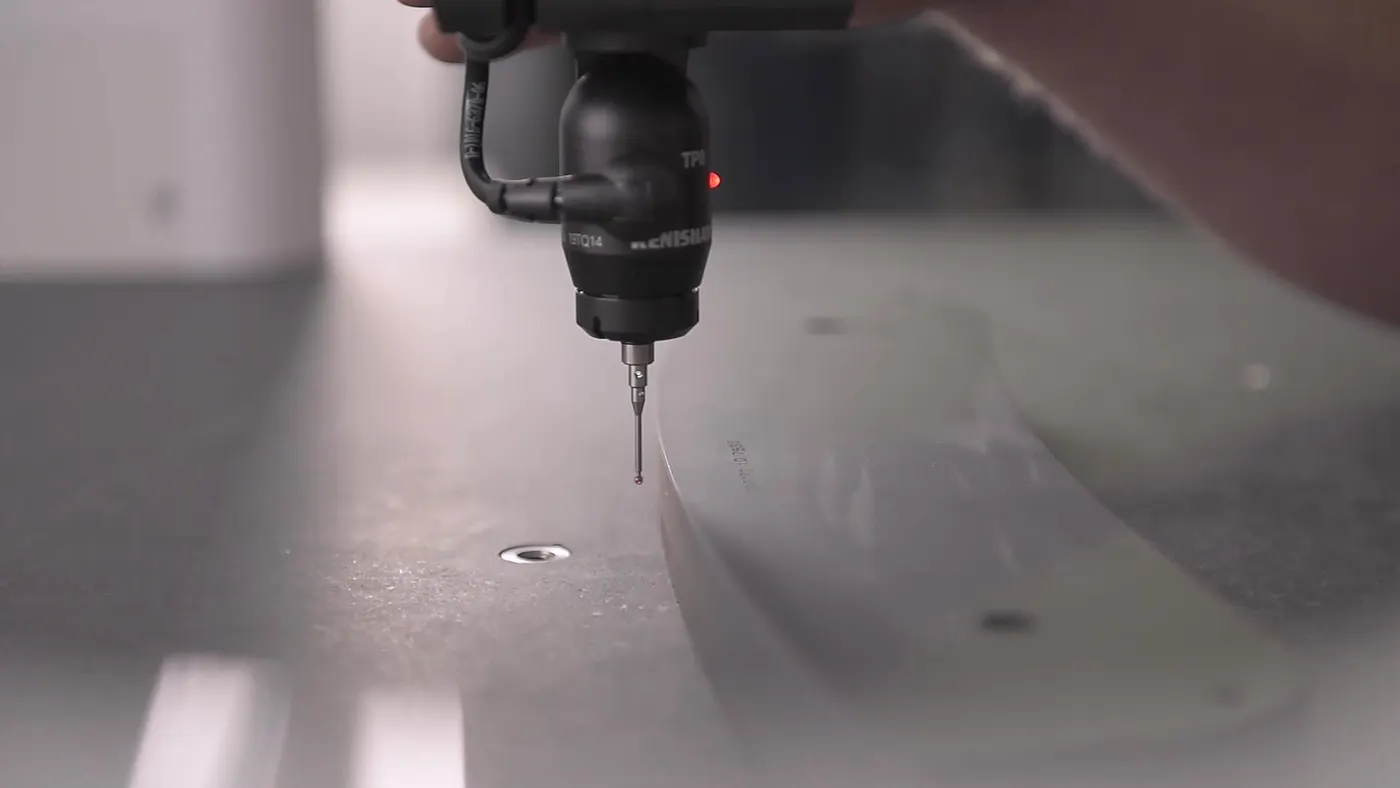
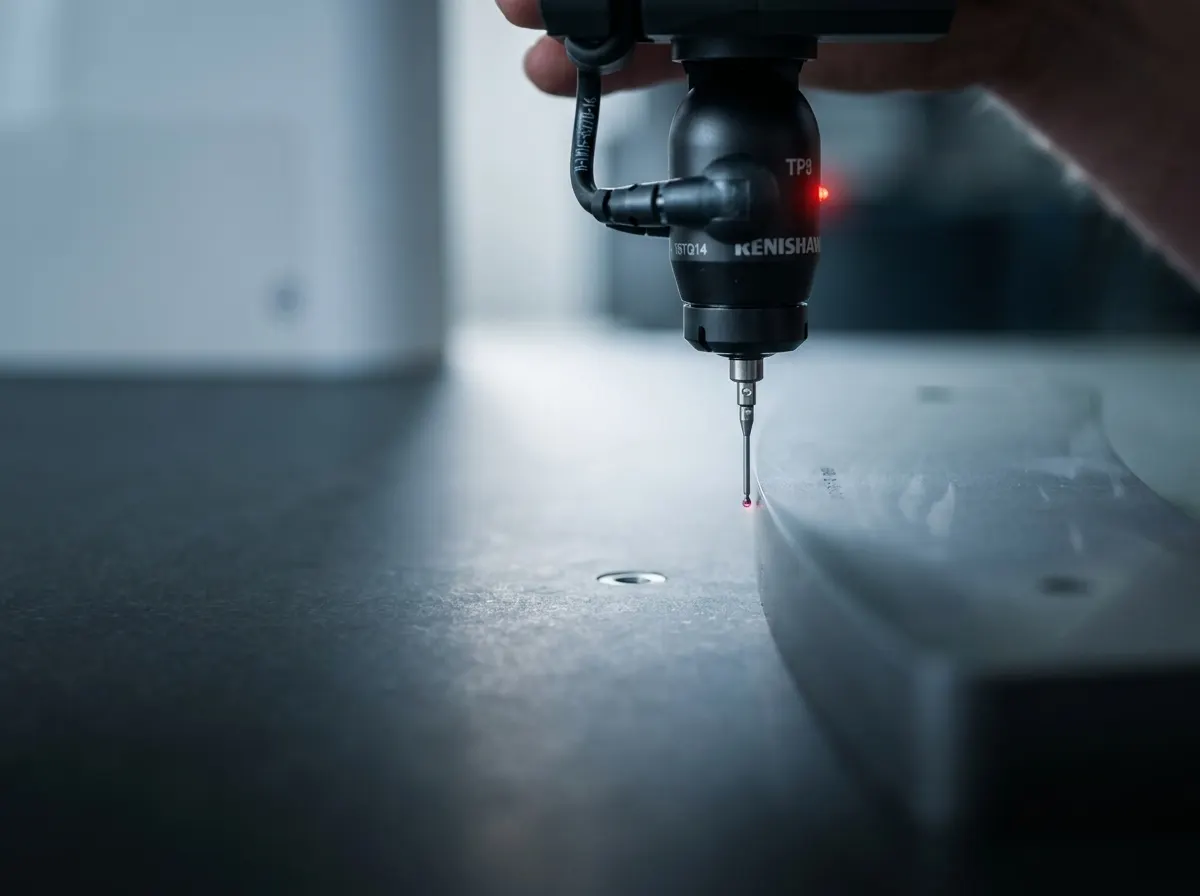
CMM inspection can verify relevant dimensions against the agreed drawing or component definition.
Shear testing
Where the friction material is bonded to a backing plate or associated component, shear testing can form part of the agreed development or production evidence.
In-process quality checks
Checks can be defined at relevant stages including:
- Machining
- Surface preparation
- Bonding
- Finishing
- Assembly
Final component inspection
Final checks can review:
- Visible condition
- Component configuration
- Bonded assembly
- Finish
- Assembly
- Identification
Evidence boundary
FTL's testing and inspection do not automatically prove complete system performance or provide final regulatory approval. The customer and FTL must define:
- Conditions
- Samples
- Methods
- Acceptance criteria
- Required records
- Final approval responsibilities
What this quality evidence helps customers do
The credentials and manufacturing controls help customers assess FTL's organisational systems and define the project-specific evidence required before supply begins.
- Confirm the current certification status and certified scope
- Support supplier pre-qualification
- Understand which quality-management systems apply
- Define material, component and revision requirements
- Agree testing and inspection responsibilities
- Establish batch or lot traceability
- Define the required production-document pack
- Clarify design, customer and regulatory approval boundaries
- Review supplier-assurance and cyber-security requirements
- Establish a controlled route from prototype into repeat manufacture
- Maintain component identification through storage and dispatch
Certifications support supplier assurance. They do not replace technical review, product validation or customer approval.
Quality evidence connected to a real component-continuity project
SDTS approached FTL after the original aircraft brake pad was no longer available. FTL redesigned the component using a material that met the stated aeronautical technical requirements and adapted the solution to SDTS's aeronautical environment. The work supported SDTS in certifying a modification applicable to its aircraft.
“The quality of the manufactured product is remarkable. Thanks to FTL, we can continue to fly, land, and brake safely.”
Olivier Moulin 
Customer logos




Proof points supported by the case
- Obsolete-component continuity
- Component redesign
- Replacement material route
- Aeronautical technical requirements
- Customer certification process
- Manufactured replacement component
- Direct technical and commercial collaboration
Quality requirements shaped by the individual industry and programme

Aerospace
AS9100 / EN9100, traceability, controlled documentation and clearly allocated validation responsibilities can form part of aerospace supplier qualification.
Aerospace Friction Materials & Components →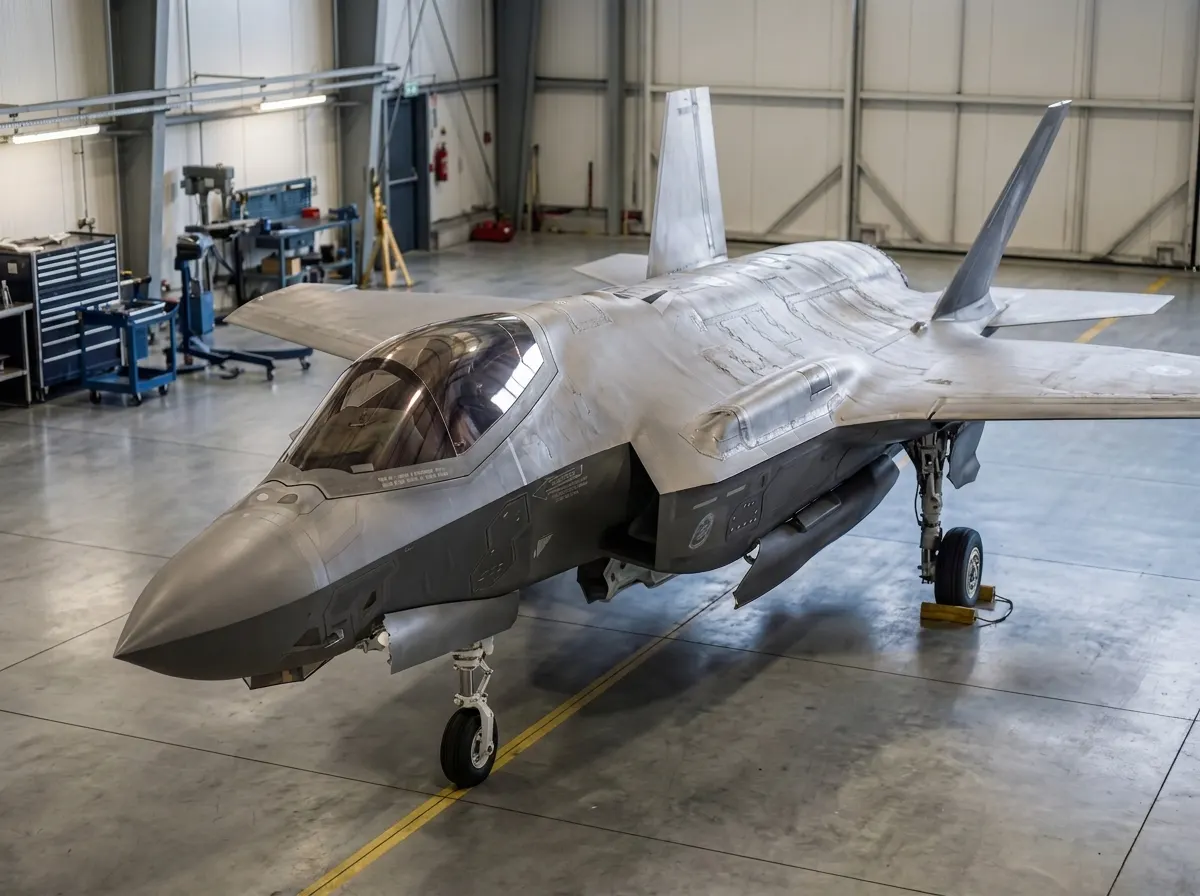
Defence
Defence programmes may require quality-management systems, JOSCAR registration, Cyber Essentials, information-handling controls, traceability and customer-specific supplier assurance.
Defence Friction Materials & Components →
Wind Energy
Wind programmes can require defined material and component revisions, testing and inspection, production repeatability, traceability and controlled supply. The relevant certificates and evidence depend on the customer and application.
Wind Turbine Friction Materials & Components →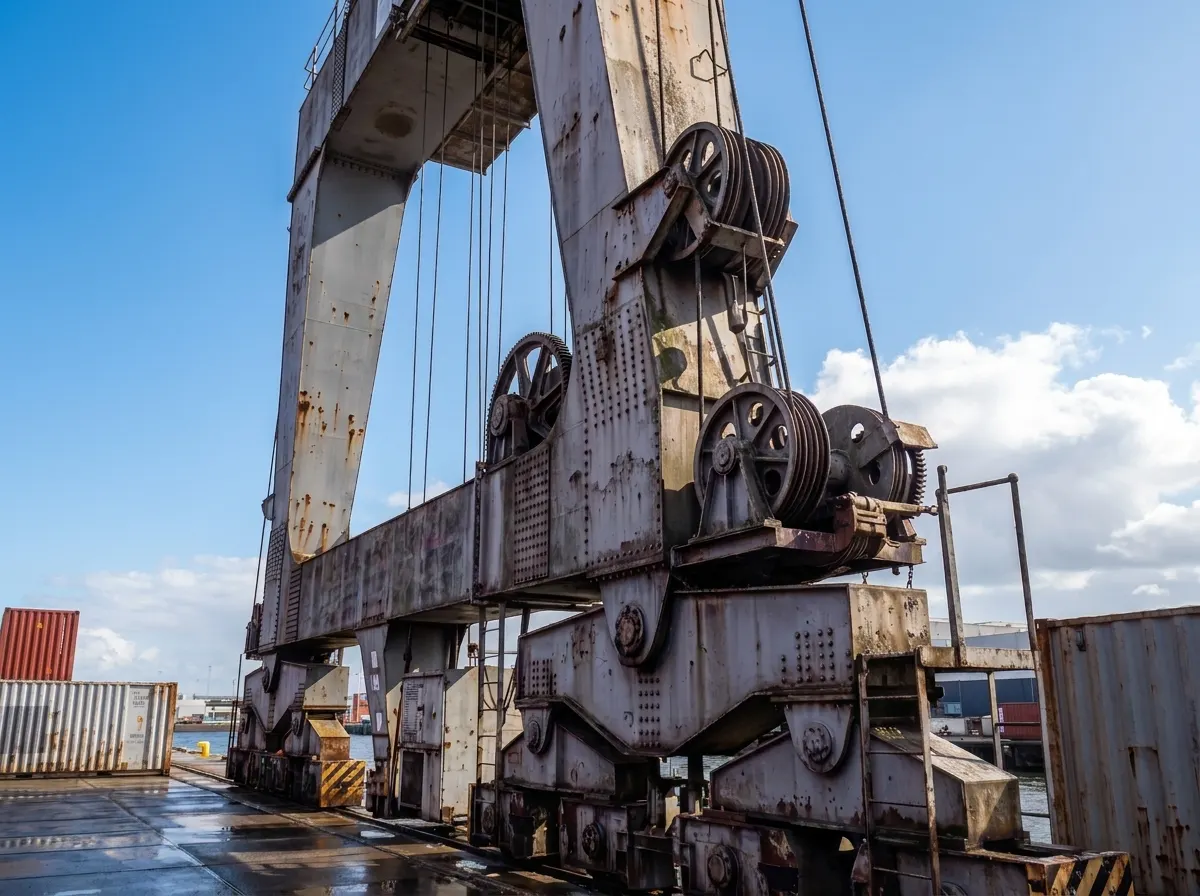
Industrial Equipment
Industrial programmes can use FTL's quality-management, inspection and traceability route for new, existing and obsolete components.
Industrial Friction Materials & Components →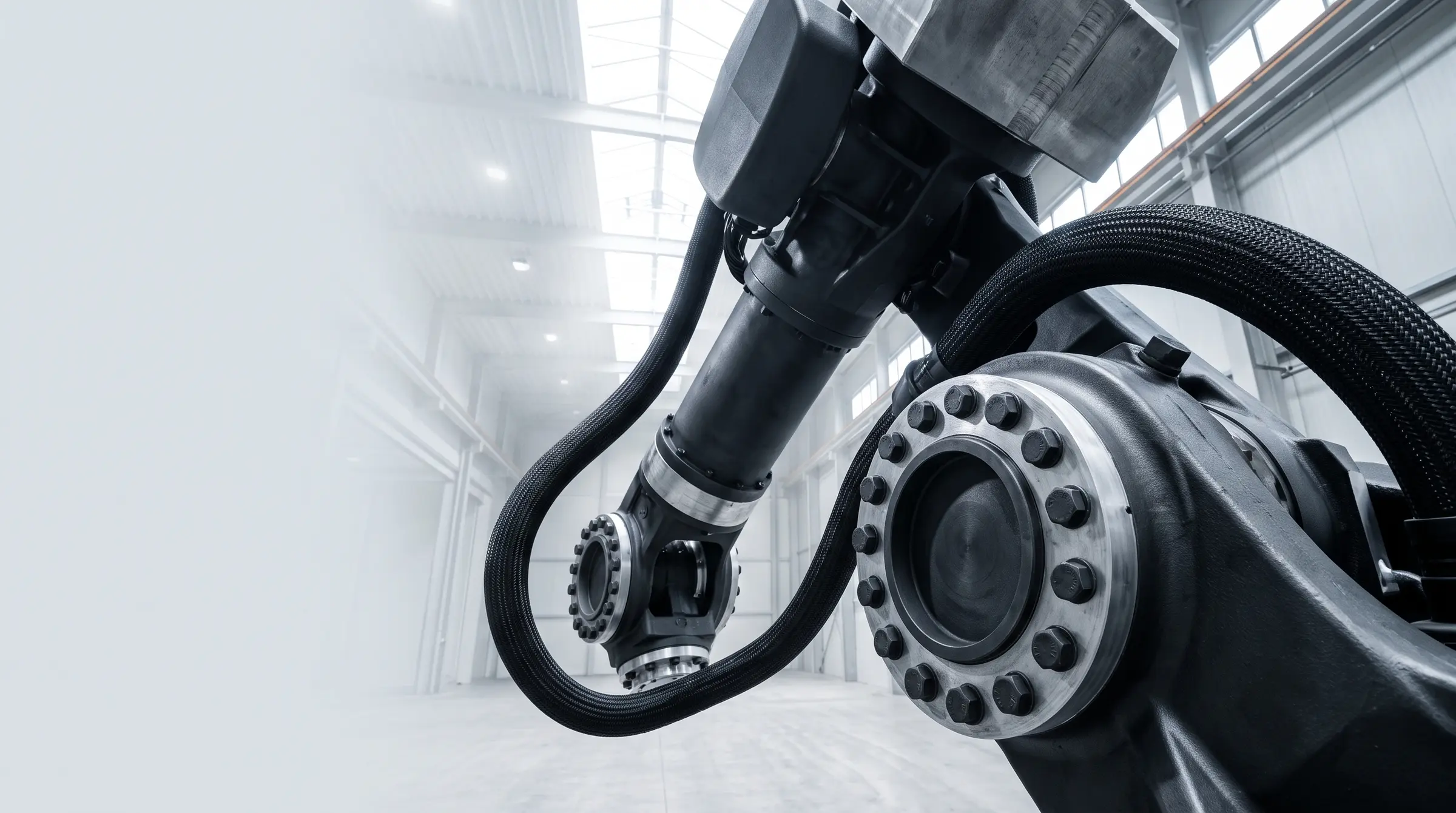
Robotics
Robotics programmes can require consistent holding torque, production repeatability, inspection evidence and traceable repeat supply across long build runs.
Robotics Friction Materials & Components →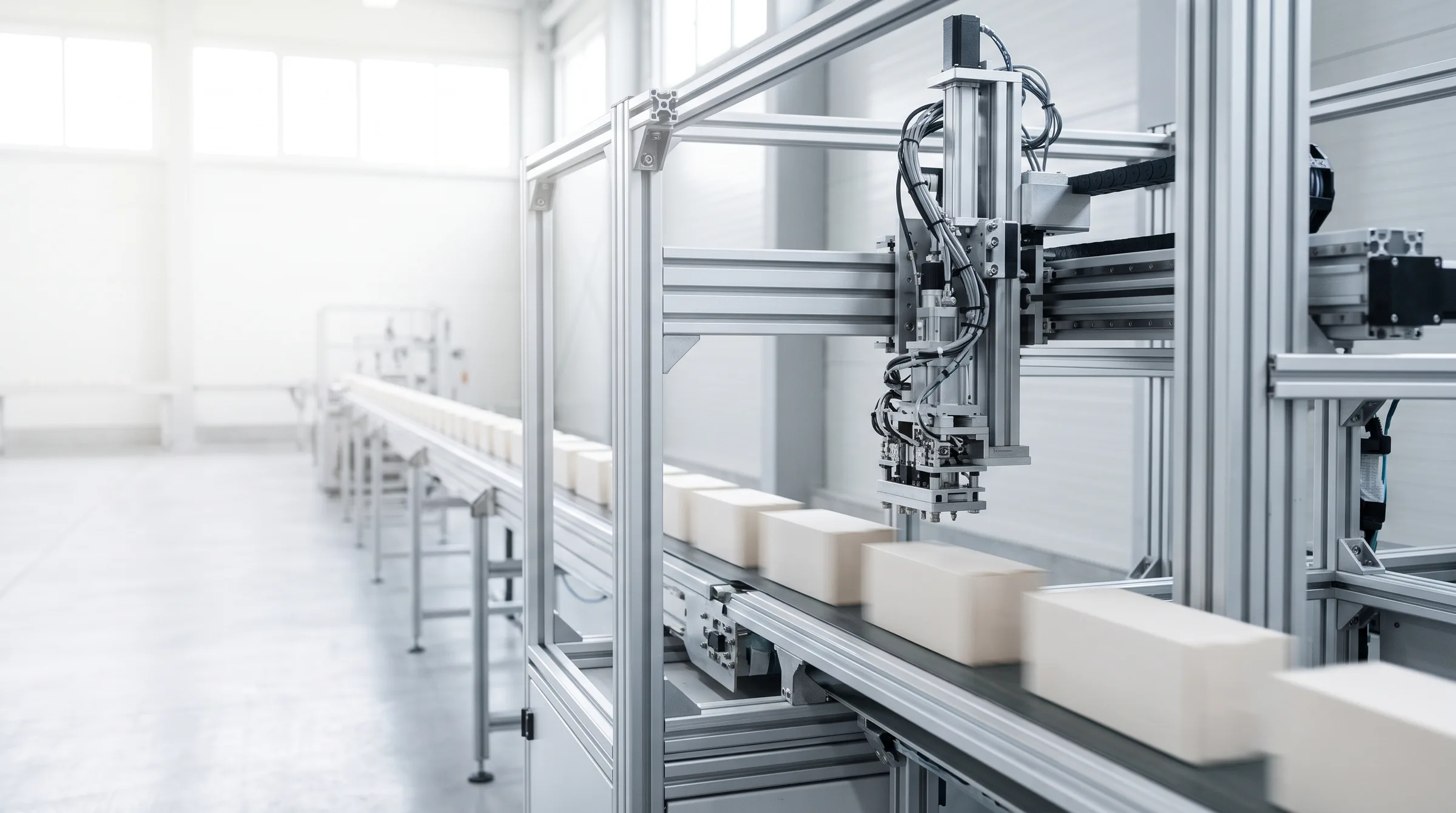
Industrial Automation
Automation programmes can require cycle-life evidence, production repeatability, inspection records and controlled call-off supply.
Automation Friction Materials & Components →Frequently asked questions about FTL's certifications and quality systems
Which certifications and registrations does FTL hold?
Is FTL AS9100 or EN9100 certified?
What is the difference between AS9100 and EN9100?
Can I verify FTL's aerospace certification?
Does AS9100 mean every FTL component is approved for aerospace use?
Does ISO 9001 certify the quality of an individual product?
Which edition of ISO 14001 is FTL certified to?
Does ISO 14001 mean every FTL product is environmentally friendly?
Does ISO 45001 certify product safety?
Is FTL JOSCAR certified?
Does JOSCAR registration mean FTL is automatically approved by every buyer?
Does FTL hold Cyber Essentials Plus?
Does FTL hold ISO/IEC 27001?
Does Cyber Essentials mean sensitive files can be uploaded through the website?
What traceability can FTL provide?
Can FTL provide certificates of conformity or inspection reports?
Does FTL provide First Article Inspection Reports or PPAP?
Is FTL's testing laboratory ISO/IEC 17025 accredited?
How does FTL support consistent quality and repeatability?
Can FTL guarantee consistent quality?
Can customers request FTL's Quality Policy?
Can customers request additional supplier-assurance information?
Can FTL support customers outside the UK?
Define the quality and evidence requirements before manufacture begins
Tell FTL what the application is, which standards or customer requirements apply and what evidence your team needs.
A short initial brief is enough.
The relevant technical, engineering and commercial team members can then review the certified scope, component route, testing, inspection, traceability and most appropriate next step.
Do not upload restricted technical information through the public form. FTL will confirm a secure file-transfer process where required.