A single-source friction material and component manufacturer
Founded in 2003 and based in Caernarfon, North Wales, Friction Technology Ltd develops and manufactures custom friction materials and complete brake and motion-control components.
Friction-material formulation, component engineering, machining, bonding, finishing, testing, inspection and repeat supply can be connected through one accountable FTL manufacturing route.
A trusted, accountable supplier since 2003
High-performance friction and braking solutions, backed by decades of in-house expertise and supplied to OEM and aftermarket customers worldwide.
Certification scope and applicability to an individual programme should be confirmed from the current certificates.
An engineering-led manufacturer, not a parts catalogue
FTL works as an extension of customer engineering and R&D teams.
The starting point is normally an application brief, an existing component, a performance requirement or a supply-continuity problem.
The objective is to establish an appropriate friction-material, complete-component and manufacturing route, not to select an item from a universal catalogue.
FTL develops friction materials. The technical route may use an established FTL formulation, an existing formulation requiring optimisation, or a newly developed material route.
Explore Friction Material Formulation →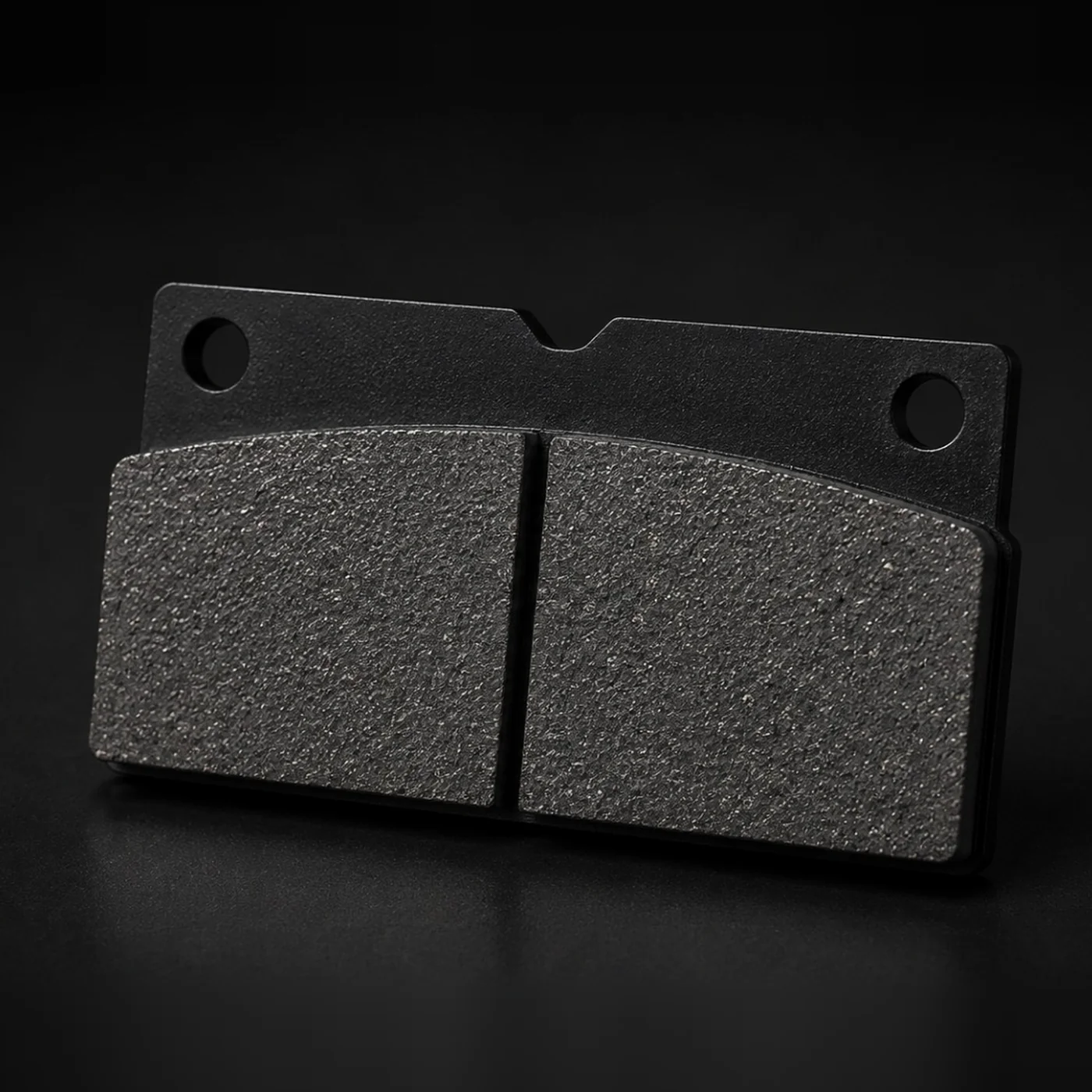
Organic friction materials
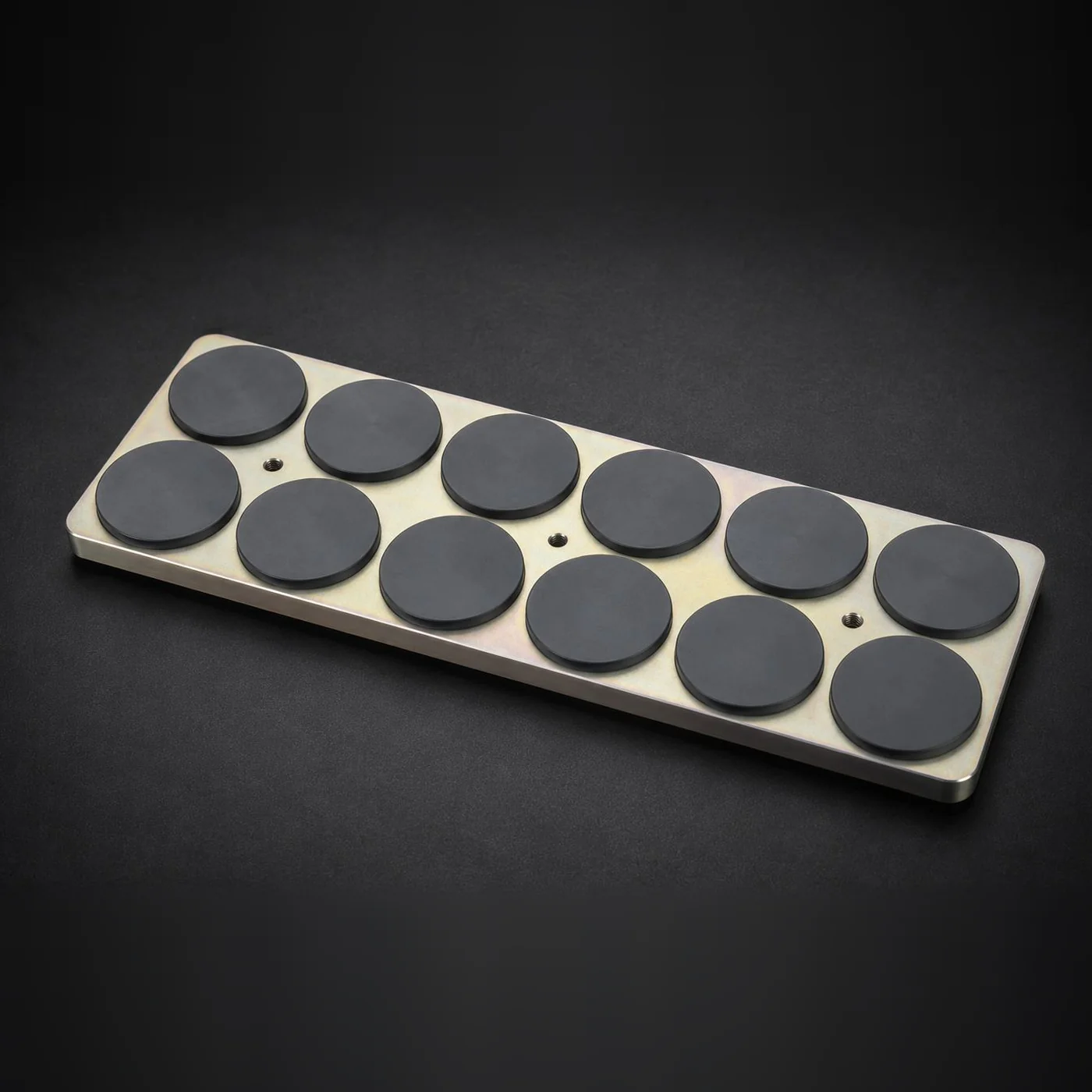
Composite friction materials
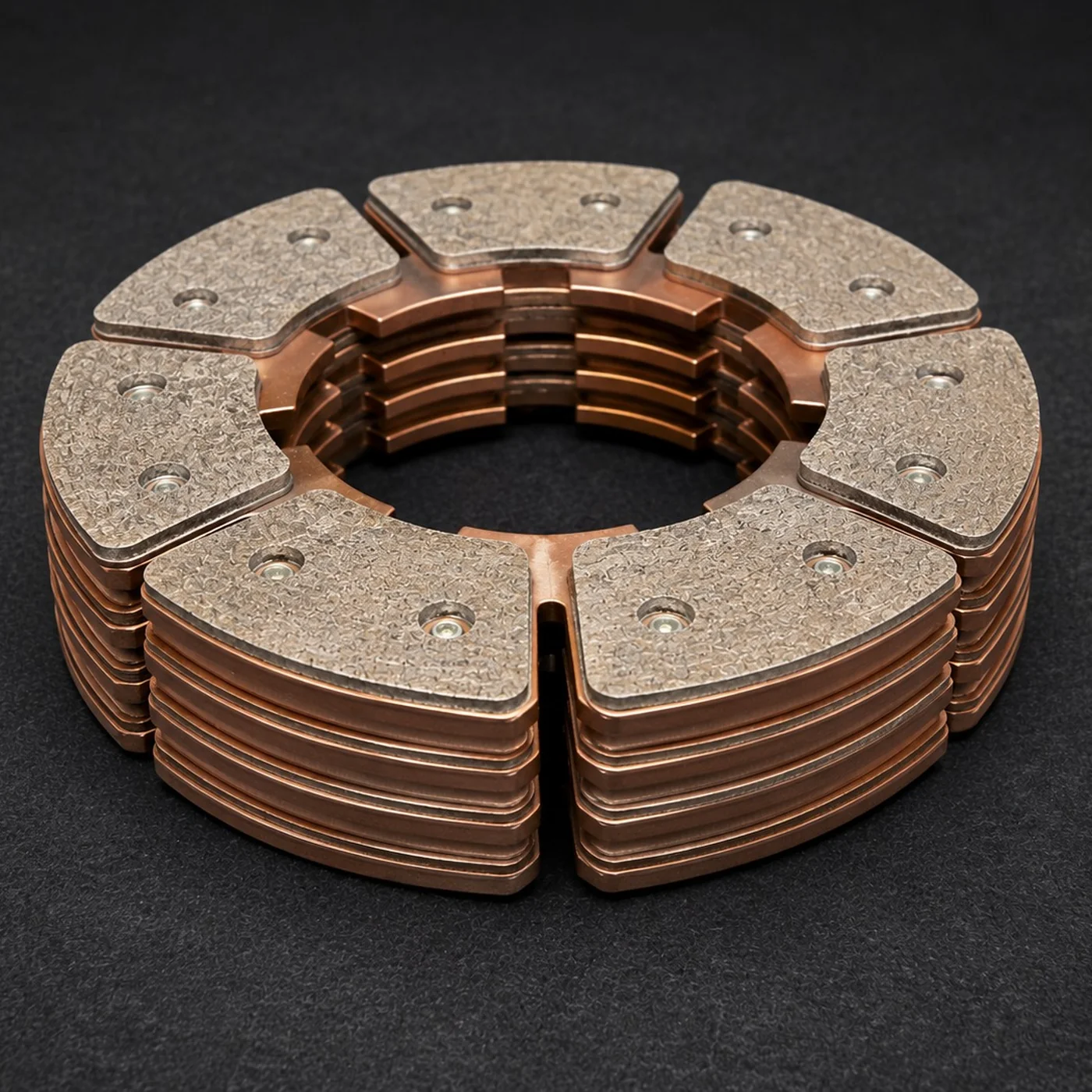
Sintered friction materials
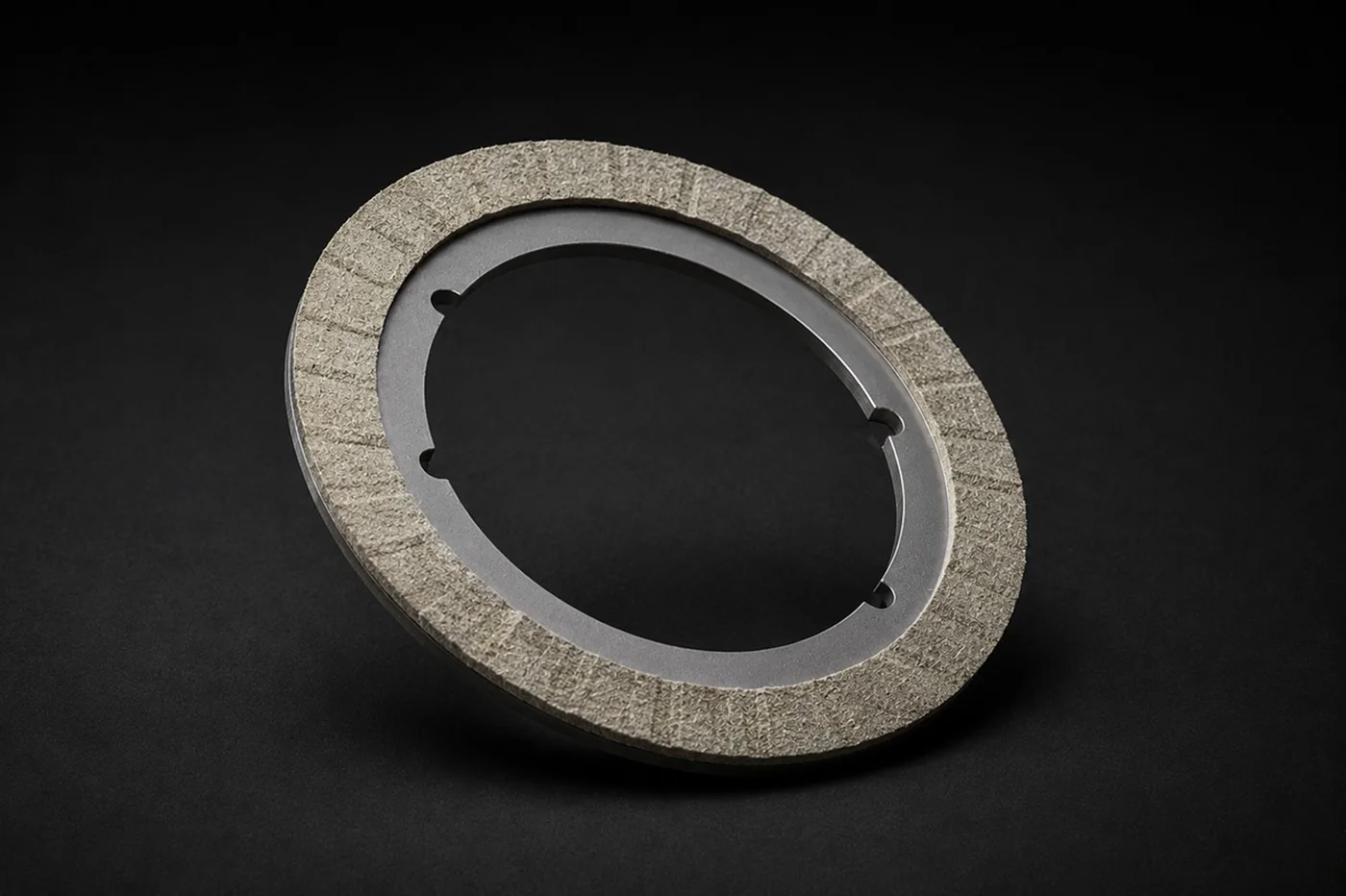
Kevlar friction materials
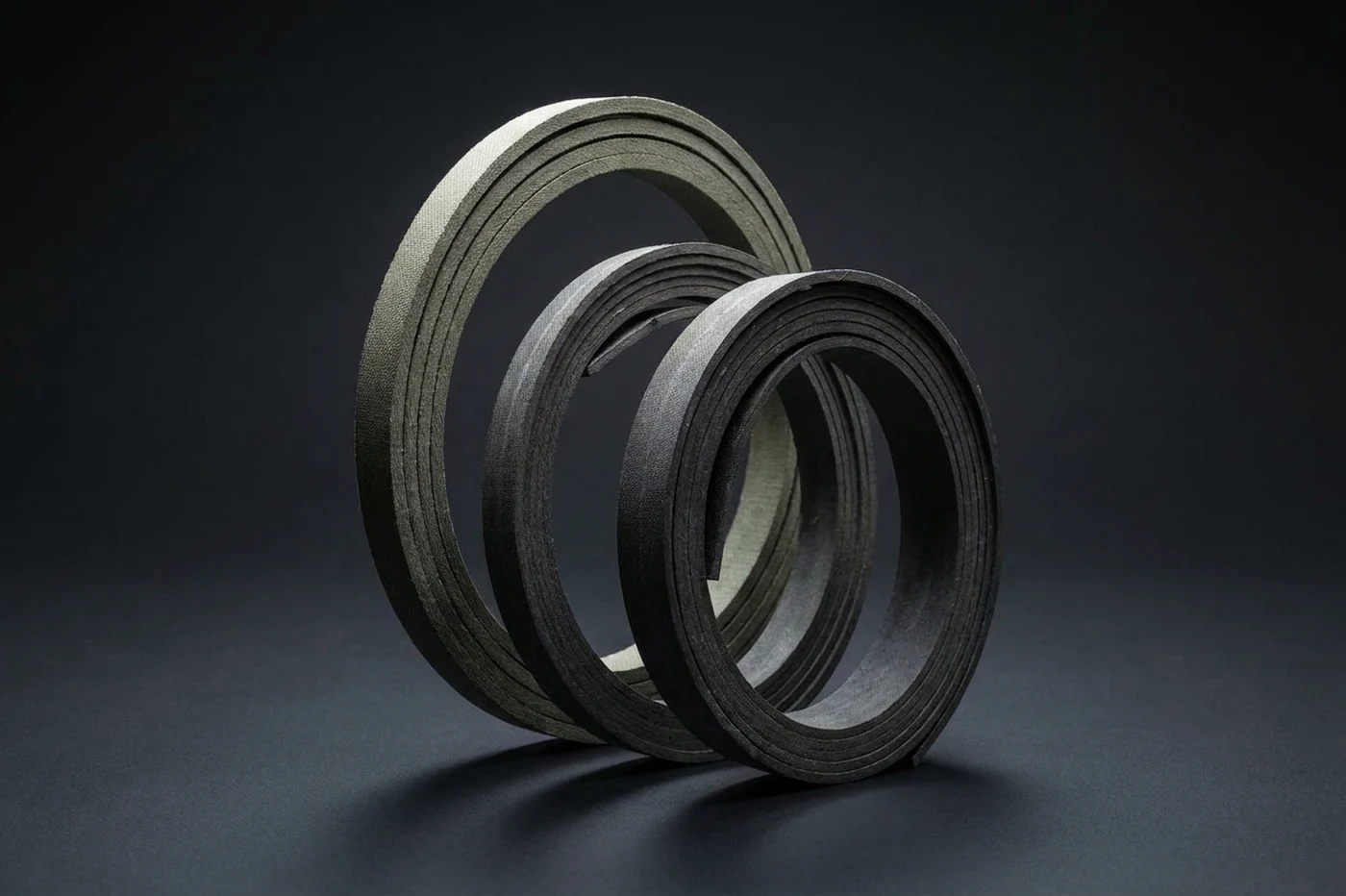
Woven friction materials
FTL manufactures complete components
Where the project fits FTL's capabilities, the route can include:
- Engineering and component development
- Friction-component machining
- Associated metallic components
- Bonding, surface preparation, finishing and assembly
- Testing, inspection and repeat supply
FTL supports programmes beyond the first prototype
Following the agreed engineering and approval route, FTL can support:
- Controlled repeat manufacture
- Production and inspection records
- Batch or lot traceability
- Secure finished-goods storage and scheduled call-off
- Customer-specific packaging and identification
- Export documentation and international shipping
FTL does not operate as an online parts retailer
Off-the-shelf and conventional part-number purchasing is not FTL's primary model.
One accountable route from friction material to finished component
A traditional route can divide responsibility between a material formulator, component machinist, backing-component supplier, bonder, finisher, test provider and inspector.
FTL can connect the relevant stages through one technical and commercial relationship for the agreed project scope.
The connected FTL route
- Application and requirements review
- Friction-material selection or formulation
- Engineering and component definition
- Friction and associated-component machining
- Surface preparation, bonding and finishing
- Testing and inspection
- Controlled production and traceability
- Storage, call-off and worldwide delivery
What this means for customers
- Fewer supplier handovers
- One primary technical route
- Clearer accountability when questions arise
- Material and component decisions considered together
- Continuity between prototypes and repeat manufacture
- Testing and inspection linked to the manufactured configuration
- Production records connected with the finished component
- A clearer route into scheduled supply
Actual project benefits depend on your existing supply chain and the scope awarded to FTL. Lead-time, cost and performance improvements are assessed against your programme rather than assumed.
Three ways engineering teams engage FTL
New Programme Support
For a new brake or motion-control application that needs to progress from its initial technical brief through:
- Material selection or development
- Component engineering
- Prototype manufacture
- Testing and inspection
- Validation support
- Controlled repeat production
Legacy & Obsolete Component Reverse Engineering
For an application that must remain operational after its original material, drawing, supplier or complete component becomes unavailable.
Friction System Performance Optimisation
For an existing system associated with:
- Inconsistent braking
- Excessive or unpredictable wear
- Thermal-performance concerns
- Variation between components or batches
Engineering and manufacturing capabilities connected under one roof
The relevant capabilities are selected around the application. Not every programme requires every stage.
Friction Material Formulation
Selection, development and optimisation of friction materials around the required function and operating environment.
Explore Friction Material Formulation →Engineering & Design
SolidWorks design support for new components, existing designs and legacy-component redevelopment.
Explore Engineering & Design →CNC Machining
CNC machining of friction and associated metallic components for prototypes and repeat production.
Explore CNC Machining →Bonding & Finishing
Surface preparation, controlled bonding, UV curing where applicable, coating, paint finishing and assembly.
Explore Bonding & Finishing →Testing & Inspection
Dynamic and material testing, CMM inspection, shear testing, production checks and traceability.
Explore Testing & Inspection →Precision Gasketing
Automated liquid gasket dispensing, forming seals in place on the customer's component.
Explore Precision Gasketing →Supporting demanding applications across six strategic sectors
FTL is not an aerospace- and defence-only business.
Its engineering and manufacturing model also supports wind-energy, industrial-equipment, robotics and industrial-automation applications. Material, component, documentation and approval requirements are determined by the individual project.
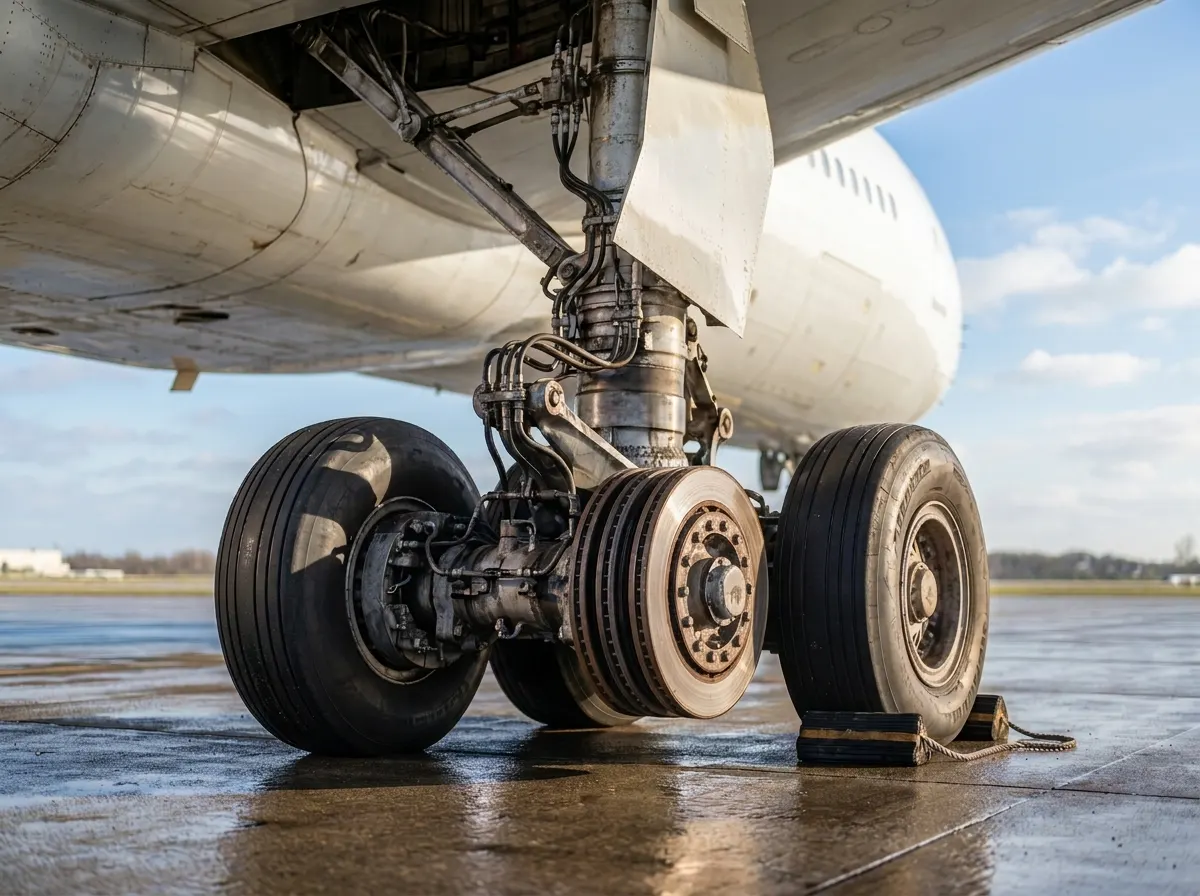
Aerospace
Custom friction materials and components for braking, locking, actuation and motion-control applications.
Aerospace →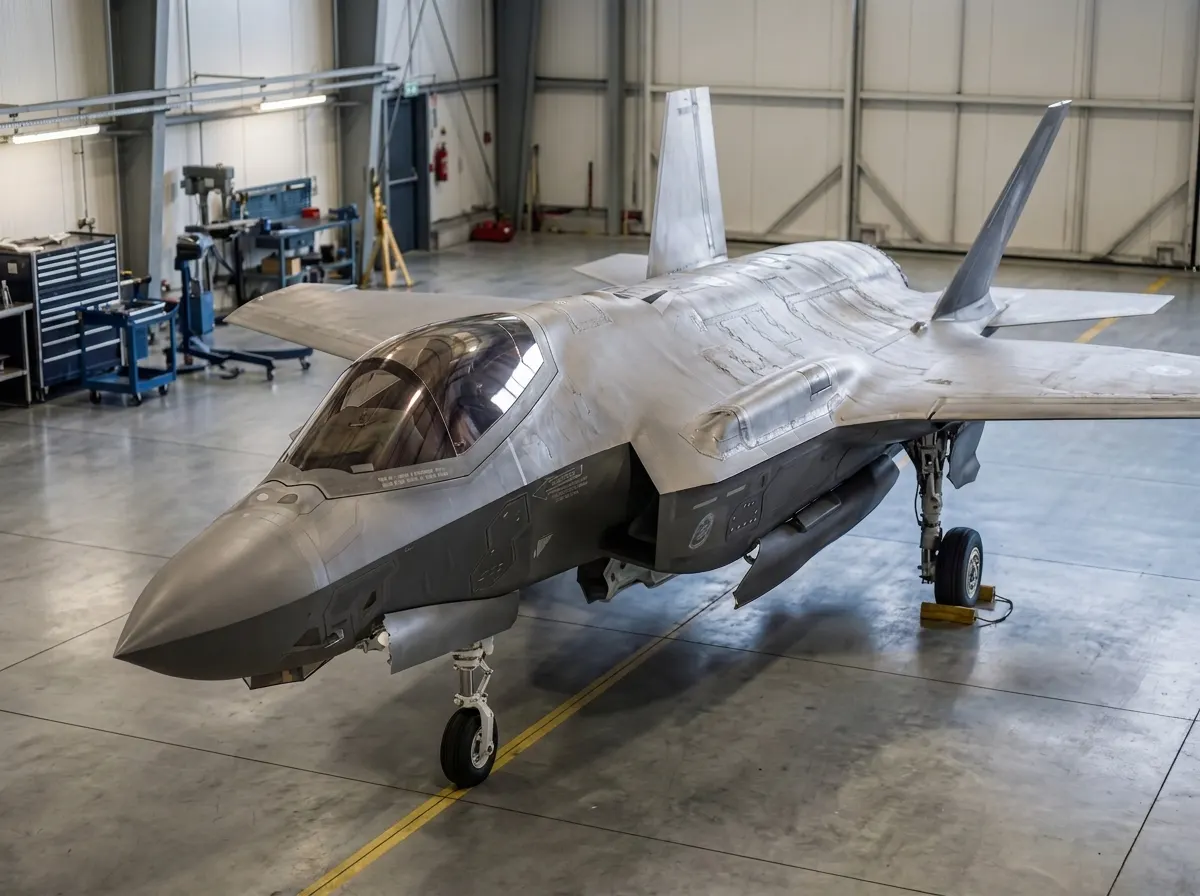
Defence
Engineering and manufacturing support where supplier assurance, traceability, documentation and continuity matter.
Defence →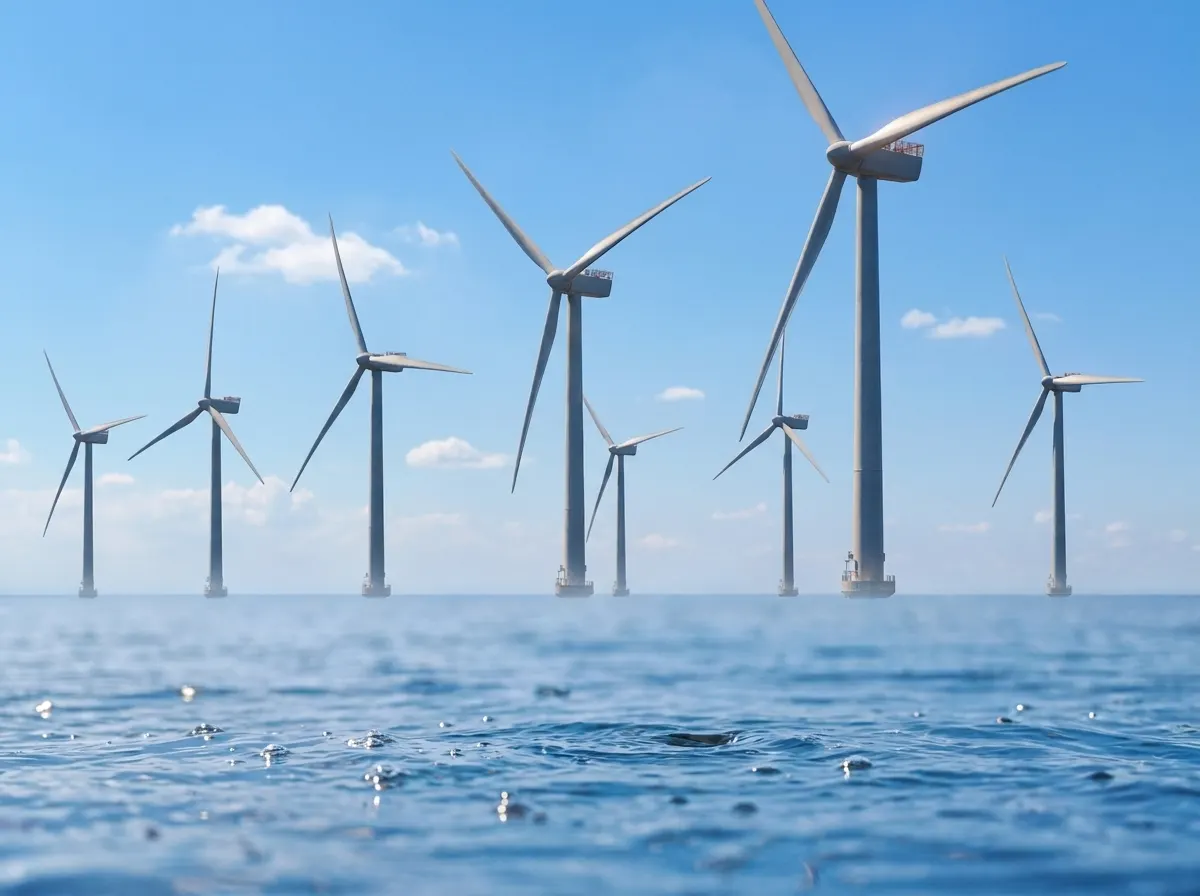
Wind Energy
Material and component support for yaw-brake requirements, obsolete-component continuity and performance review.
Wind Energy →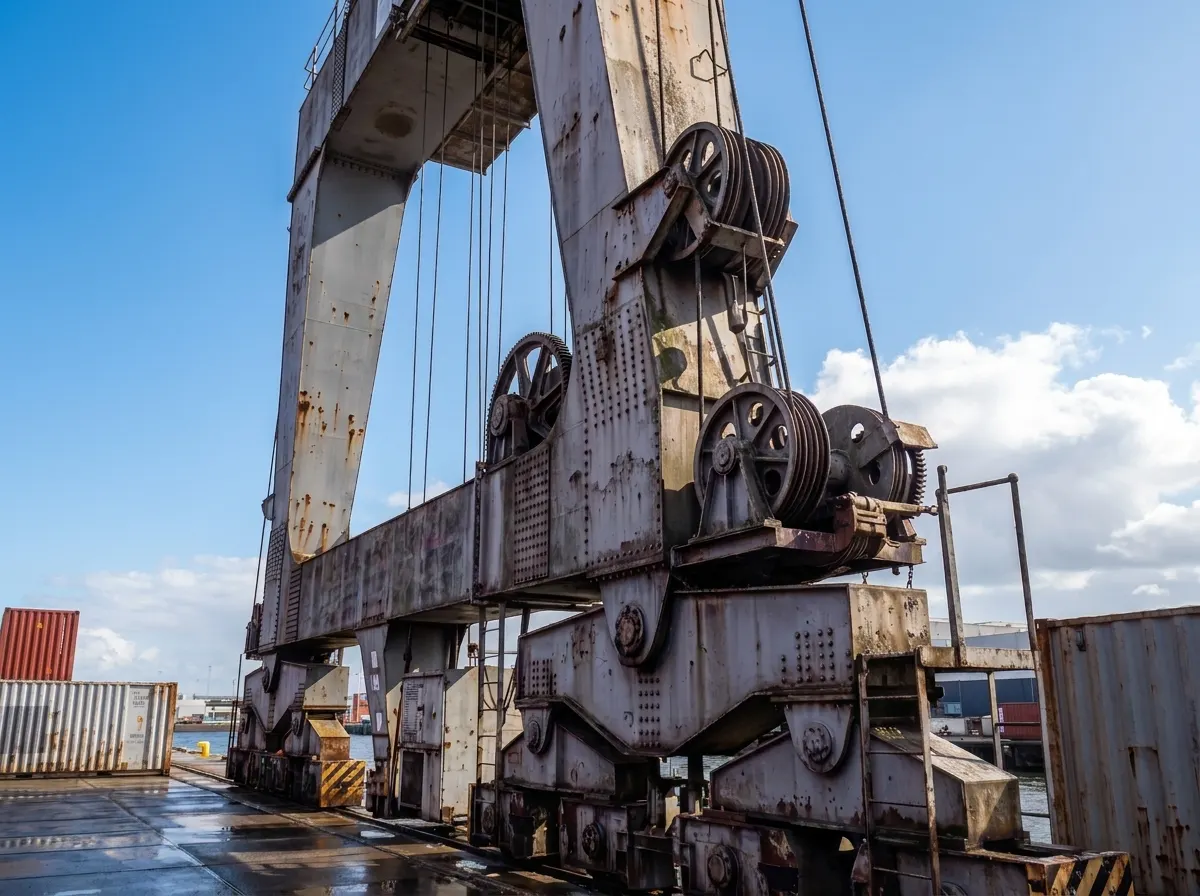
Industrial Equipment
Custom friction components for industrial braking, crane, motor, safety-equipment and motion-control applications.
Industrial Equipment →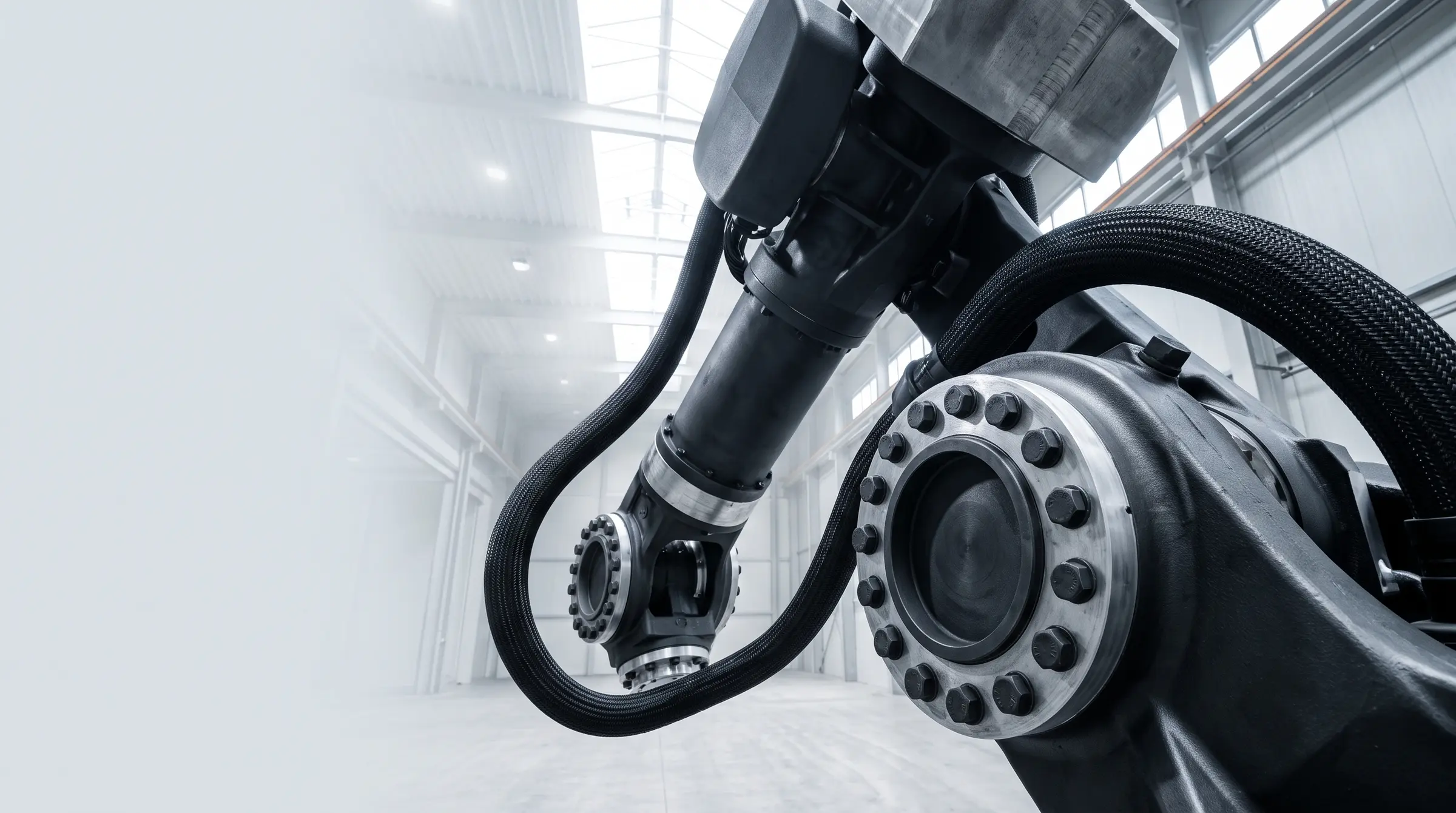
Robotics
Holding, braking and controlled-motion components for industrial robots, collaborative robots, robotic joints and robotic arms.
Robotics →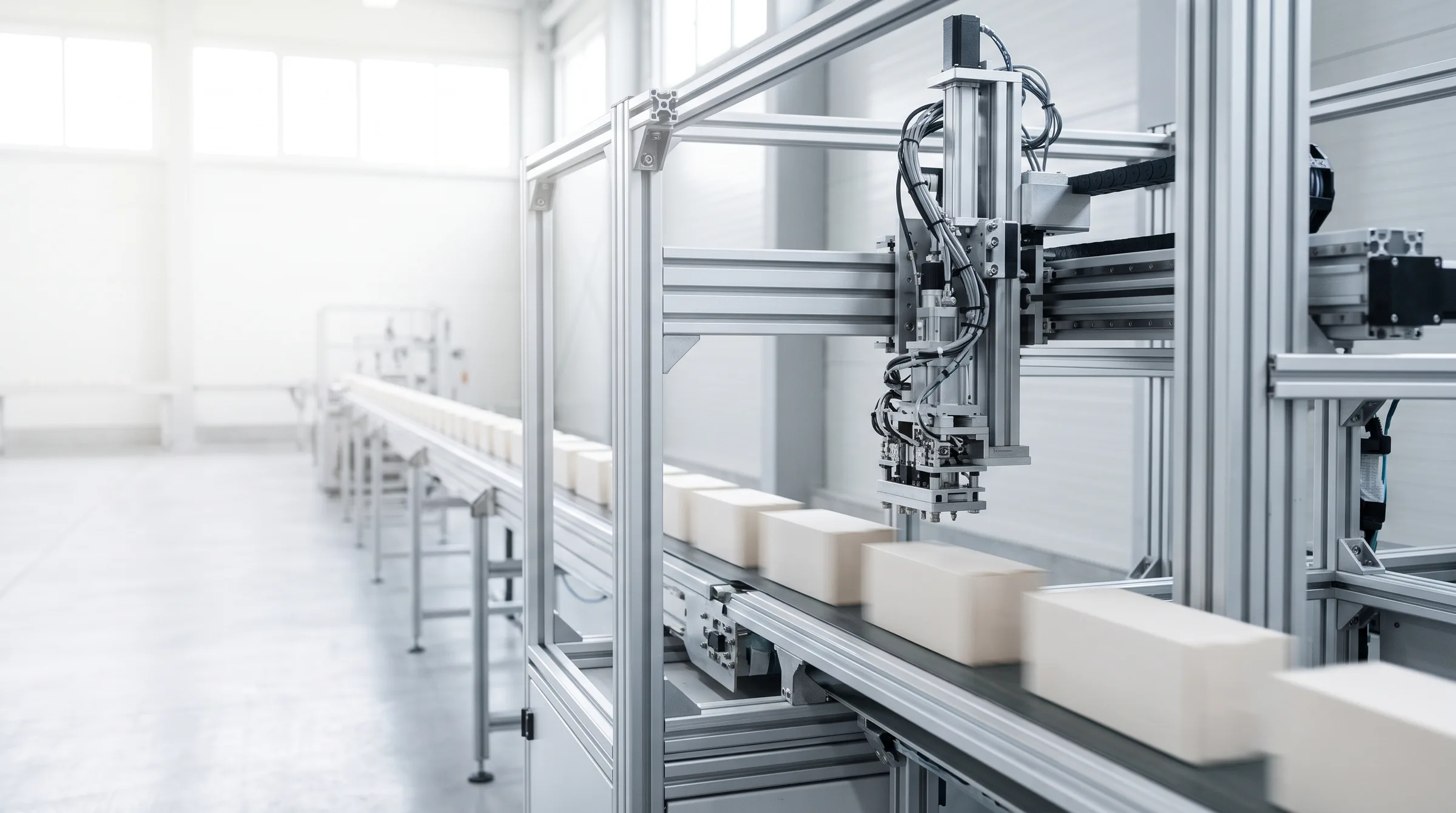
Industrial Automation
Servo motor brakes, electromagnetic brakes and high-cycle clutches for packaging machinery, production lines and handling equipment.
Industrial Automation →Part of n Industries Group, while remaining engineering-led
FTL became part of n Industries Group in February 2025.
n Industries invests in specialist UK industrial companies and operates through a decentralised model. FTL retains its own identity and day-to-day operating focus while benefiting from the group relationship and its support for long-term growth.
What remains central to FTL
- Direct technical engagement
- In-house friction-material expertise
- Connected component manufacture
- Application-led engineering decisions
- Customer programme continuity
- A North Wales manufacturing base
n Industries does not manufacture FTL products or hold technical responsibility for a project. Engineering and manufacturing activity remains with the applicable FTL team and the agreed project scope.
Direct access to the people behind the manufacturing route
Qualified enquiries are not left inside a general sales queue.
The relevant commercial, technical and engineering people are brought into the conversation after the initial application brief is reviewed.
Jack Boyle, Managing Director
Jack leads FTL and is involved in the commercial and technical route for qualified customer programmes.
William Niaing Oo, Business Development
William supports initial customer conversations and the route between an engineering requirement and FTL's internal technical capability.
sales@frictiontechnology.co.uk →Engineering and manufacturing team
The wider FTL team supports:
- Friction-material development
- Component engineering
- Production planning
- Machining
- Bonding and finishing
- Testing and inspection
- Quality and traceability
- Warehousing and supply
A short first enquiry, followed by a direct technical conversation
Share a concise application brief
- Name
- Company
- Phone
- Optional drawing or spec
- Short description of the requirement
Receive an automatic acknowledgement
- Holding email confirms the enquiry has reached FTL
Bring the relevant people into the conversation
- Technical Director, engineers, MD and the appropriate commercial contact, based on the requirement
Establish technical fit
- Application
- New, existing or obsolete
- Operating environment
- Available drawings or specs
- Required behaviour
- Documentation and approval needs
Define the appropriate next step
- New Programme Support
- Reverse Engineering
- Performance Optimisation
- A specific material or component route
- A defined manufacturing capability
Detailed duty cycles, coefficient requirements, annual volumes and certification scope are gathered in conversation rather than through a long mandatory web form.
How FTL approaches an engineering programme
Start with the application
The technical route begins with what the component needs to do and where it must operate.
Keep the material and component connected
The friction material is considered alongside geometry, interfaces, bonding, finishing, testing and production.
Make responsibility explicit
- FTL's engineering and manufacturing scope
- Customer design authority
- Testing responsibilities
- Validation responsibilities
- Approval boundaries
Use evidence before making performance claims
Material or component recommendations depend on the available information, agreed testing and application requirements.
Design for repeat manufacture
- Controlled material and component revisions
- Manufacturing processes
- Inspection and traceability
- Change control
- Repeat supply
Maintain direct communication
Technical, engineering and commercial questions remain connected rather than passing through a disconnected series of suppliers.
Quality systems supporting demanding and regulated programmes
Available quality and production controls can include
- Controlled material and component references
- CMM dimensional inspection
- Dynamic and material testing
- Coefficient-stability assessment
- Wear-rate assessment
- Thermal-performance assessment
- Shear testing
- In-process checks
- Final visual and assembly inspection
- Production documentation
- Batch and lot traceability
FTL's stated standards and registrations include:
Management-system certification does not automatically approve an individual component or complete system. The applicable testing, documentation and customer-approval route must be agreed for each programme.
Manufactured in North Wales and supplied worldwide
FTL is based in Caernarfon, North Wales.
From this manufacturing base, the company supports customers worldwide and states that 84% of its output is exported.
Head office and production: Unit 11, Zone 5, Cibyn Industrial Estate, Caernarfon LL55 2BD, North Wales, UK
Phone: +44 (0)1286 875 197
Supply support can include
- Controlled repeat manufacture
- Secure finished-goods storage
- Scheduled call-off
- Customer-specific packaging
- Customer labels and barcodes
- Export documentation
- International shipping
Proof through real engineering and programme outcomes
“The quality of the manufactured product is remarkable. Thanks to FTL, we can continue to fly, land, and brake safely.”
Olivier Moulin 
Customer logos



Obsolete aircraft brake-pad redevelopment for SDTS
SDTS approached FTL after the original aircraft brake pad was no longer available.
FTL redesigned the pad using a material meeting the stated aeronautical technical requirements and manufactured the replacement component, supporting SDTS's route to a certified aircraft modification.
Read the SDTS Case Study →Is FTL the right manufacturing partner for your requirement?
FTL is a strong fit when
- Your team has an engineering brief rather than a catalogue request
- A new programme needs a friction-material and component route
- An existing system has braking, wear or thermal concerns
- An original material, component, drawing or supplier is obsolete
- The friction material and complete component must be considered together
- Prototype work may need to progress into repeat manufacture
- Testing, inspection, documentation or traceability matter
- You want fewer suppliers across the connected route
- The finished components require scheduled or worldwide supply
FTL must confirm fit when
- A process outside its confirmed capability is required
- A named test method or accreditation is mandatory
- Customer-supplied materials or components will be used
- A specific manufacturing capacity or lead time is essential
- Restricted technical information must be exchanged
- A customer-specific certification or document pack applies
A different route may be more appropriate when
- You need an off-the-shelf item immediately
- You are purchasing solely by part number
- You need an online product catalogue
- Price is the only selection criterion
- No engineering or manufacturing review is required
- You are seeking a consumer or conventional replacement product
Frequently asked questions about Friction Technology Ltd
What does FTL stand for?
What does FTL manufacture?
Where is FTL based?
When was FTL founded?
Who owns FTL?
Who should contact FTL?
Which industries does FTL support?
Does FTL only supply aerospace and defence?
Is FTL a friction-material distributor?
Does FTL sell standard parts by part number?
Can FTL develop a completely new friction material?
Can FTL manufacture the complete component?
Can FTL support an obsolete component?
Can FTL investigate an underperforming friction system?
What certifications does FTL hold?
Does FTL supply outside the UK?
What happens after I contact FTL?
What information should I provide?
When are pricing and annual volumes discussed?
Bring FTL the application, component or engineering problem
Tell FTL what the component needs to do, what information your team currently has and what has prompted the enquiry.
A short initial brief is enough.
The relevant technical, engineering and commercial team members can then review the application and establish the most appropriate material, component and manufacturing route.
Optional drawing or specification upload available.