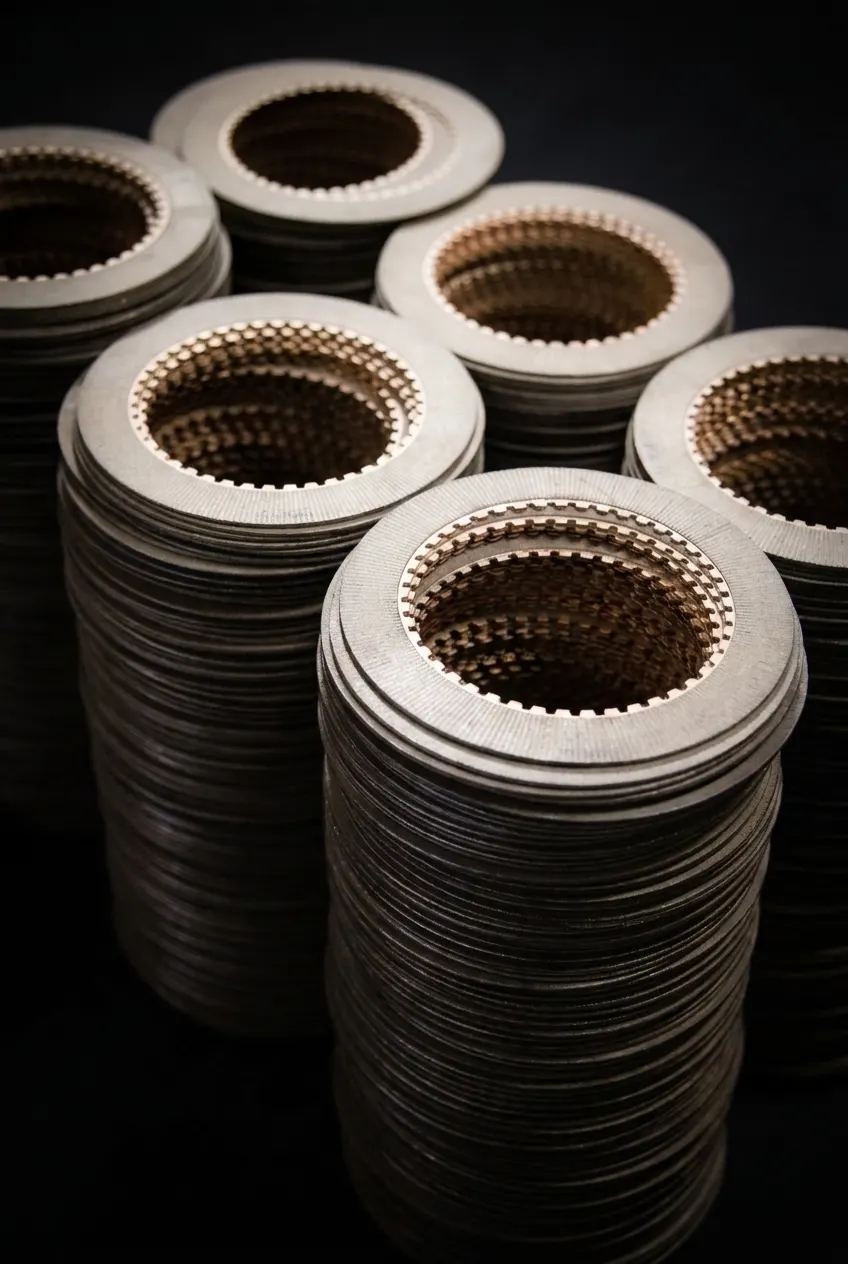
Reverse engineering for obsolete friction materials and brake components
When an original friction material, component, drawing or supplier is no longer available, the problem is not simply finding another part.
Your engineering team needs a replacement route that can be understood, manufactured consistently, tested and approved where required.
When an obsolete component becomes a programme-continuity risk
Reverse engineering is the appropriate route when the application must remain operational but the original supply route can no longer support it.
The original supplier has stopped manufacturing the component
The equipment or programme remains in service, but the original manufacturer or approved source no longer provides the required friction component.
The original friction material is discontinued or unavailable
The component geometry may still be known, but the original material or formulation can no longer be sourced.
The drawing or technical specification is incomplete
A physical component or partial information exists, but the original drawing pack, material definition or production documentation is missing.
A legacy system must remain operational
Replacing the complete system is not the preferred route, and continuity depends on establishing a controlled source for the critical friction component.
The current supply route is no longer dependable
Lead time, availability or supplier changes have created a risk to maintenance, production or programme continuity.
A replacement must follow an agreed revalidation route
The organisation needs more than an unverified substitute. The replacement material or component must be assessed against the application's current technical and approval requirements.
Developing a completely new application?
Existing component still available but underperforming?
Restore continuity through an evidence-led replacement route
FTL reviews the application and available component information, redevelops the friction material or complete component, manufactures prototypes, supports the agreed revalidation route and progresses the approved solution into controlled repeat supply.
Reverse engineering should not depend on unsupported assumptions about an original component. The objective is to establish:
- What the component must do in the current application
- What can be confirmed from the existing component and available records
- What material and manufacturing route should be assessed
- What must be tested or inspected
- What evidence is required before repeat supply can begin
- A clearer definition of the application and operating environment
- A replacement friction-material route based on the current requirement
- Redeveloped component geometry where original design information is unavailable
- A prototype and inspection route
- Agreed testing and revalidation responsibilities
- A controlled manufacturing flow for repeat production
- Batch, lot and production-document traceability
- Reduced reliance on a fragmented group of specialist suppliers
- Scheduled call-off and lifecycle supply where agreed
- Continued access to a component required by a legacy programme or system
Useful starting information, even when the original technical pack is incomplete
Begin with what is available. FTL can establish the additional information required after the first technical discussion.
Existing component information
Useful starting material can include:
- An existing component or assembly
- An available drawing
- A partial drawing
- A specification
- Existing performance requirements
- Previous production or inspection information, where available
Application information
FTL will need to understand:
- What the application is
- What function the component performs
- Whether the system is currently operating
- Why a replacement source is required
- Whether there are known performance concerns
- What equipment or assembly the component interfaces with
Operating environment
Relevant information can include:
- Temperature
- Load
- Speed
- Contamination
- Available installation space
- Required braking, holding or motion-control behaviour
Approval and supply requirements
Where known, share:
- Applicable documentation requirements
- Applicable certification or customer-approval requirements
- The immediate continuity concern
- The point at which a replacement component is required
- Existing call-off or production arrangements
Expected annual volumes and the detailed commercial scope can be discussed after the application and technical fit have been established.
A drawing is helpful but is not mandatory for the first conversation.
What a reverse-engineering engagement can include
The exact scope depends on the evidence available and the application's technical and approval requirements.
The aim is to establish a suitable and testable replacement route, not to assume that an unavailable original formulation can be reproduced without supporting evidence.
A typical engagement draws on a connected sequence: application and evidence review, component and dimensional assessment, replacement friction-material route, engineering and component redevelopment, prototype and complete-component manufacture, testing and inspection, revalidation and approval support, then repeat and lifecycle supply.
Revalidation and approval responsibilities are defined per project: what FTL manufactures and tests, what evidence FTL provides, what system-level testing the customer or an appointed authority completes, and who holds final design, system or regulatory approval.
A controlled path from obsolete component to repeat supply
The precise sequence varies by application, but each stage should produce enough evidence to support the next engineering decision.
Establish the continuity problem and technical fit
- What is no longer available
- Why the component is still required
- What information currently exists
- Immediate supply or programme risk
- Whether it suits FTL's capabilities
Gather the available evidence
- An existing component
- Drawings or partial drawings
- Specifications
- Performance requirements
- Operating-condition information
- Existing production or inspection records
Define the current application requirements
- Required function
- Geometry and interfaces
- Temperature, load, speed, contamination
- Required friction behaviour
- Wear and thermal considerations
- Documentation or certification requirements
Establish the component and material route
- Review available geometry
- Assess established, optimised or newly developed material
- Consider machining, bonding, finishing, assembly and inspection alongside the material
Agree the prototype and test plan
- What will be manufactured
- Which features or dimensions will be inspected
- Which material or dynamic tests will be completed
- What evidence is needed for the next decision
- FTL vs customer responsibilities
Manufacture and inspect the prototype components
- Relevant machining, bonding, finishing, assembly and inspection stages
Test, review and refine
- Complete agreed tests and inspections
- Review findings against defined requirements
- Revise material, geometry or route where evidence indicates
Support revalidation or modification approval
- FTL provides technical, test, inspection and manufacturing information in scope
- Customer or appointed authority completes system, operational or regulatory approval
Transfer into controlled repeat manufacture
- Repeat production controls
- Inspection requirements
- Traceability
- Inventory holding and call-off schedules
- Packaging, labelling, international delivery
Reverse engineering has four separate questions to answer
Reproducing the visible shape of a component is only one part of establishing a replacement solution.
What must fit?
The replacement component must interface correctly with the existing assembly. Relevant considerations can include:
- Component geometry
- Mounting features
- Available installation space
- Mating surfaces
- Dimensional tolerances
- Bonded or assembled interfaces
What must be demonstrated?
The project must define which dimensions, material characteristics or component behaviours require inspection or testing before the replacement route can progress. Relevant evidence may include:
- Dimensional inspection
- Material-test results
- Dynamic-test results
- Wear or thermal assessment
- Bond-strength testing
- Production and traceability records
What must the friction material do?
The replacement material must be reviewed against the application's required behaviour and operating environment. Relevant considerations can include:
- Friction consistency
- Wear
- Thermal performance
- Load
- Speed
- Contamination
- Bonding and component construction
The original material name or appearance alone is not sufficient to establish suitability.
What must be approved?
The project must also identify:
- FTL's engineering and manufacturing responsibilities
- The customer's system-level responsibilities
- Applicable internal approval requirements
- Applicable certification or modification requirements
- The evidence required before repeat supply
Keep redevelopment connected to the final production route
A replacement programme can become fragmented when material development, machining, bonding, finishing, testing and supply are divided between separate organisations. FTL connects these stages through one engineering and manufacturing chain, giving the customer a single point of accountability as the component moves from review into repeat production.
Case example: replacing an obsolete aircraft brake pad
SDTS approached FTL because the original aircraft brake pad was no longer available and the organisation needed a replacement solution to keep its aircraft operating.
FTL worked with SDTS from both a technical and commercial standpoint, redesigned the pad using a material that met the stated aeronautical technical requirements and adapted the solution to SDTS's aeronautical environment.
SDTS then certified a modification applicable to its aircraft.
“To continue flying our aircraft, we approached FTL to find replacement solutions for our brake pad problem, as the original part was no longer available on the market. The quality of our discussions, from both a technical and commercial standpoint, FTL's responsiveness in redesigning the pad with a material that meets aeronautical technical requirements, and their ability to adapt to our aeronautical environment allowed us to certify a modification applicable to our aircraft. The quality of the manufactured product is remarkable. Thanks to FTL, we can continue to fly, land, and brake safely.”
Olivier Moulin 
Proof points supported by the case
- Original component no longer available
- Aeronautical technical requirements
- Component redesign
- Replacement friction-material route
- Technical and commercial collaboration
- Support for a customer certification route
- Manufactured replacement product
- Continued aircraft operation
Quality systems and registrations
FTL's stated standards and registrations include:
Legacy-component support for demanding applications
Reverse engineering can support applications where the equipment or programme remains valuable but the original friction-component supply route has ended.
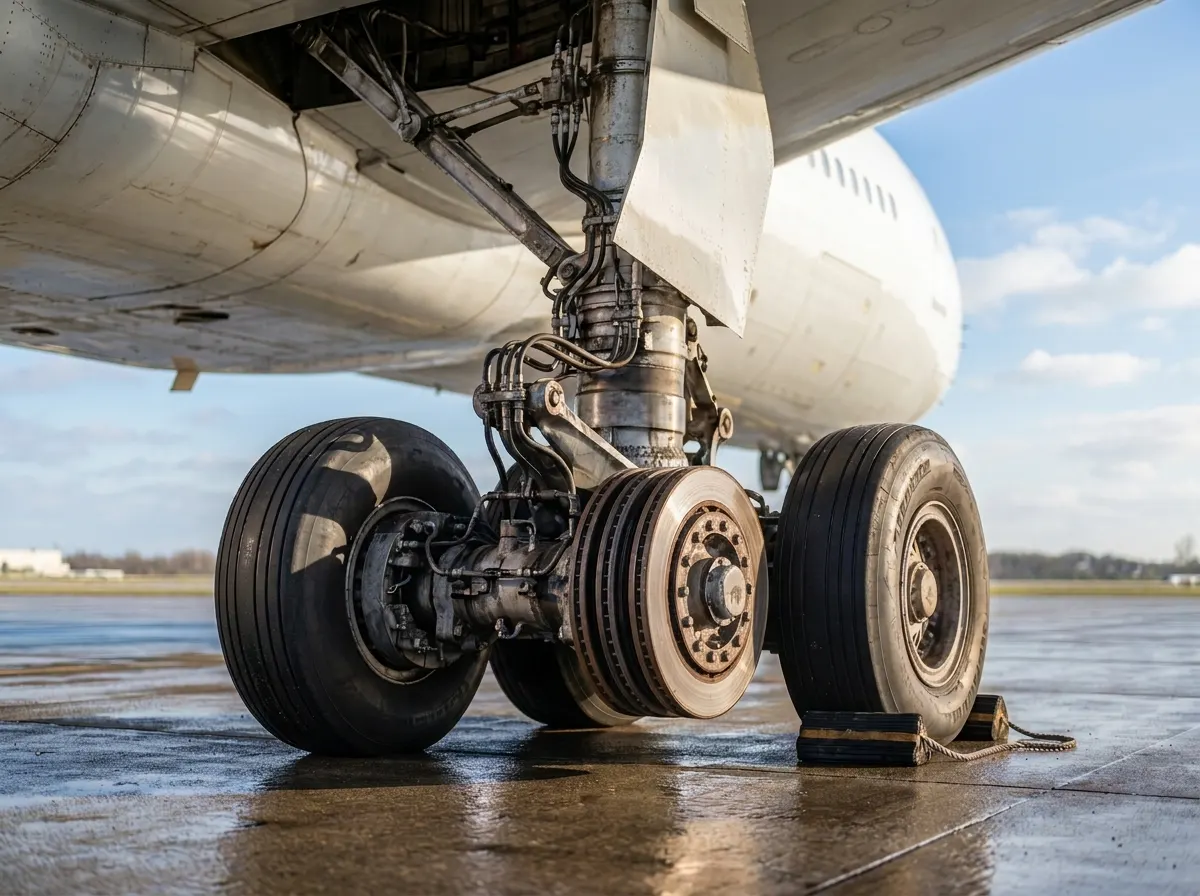
Aerospace
Support for obsolete braking, locking, actuation and motion-control components where traceability, documentation and modification or approval responsibilities must be clearly defined.
Aerospace Friction Materials & Components →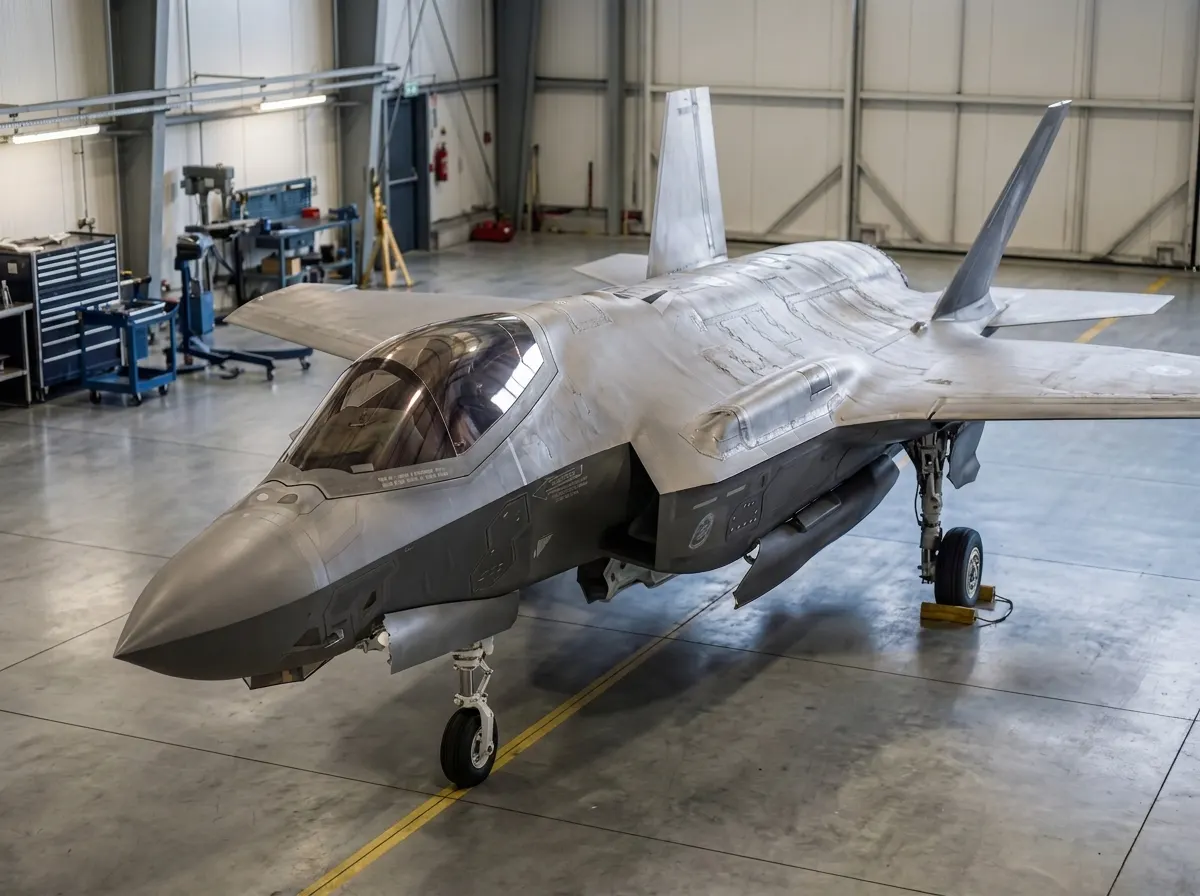
Defence
Redevelopment and controlled manufacture of legacy friction components where supply continuity, quality systems, documentation and traceability are important.
Defence Friction Materials & Components →
Wind energy
Engineering support for legacy or unavailable friction components used in yaw-braking and related wind-energy applications.
Wind Energy Friction Materials & Components →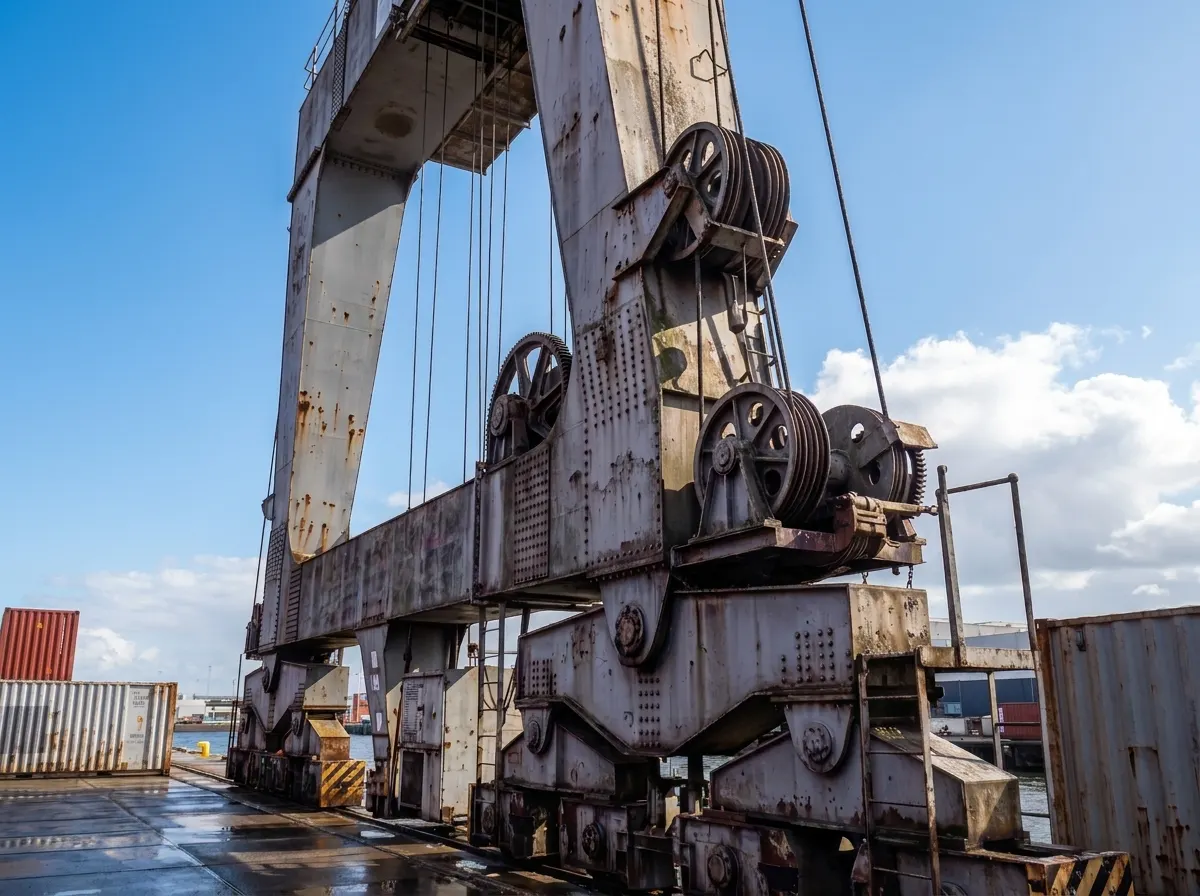
Industrial equipment
Replacement routes for discontinued friction components used in industrial braking, holding, crane, motor, safety-equipment and motion-control applications.
Industrial Friction Materials & Components →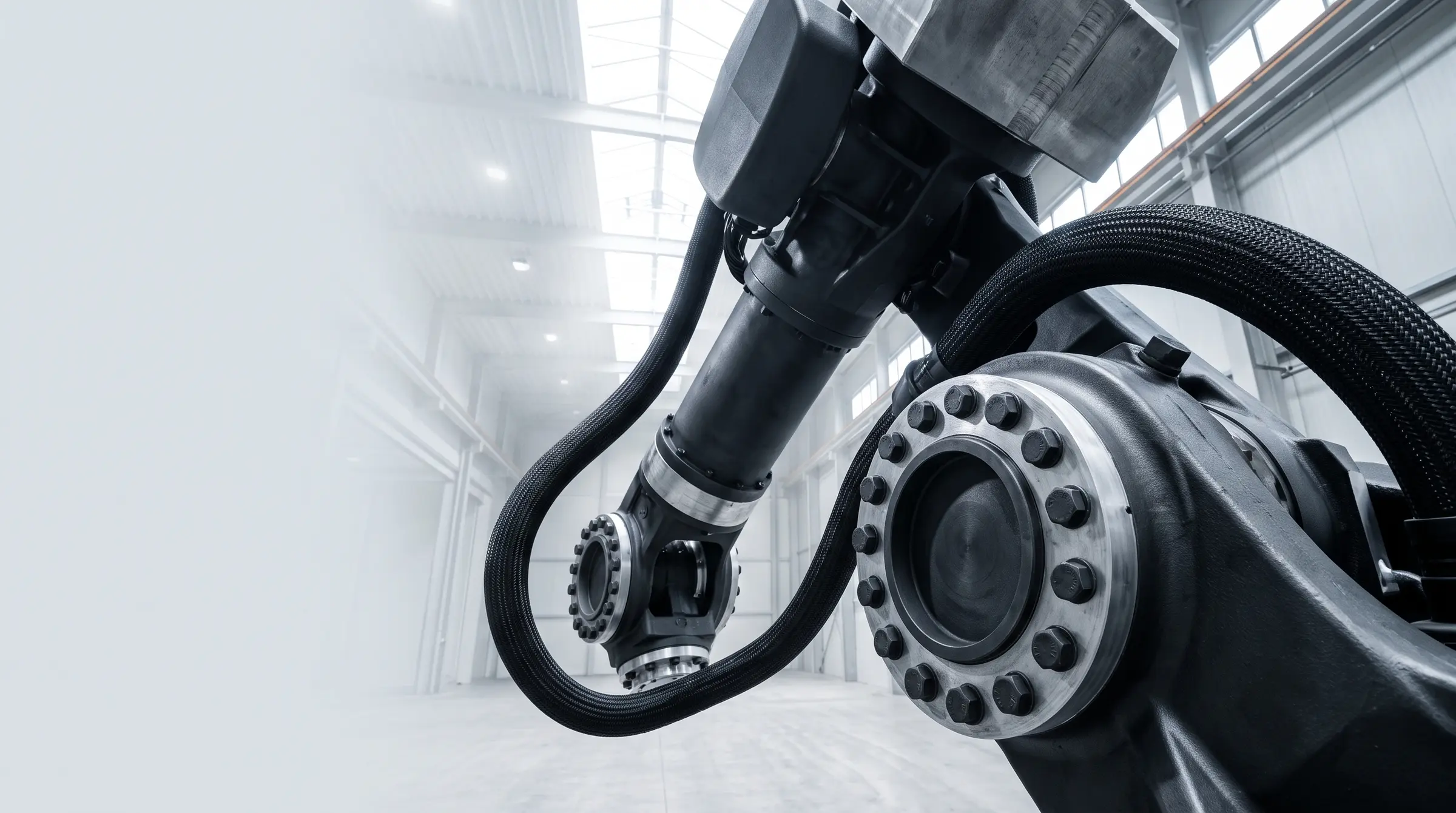
Robotics
Replacement routes for discontinued holding and braking components used in industrial robots, robotic joints and robotic arms.
Robotics Friction Materials & Components →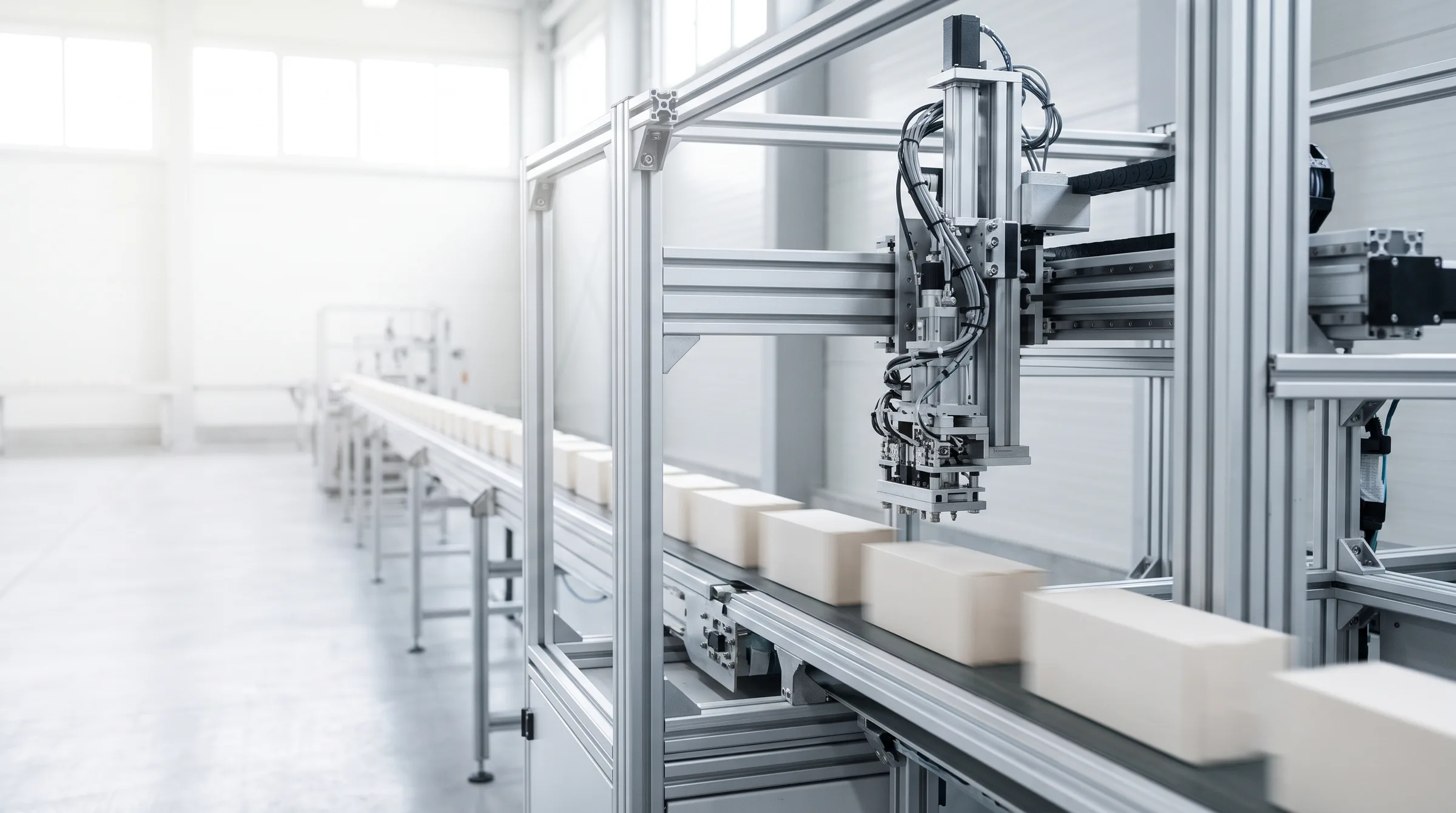
Industrial automation
Redevelopment of unavailable servo motor brake, electromagnetic brake and clutch components in ageing automated production equipment.
Automation Friction Materials & Components →Frequently asked questions about obsolete component reverse engineering
What types of components can FTL reverse engineer?
Can FTL work without the original drawing?
Do we need to send a physical component before contacting FTL?
Can FTL reproduce the original friction material exactly?
Will the replacement automatically be like-for-like?
Can FTL redevelop the complete component rather than only the friction material?
What testing can support a reverse-engineering project?
- CMM dimensional inspection
- Dynamic and material testing
- Coefficient-stability assessment
- Wear-rate assessment
- Thermal-performance testing
- Shear testing
- In-process checks
- Final component inspection
Who is responsible for revalidation or certification?
Can the replacement move into repeat production?
How long does an obsolete-component project take?
- The information and component evidence available
- The extent of material or design redevelopment required
- Prototype iterations
- Testing requirements
- Customer or external approval responsibilities
- Production and supply requirements
Can I send only a manufacturer name or part number?
Can FTL support customers outside the UK?
Ask an FTL engineer about an obsolete component
A part number, a machine, or the problem in your own words.
Keep the programme moving when the original source has stopped.
Tell FTL what is no longer available, what the component needs to do and what information your team currently has.
An existing component, drawing or specification is helpful, but the first conversation can begin with a short description of the application and continuity risk.
The relevant engineering and commercial team members can then assess the evidence, identify the information still required and define the most appropriate next step.
Optional drawing or specification upload available.