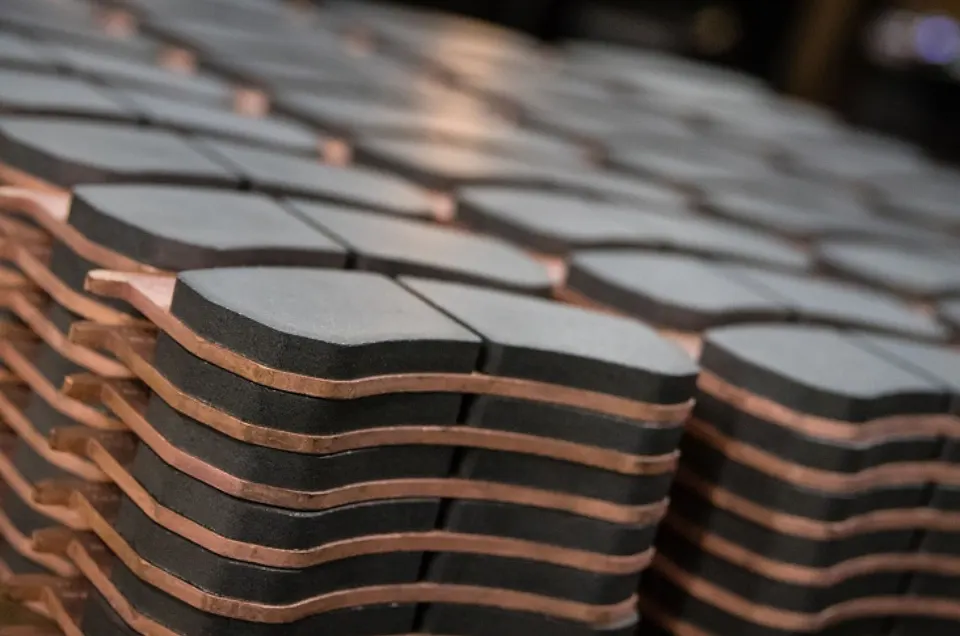
Friction engineering services for custom materials and components
FTL supports engineers, R&D teams and technical leads when a friction requirement needs to move from an application problem to a controlled manufacturing route.
Start with the situation your team needs to solve: a new programme, an obsolete component or an existing friction system that is not performing as required.
Choose the route by project situation, not by product category
Start with the situation your team needs to solve. The three services describe different starting points. Select the route that most closely matches the current stage of your project.
New Programme Support
Develop a new friction material or complete component from the initial engineering brief through prototype manufacture, testing, validation support and repeat production.
- New braking, holding or motion-control applications
- New OEM programmes
- New component designs
- Applications without an established friction-material route
- Projects requiring support from early development into production
- Application and operating-condition review
- Friction-material selection or formulation
- Engineering and component-development support
- Prototype manufacture
- Testing and inspection
- Support for the agreed validation route
- Progression into controlled serial production
A new programme or design
Establish a suitable material, component and production route
Application, operating environment, available specifications and required behaviour
Legacy & Obsolete Component Reverse Engineering
Redevelop a friction material or complete component when the original material, drawing, supplier or manufactured part is no longer available.
- Obsolete brake or motion-control components
- Discontinued friction materials
- Unavailable original suppliers
- Legacy equipment that must remain operational
- Projects where only a physical sample or partial information remains
- Review of the existing component and application
- Dimensional and material assessment
- Drawing or component redevelopment
- Selection or development of a replacement material
- Prototype manufacture
- Testing and revalidation support
- Repeat manufacture to maintain supply continuity
An obsolete or unavailable component
Restore continuity with a redeveloped and appropriately validated solution
Existing component, drawing, specification, service history or known requirements
Friction System Performance Optimisation
Investigate inconsistent braking, excessive wear or thermal-performance concerns and establish whether the material, component design or operating conditions require a different route.
- Inconsistent friction behaviour
- Unpredictable or excessive wear
- Thermal challenges
- Components not meeting the required operating behaviour
- Existing FTL programmes requiring further optimisation
- Review of the symptoms and current component
- Assessment of the operating environment
- Investigation of material, design and operating-condition factors
- Selection or development of an alternative friction formulation
- Prototype manufacture and comparative testing
- Support for the agreed implementation and validation route
An existing system is underperforming
Understand the contributing factors and assess an improved route
Current component, symptoms, operating conditions, test information and performance requirements
NOTE Drawings and specifications are helpful but are not mandatory for the first conversation. Expected annual volumes are discussed later, once the application and technical fit are understood.
Not certain which service applies? Choose the closest starting point and describe the application in your enquiry. FTL will confirm the appropriate scope during the technical discussion.
Engineering support built around the required outcome
FTL's services are structured around the engineering and supply problem the customer needs to resolve, not around selecting an item from a standard catalogue.
The scope is agreed around the application, available information, operating conditions, required performance and appropriate validation responsibilities.
- Translate an application requirement into a defined engineering and manufacturing route
- Establish one accountable technical and commercial point of contact
- Reduce avoidable handovers between material, machining, bonding and finishing suppliers
- Maintain continuity when an original component or supplier becomes obsolete
- Move from prototype development towards controlled repeat manufacture
- Support consistent quality through defined processes, inspection and traceability
- Provide documentation appropriate to the agreed manufacturing and project scope
- Support scheduled supply, customer-specific packaging and international delivery
- Keep engineering, manufacturing and supply considerations connected throughout the programme
Final performance, system approval and regulatory certification depend on the application, available evidence, agreed testing and the respective responsibilities of FTL and the customer.
What an FTL service engagement can include
The exact scope is project-specific. Not every programme requires every stage, but the connected capabilities are available within one manufacturing chain when needed.
A typical engagement draws on a connected sequence: application and requirements review, friction material selection or formulation, engineering and component development, prototype and component manufacture, testing and inspection, then serial and lifecycle supply.
A clear route from first contact to the next engineering decision
Share a short project brief
Tell FTL:
- What the application is
- Whether it is new or existing
- What the system or component needs to do
- What information is currently available
- What problem or risk has prompted the enquiry
A drawing, specification or photograph can be uploaded, but it is not required to start.
Bring the appropriate people into the conversation
After the enquiry is acknowledged, the relevant technical, engineering and commercial team members are brought into direct contact with the customer. The first discussion establishes whether FTL appears to be a suitable technical and manufacturing fit.
Define the engineering scope
FTL reviews the operating environment, available component information, performance requirements and appropriate development or redevelopment route. Expected annual volumes are discussed after the initial technical context has been established.
Agree the proposed development and manufacturing route
The proposed scope can define:
- Required engineering work
- Material-selection or formulation activity
- Prototype requirements
- Manufacturing stages
- Testing and inspection
- Customer and FTL validation responsibilities
- Documentation requirements
- Commercial and programme considerations
Develop, manufacture and support validation
FTL completes the agreed work through the relevant formulation, machining, bonding, finishing, testing and inspection stages. No material-performance or approval outcome should be promised before the required review and validation work has been completed.
Move into repeat supply where appropriate
Following the agreed approval route, FTL can support controlled repeat manufacture, inventory holding, call-off schedules, specialist packaging and global delivery.
Questions technical buyers need answered before moving forward
Can FTL match or improve the current material performance?
FTL can assess the existing component, application and required performance before proposing a material or component route.
Whether existing performance can be matched or improved depends on the operating conditions, available evidence, technical scope and agreed validation process. FTL will not guarantee an outcome before that review has taken place.
Is the proposed solution already proven in service?
Where an established material, relevant application history or customer-approved evidence is available, FTL can identify that during the technical discussion.
Some programmes require a new or redeveloped solution. In those cases, the required testing and validation route must be agreed, and an untested application is not treated as already proven.
How does FTL support consistent quality and repeatability?
FTL manages material formulation, component manufacture, bonding, finishing, inspection and supply through one accountable manufacturing chain.
The available controls include:
- Defined manufacturing processes
- In-process checks
- CMM inspection
- Material and dynamic testing
- Shear testing
- Final inspection
- Batch and lot traceability
- Production documentation
Does FTL have the engineering capability to support the whole project?
The available service chain includes:
- Friction material formulation
- Engineering and design support
- CNC machining
- Bonding and finishing
- Testing and inspection
- Assembly
- Warehousing
- Scheduled call-off
- International supply
Example: maintaining an aircraft programme after component obsolescence
SDTS approached FTL when the original aircraft brake pad was no longer available.
FTL redesigned the pad with a material meeting the stated aeronautical technical requirements and supported SDTS's route to a certifiable aircraft modification.
“Thanks to FTL, we can continue to fly, land, and brake safely.”
Olivier Moulin 
Engineering services for regulated and demanding applications
The three service routes can support multiple sectors. The material, documentation, testing and approval requirements are determined by the individual application.
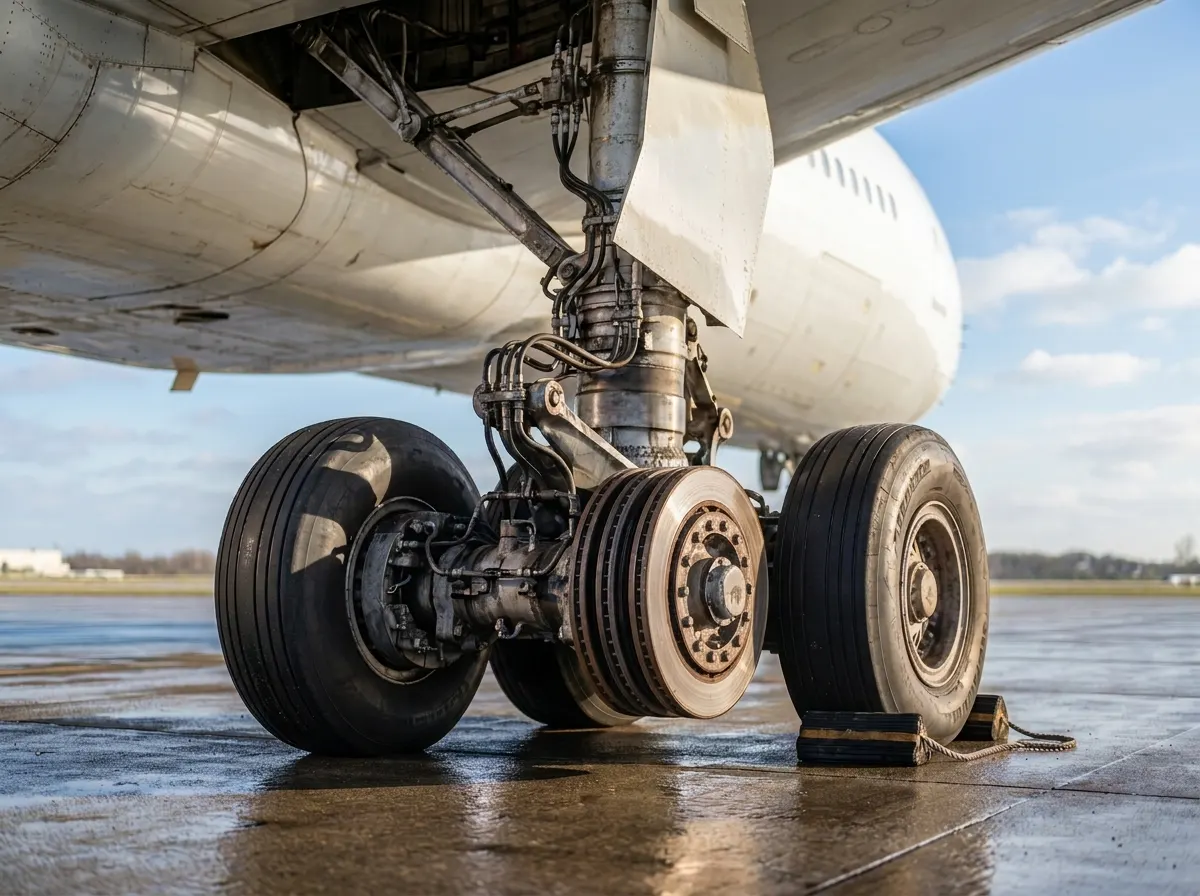
Aerospace
New programme development, braking and actuation components, obsolete-part continuity and controlled manufacture supported by AS9100 / EN9100.
Aerospace Friction Materials & Components →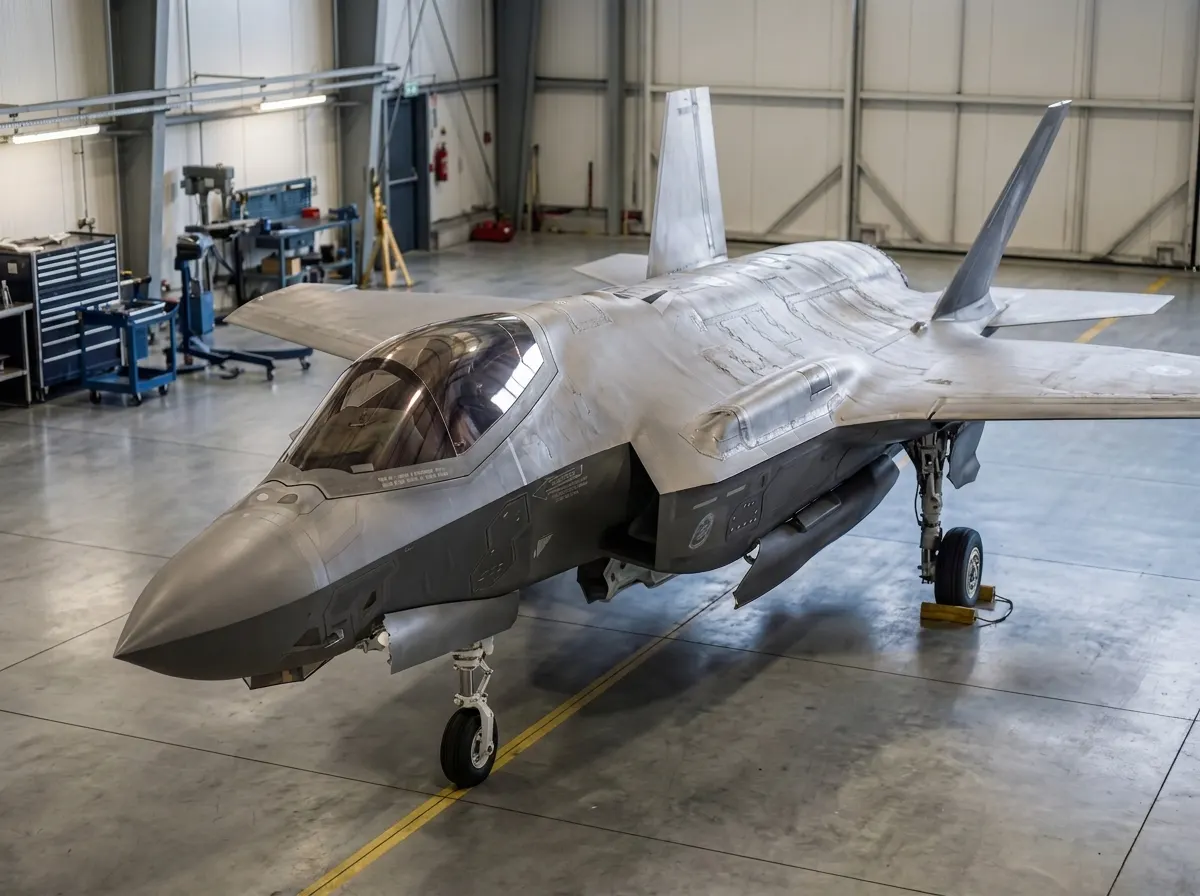
Defence
Engineering and manufacturing support for friction and motion-control applications where quality systems, traceability, documentation and supply continuity are important.
Defence Friction Materials & Components →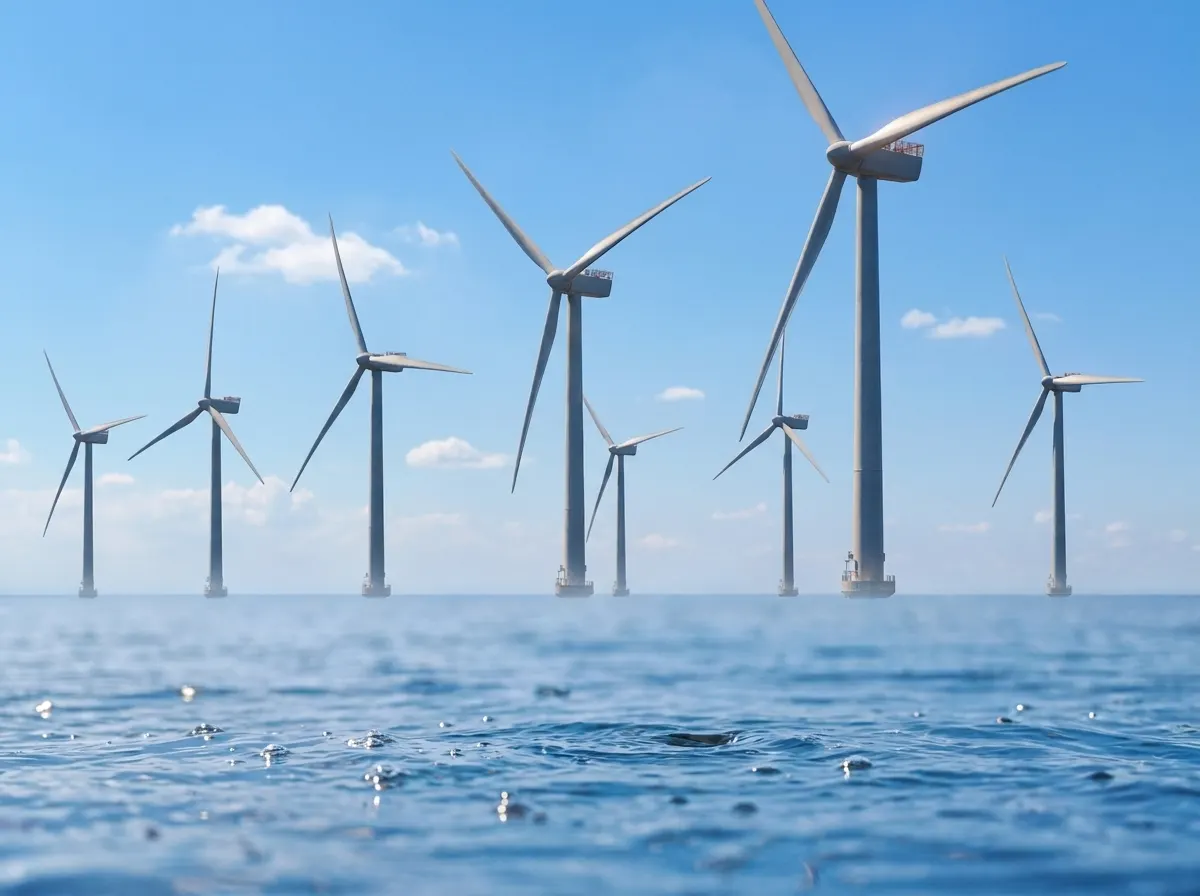
Wind energy
Material and component support for yaw-braking and related wind-energy applications, including new development and performance review.
Wind Energy Friction Materials & Components →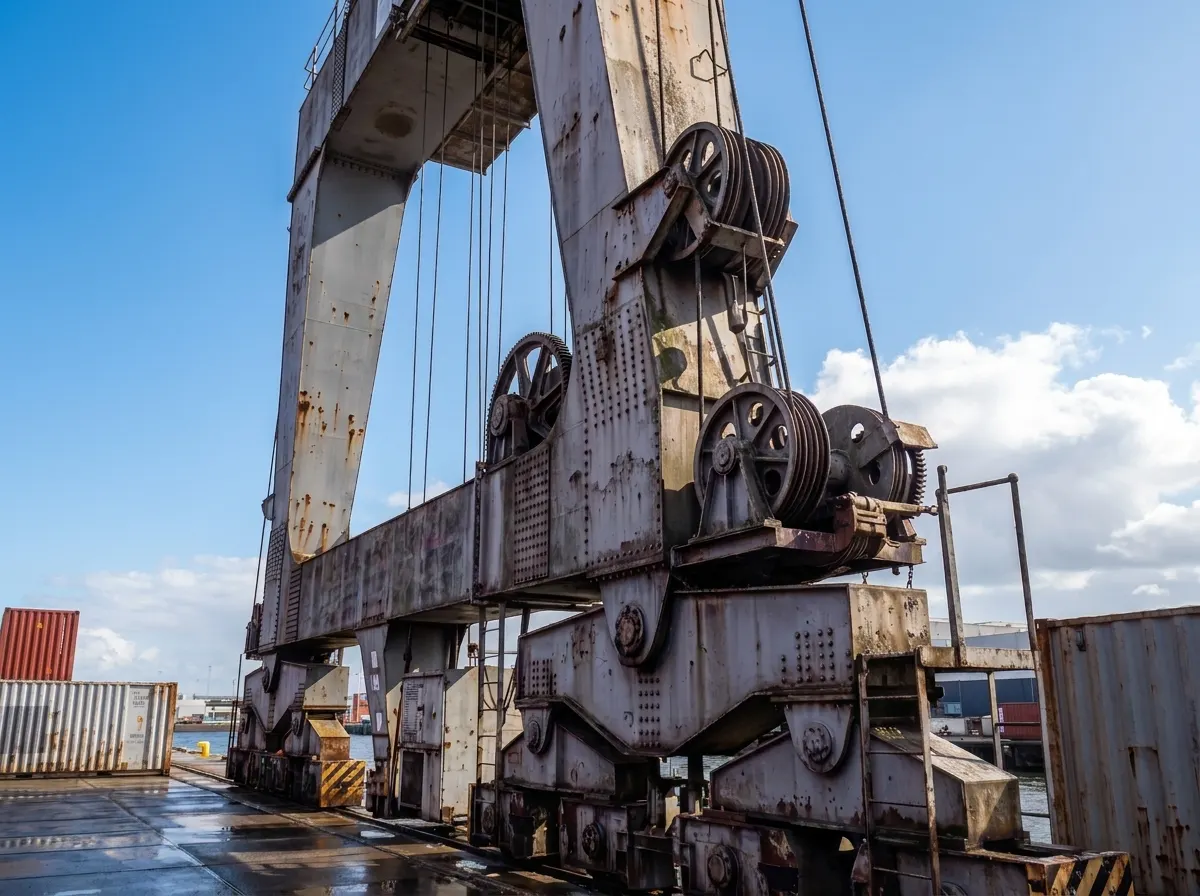
Industrial equipment
Custom friction components for industrial braking, holding, crane, motor, safety-equipment and motion-control applications.
Industrial Friction Materials & Components →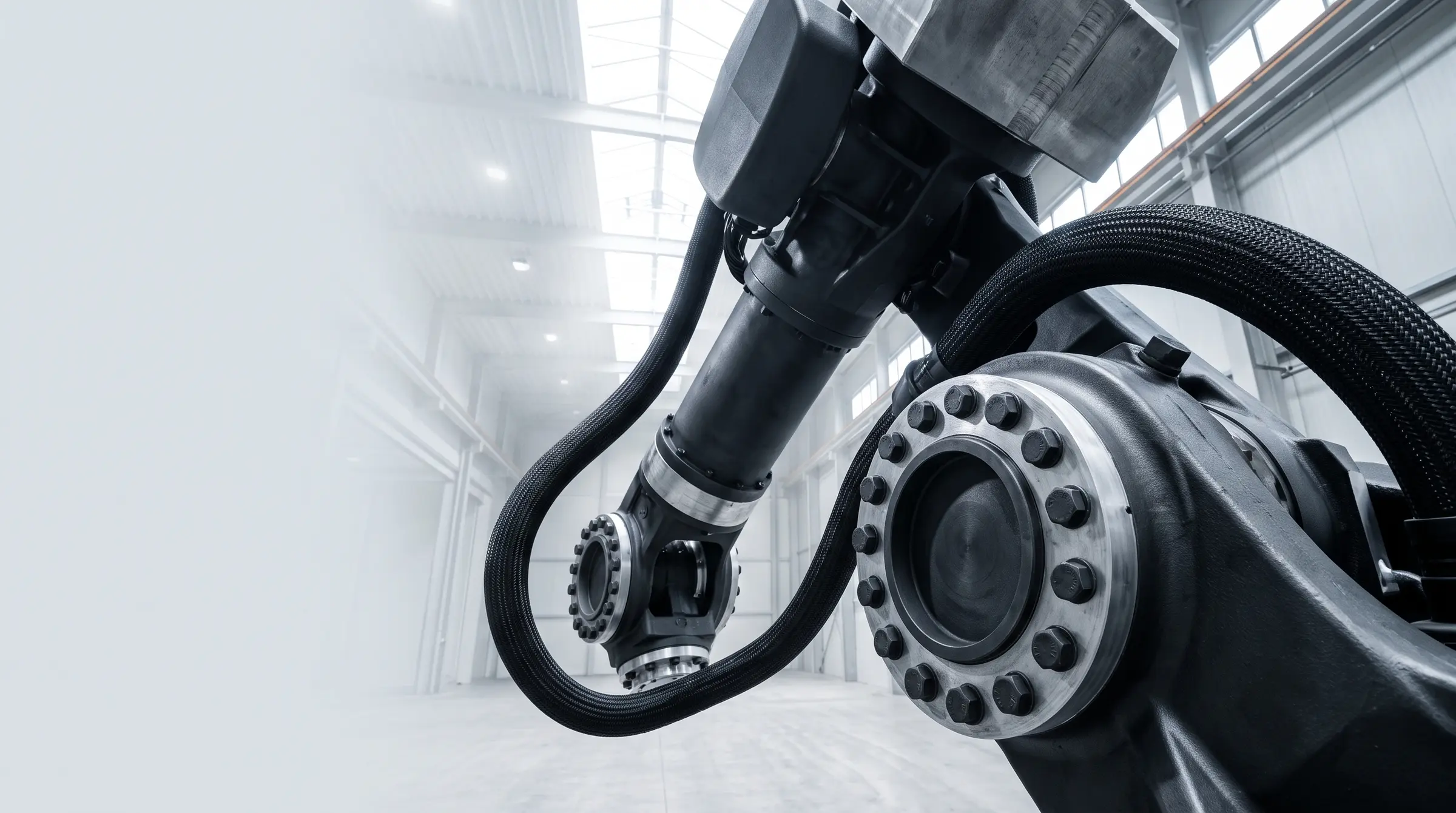
Robotics
Development, optimisation and repeat supply of holding, braking and controlled-motion components for industrial and collaborative robots.
Robotics Friction Materials & Components →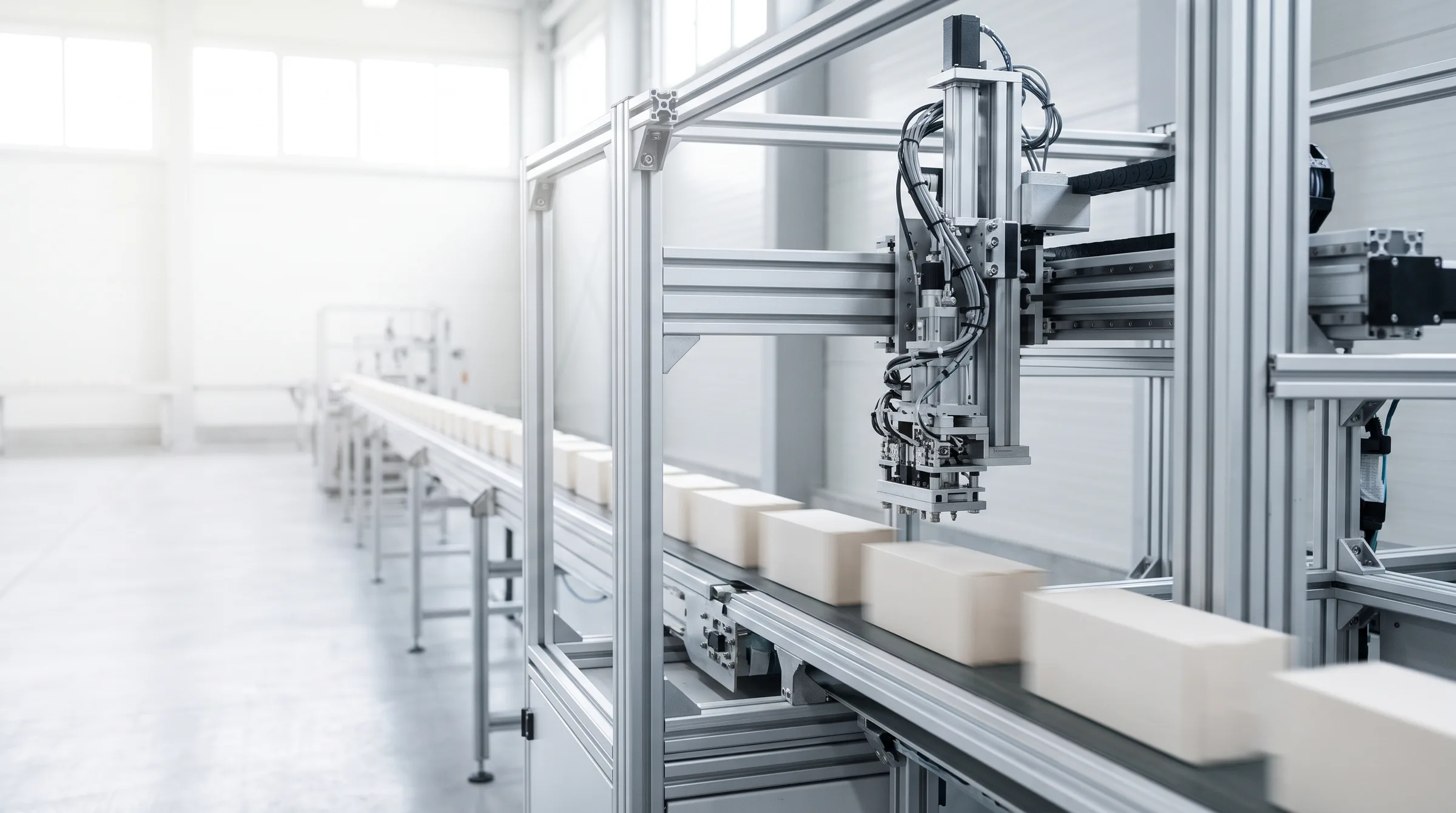
Industrial automation
Engineering and manufacturing support for servo motor brakes, electromagnetic brakes, linear actuators and high-cycle clutches in automated equipment.
Automation Friction Materials & Components →Frequently asked questions about FTL's engineering services
What is the difference between an FTL service and an FTL capability?
- A new programme
- An obsolete component
- An underperforming friction system
Which service should I choose?
- Select New Programme Support for a new application or component.
- Select Reverse Engineering when an existing component or source is obsolete.
- Select Performance Optimisation when an existing system is not behaving as required.
Do I need a drawing before contacting FTL?
Can FTL work from an existing physical component?
Does FTL only develop friction material?
Can FTL support prototypes and repeat production?
What information is useful for the first technical review?
- The application
- Whether the requirement is new or existing
- Temperature
- Load
- Speed
- Contamination
- Drawings or specifications
- Required performance
- Current braking, wear or thermal concerns
Does FTL supply customers outside the UK?
Can I order a standard part number from FTL?
Ask an FTL engineer about your application
A part number, a machine, or the problem in your own words.
Which engineering problem does your team need to solve?
Tell FTL whether you are starting a new programme, replacing an obsolete component or investigating an existing friction system.
A short initial brief is enough. The relevant technical and commercial team members can then review the application, available information and most appropriate next step.
Optional drawing or specification upload available. No long engineering questionnaire is required before the first conversation.