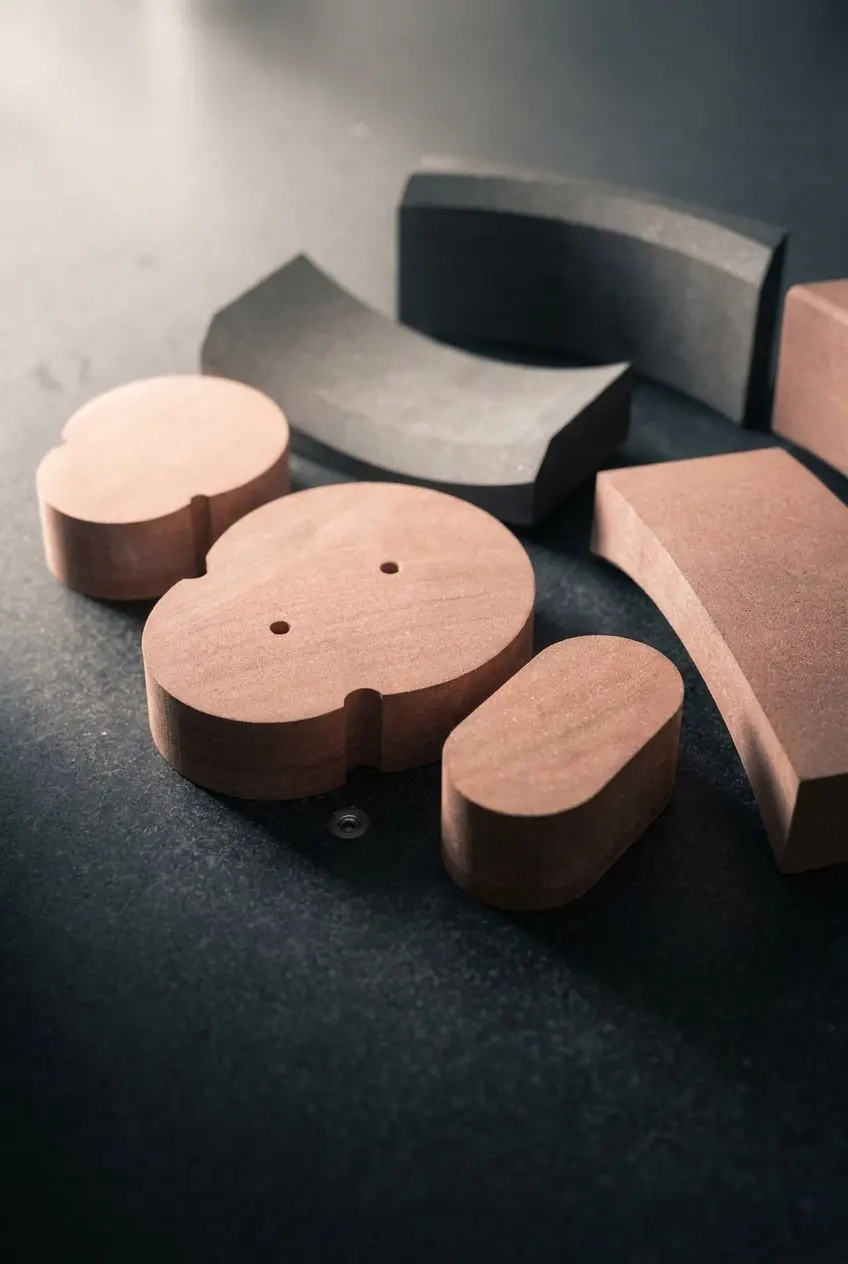
Custom friction material development from engineering brief to serial production
FTL supports OEM engineering, R&D and technical teams developing new brake and motion-control applications.
We help turn the application requirements into a defined friction-material, component and manufacturing route, from early technical review and prototype manufacture through testing, inspection and progression into controlled repeat production.
Friction material formulation, engineering, machining, bonding, finishing, assembly and inspection can be managed through one accountable manufacturing chain in North Wales.
This service is for custom engineering and programme requirements, not off-the-shelf part-number purchasing.
When new programme support is the right route
Engage FTL when the application is new and the friction solution, component route or production process still needs to be defined.
You are developing a new braking or motion-control application
The project has a required function and operating environment, but the appropriate friction material or complete component has not yet been established.
You need a custom material, component or bonded assembly
An off-the-shelf product does not meet the application, geometry, documentation or performance requirements.
You want engineering and manufacturing to remain connected
The project needs to progress from material selection and component development into prototype manufacture and repeatable production without a fragmented chain of separate suppliers.
You need a controlled route towards repeat supply
The programme requires consistent manufacture, inspection, traceability and an agreed route from development into ongoing production.
You need technical support before every detail is fixed
FTL can begin with the application, an initial brief, available specifications or the intended function. A complete drawing pack is not mandatory at first contact.
Existing component no longer available?
Existing system not performing as required?
Move the programme forward with a defined technical and manufacturing route
New programme support is not a standard product-selection exercise. The route is shaped around the application, operating conditions, available information, required behaviour and applicable approval responsibilities.
The intended outcome is a friction solution that can move through the necessary engineering decisions and into controlled manufacture.
Engineering outcomes can include
- A shared understanding of the application and known constraints
- A defined friction-material selection or development route
- A component-development and prototype plan
- Agreed testing and inspection requirements
- Evidence to support the applicable customer validation or approval process
- A clear route for refinement where test results require further work
Manufacturing and supply outcomes can include
- One accountable route from material development to finished component
- Controlled machining, bonding, finishing and assembly processes
- In-process and final inspection
- Batch, lot and production-document traceability
- Progression from prototypes into controlled repeat manufacture
- Inventory holding and scheduled call-off where agreed
- Customer-specific packaging, labelling and international delivery
The exact performance criteria, testing scope, acceptance route and respective responsibilities of FTL and the customer are agreed for each programme. No performance or approval outcome is guaranteed before that scope is established.
What new programme support can include
Not every programme requires every stage. FTL can support the relevant parts of the project or connect the complete route from the initial brief through finished-component supply.
The friction material is selected around the complete application, not a material name or nominal coefficient in isolation. FTL reviews the operating conditions, required behaviour, component design and manufacturing route before recommending an established formulation or proposing development work.
A typical programme draws on a connected sequence: application and requirements review, friction material selection or development, component engineering and design, prototype and sample manufacture, testing and inspection, validation and approval support, then serial and lifecycle supply.
Validation and approval responsibilities are defined per programme: which testing and evidence FTL provides, which system-level testing sits with the customer, and who holds final design, system or regulatory approval. No performance or approval outcome is guaranteed before that scope is established.
From application brief to controlled repeat supply
A stage-gated path. The sequence may vary by application, but each stage produces enough information to make the next engineering decision responsibly, and ends at a single clear decision point (progress, refine or stop) before the programme moves on.
Establish technical fit
- Share the application, intended function, current project stage and available information
- FTL reviews capability fit and identifies the most important gaps in the brief
Define operating and performance requirements
- Operating environment, required behaviour, available space or component information, documentation needs and approval considerations
Establish the material and component route
- Assess an established formulation, optimisation or a new material-development route
- Component design and manufacturing stages considered alongside the material
Agree the prototype and test plan
- What will be manufactured
- Which processes are required
- Which dimensions or characteristics will be inspected
- Which material or dynamic tests will be completed
- What evidence is required for the next decision
- FTL and customer responsibilities
Manufacture the prototype components
- The agreed material and component move through machining, bonding, finishing, assembly and inspection stages
Test, review and refine
- FTL completes agreed testing and inspection, reviews results against requirements
- Material, component or process route can be revised before the next stage
Support validation and approval
- FTL provides agreed technical, test, inspection and manufacturing information for the customer's validation or certification route
Transfer into controlled serial production
- Establish repeat manufacture, inspection, traceability, inventory and delivery arrangements
What to bring to the first technical conversation
Begin with what is known. FTL does not require every engineering detail to be final before the discussion starts.
Useful information at first contact
- What is the application?
- What does the component or friction system need to do?
- Is this a new design or an existing component?
- What environment will it operate in?
- What is known about temperature, load, speed or contamination?
- Are drawings, specifications or performance requirements available?
- Are there known programme, supply or approval constraints?
- What project stage has been reached?
Information that can be developed in conversation
- Detailed duty-cycle information
- Coefficient requirements
- Testing scope
- Certification or documentation scope
- Prototype quantities
- Expected annual volumes
- Production and call-off requirements
- Commercial scope
Expected annual volumes are discussed after the initial application and technical context have been established.
A drawing or specification is optional. The free-text project brief is enough to initiate the discussion.
Keep material development and component production connected
A traditional development route can divide responsibility between a friction-material supplier, machinist, bonder, finisher, inspector and logistics provider. FTL connects those stages through one engineering and manufacturing route, reducing supplier handovers and giving the customer one point of accountability as the programme moves from prototype to production.
New programme support for regulated and demanding applications
The programme route is application-specific, but the same connected engineering and manufacturing model can support several strategic sectors.
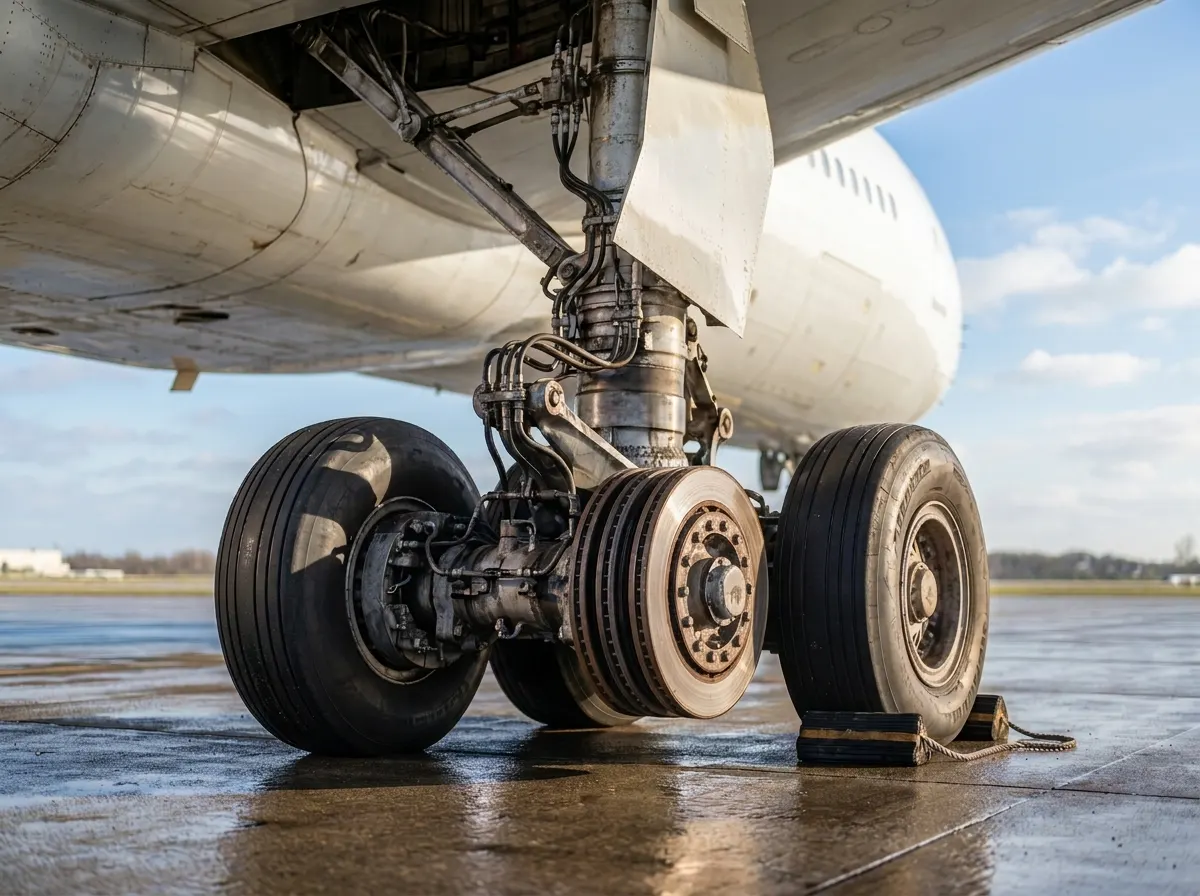
Aerospace
Support for new braking, locking, actuation and motion-control component programmes where quality systems, traceability, documentation and approval responsibilities must be clearly defined.
Aerospace Friction Materials & Components →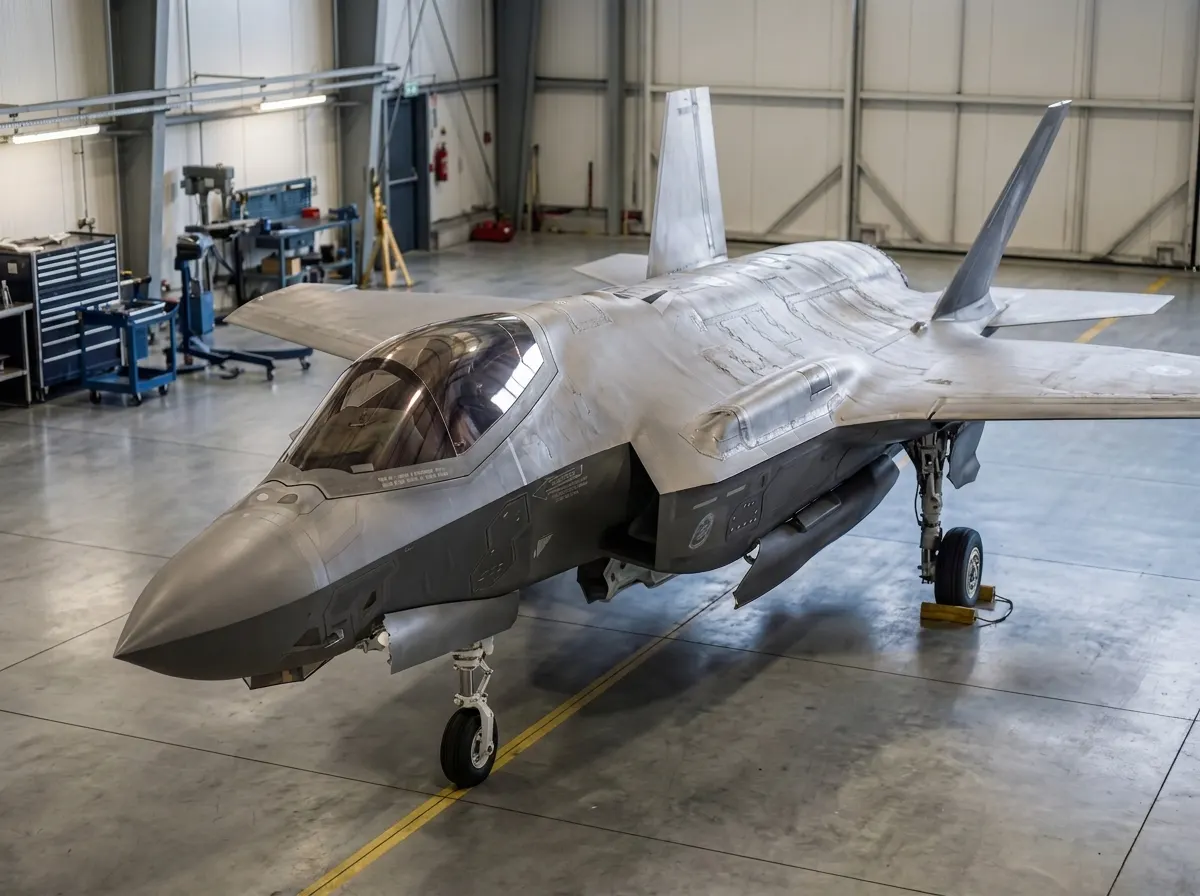
Defence
Custom friction and motion-control component development supported by controlled manufacture, traceability, JOSCAR registration and Cyber Essentials.
Defence Friction Materials & Components →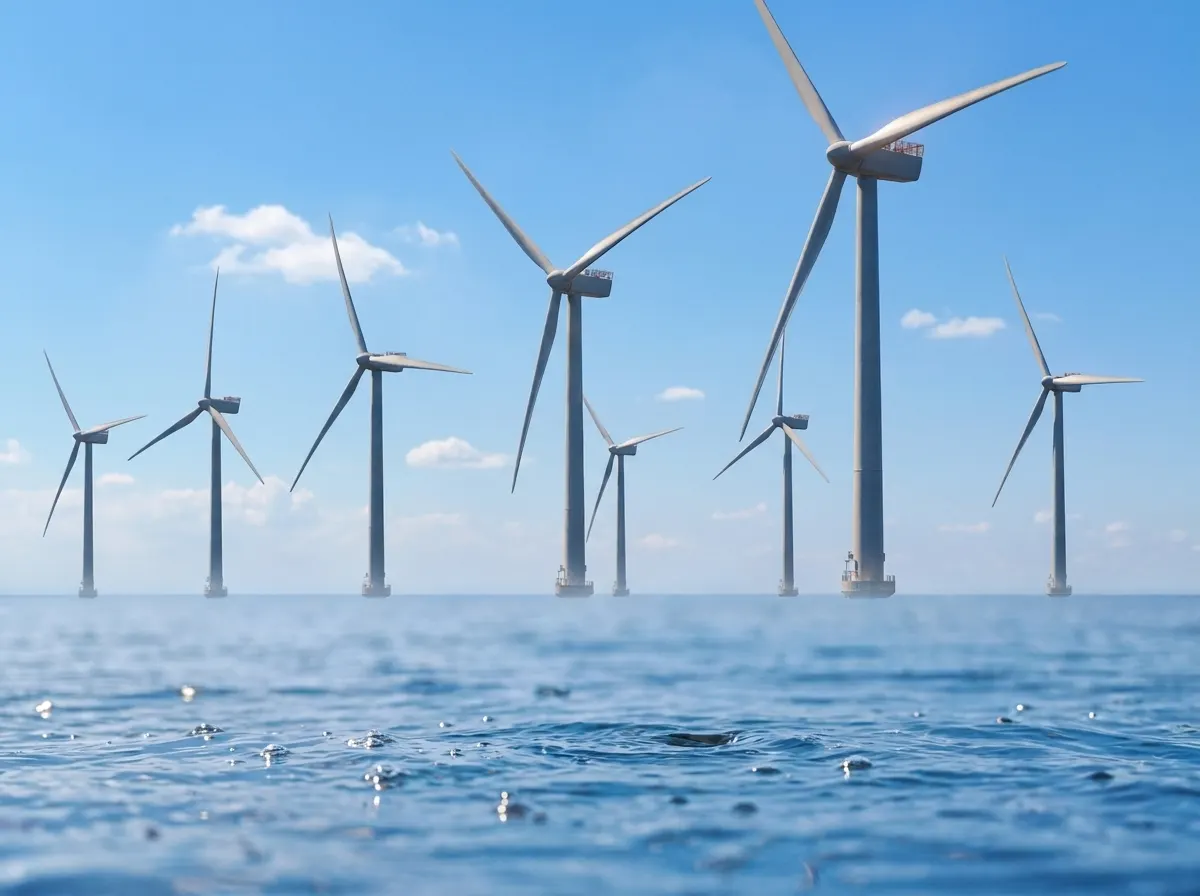
Wind energy
Material and component development for yaw-braking and related wind-energy applications, including prototype manufacture and performance assessment.
Wind Energy Friction Materials & Components →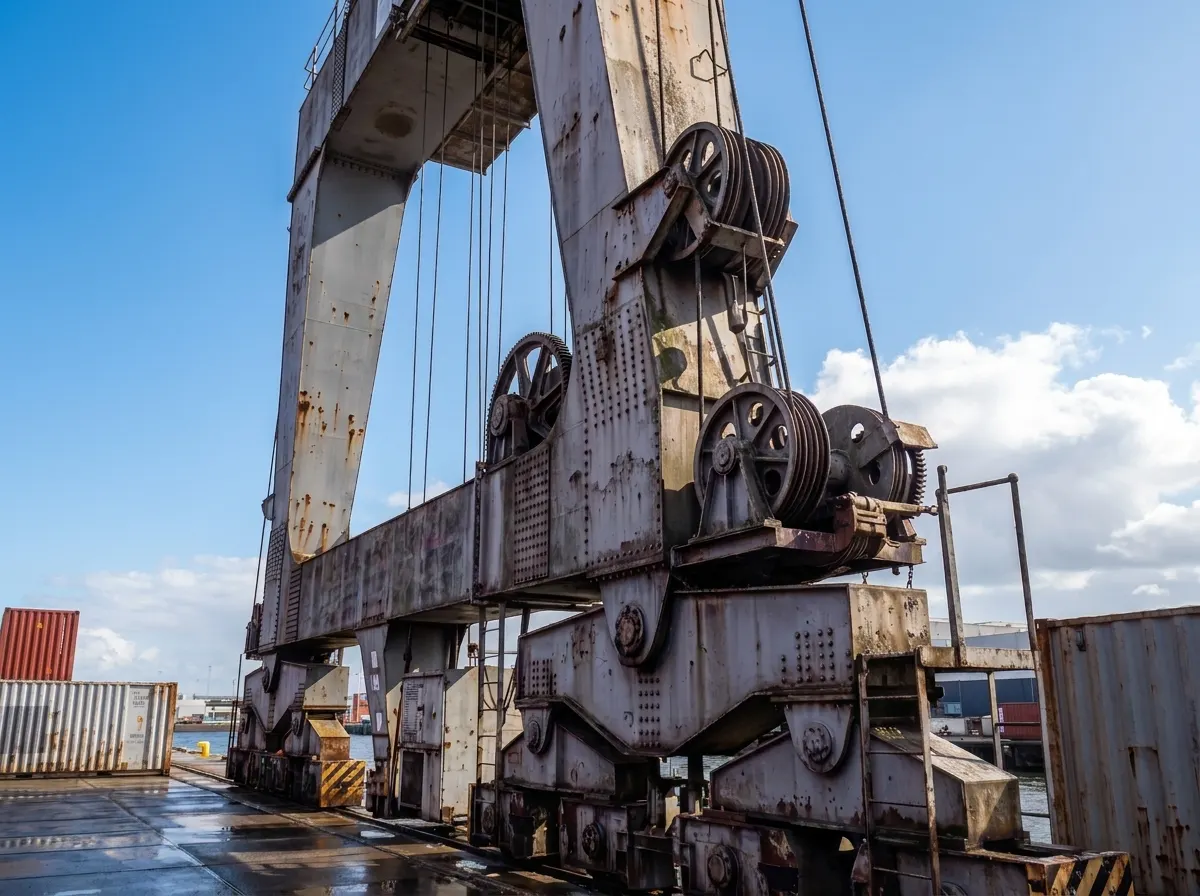
Industrial equipment
New friction components for industrial braking, holding, crane, motor, safety-equipment and motion-control applications.
Industrial Friction Materials & Components →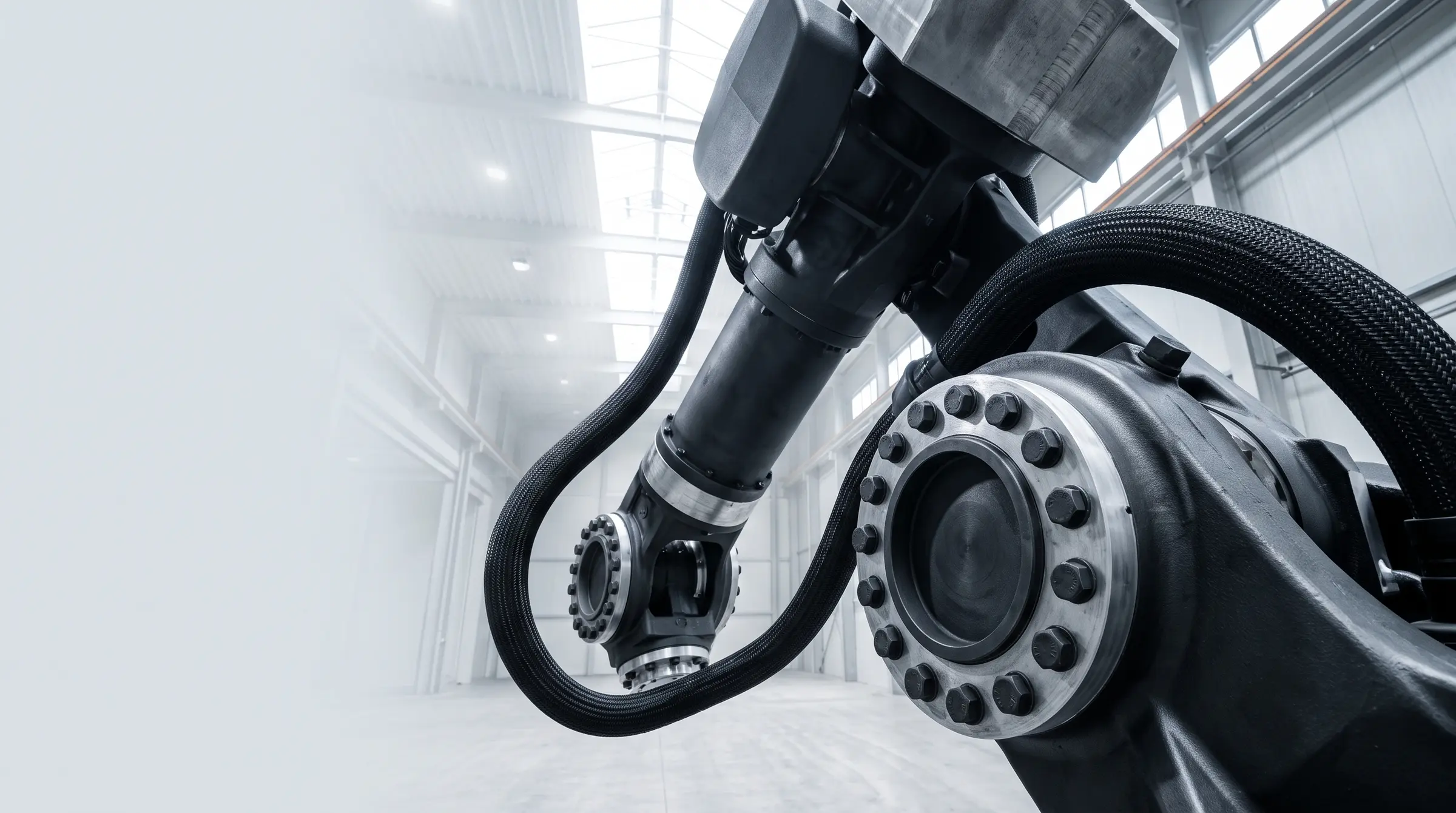
Robotics
New holding, braking and controlled-motion components for industrial robots, collaborative robots, robotic joints and robotic arms.
Robotics Friction Materials & Components →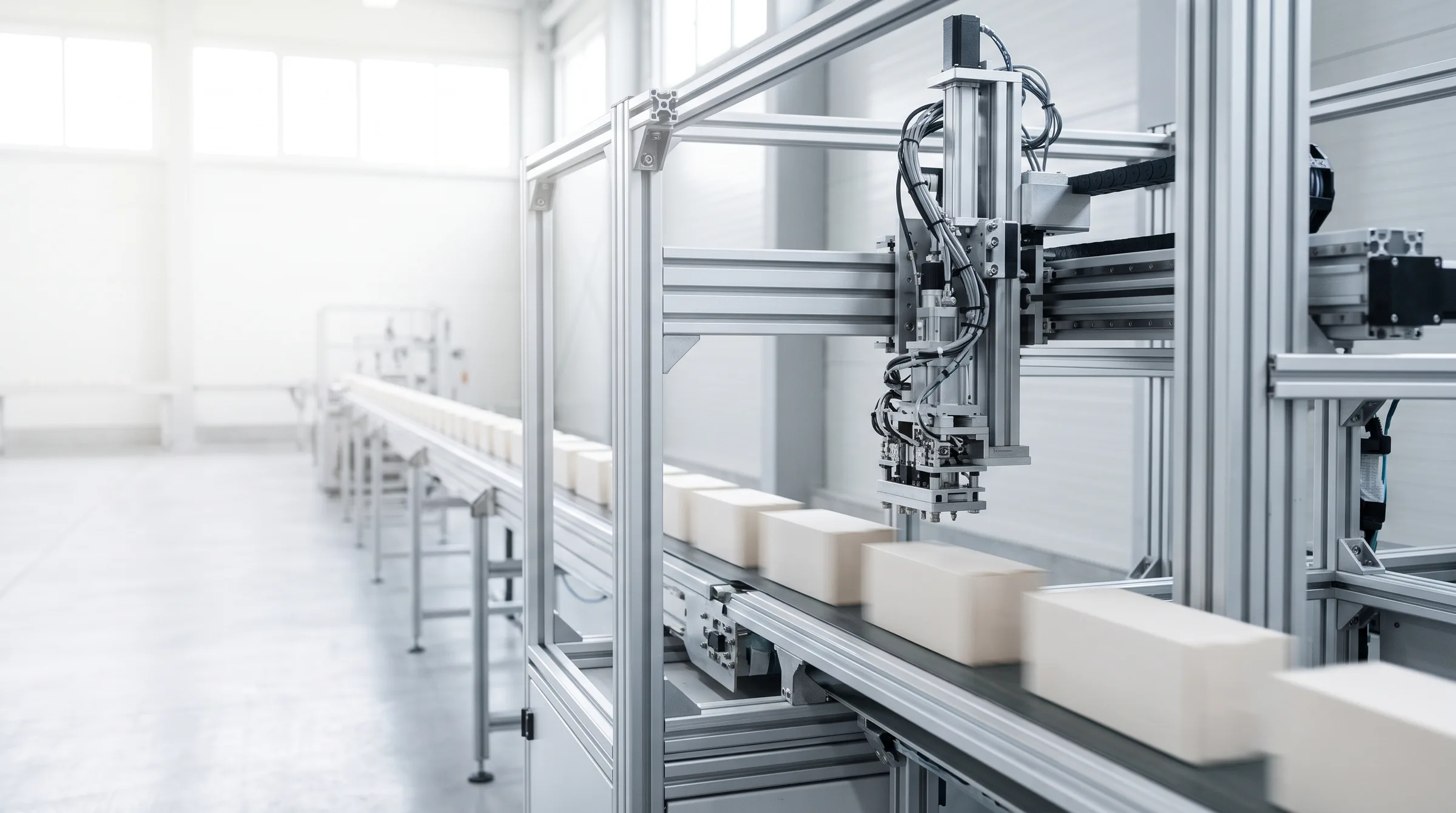
Industrial automation
New servo motor brake, electromagnetic brake and high-cycle clutch components for packaging machinery, production lines and handling equipment.
Automation Friction Materials & Components →Programme support backed by controlled engineering and manufacture
Related proof: engineering support in an aeronautical environment
SDTS approached FTL after an original aircraft brake pad was no longer available.
Although the project began as an obsolescence issue rather than a greenfield programme, it demonstrates FTL's ability to review the application, redesign a component, select an appropriate material, manufacture the product and support an aeronautical modification-certification route.
“The quality of the manufactured product is remarkable.”
Olivier Moulin 
Frequently asked questions about new friction programme support
What does new programme support cover?
At what stage should we contact FTL?
Do we need a completed drawing?
Can FTL develop both the friction material and the complete component?
Does every programme require a new friction formulation?
What material types does FTL work with?
What testing can FTL support?
Does FTL provide final system or regulatory certification?
Can prototype work progress into serial production?
How long does a new programme take?
When are annual volumes and commercial details discussed?
Can FTL support programmes outside the UK?
Ask an FTL engineer about a new programme
A part number, a machine, or the problem in your own words.
Start before every programme detail is fixed
Tell FTL what the application needs to do, what information is currently available and where the programme has reached.
A short brief is enough to begin. The appropriate technical, engineering and commercial team members can then review the operating conditions, material route, component requirements and most useful next step.
Optional drawing or specification upload available. No published minimum order, price or guaranteed programme timescale applies on this page.