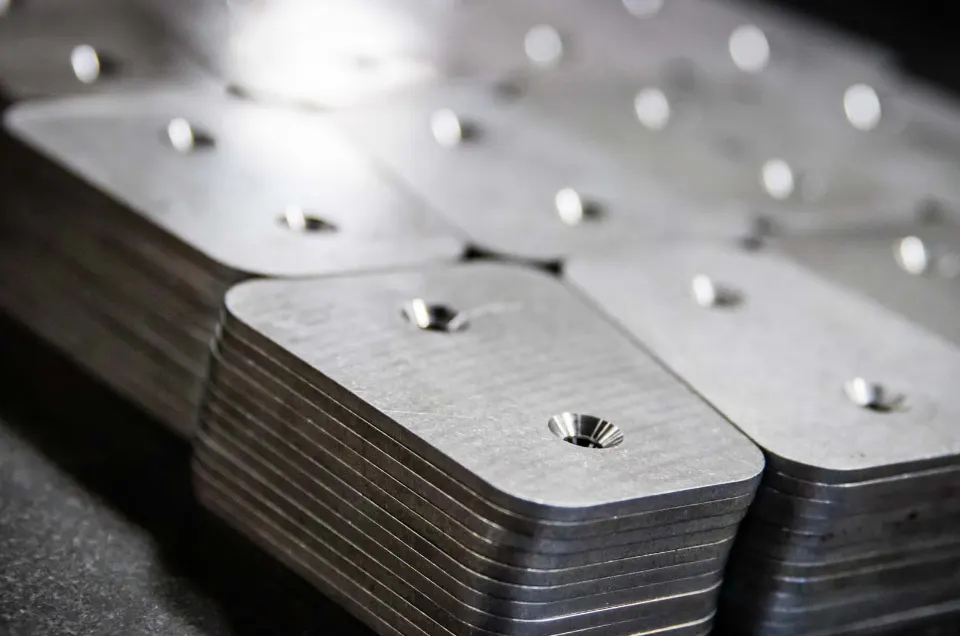
Custom precision gasket components manufactured to your requirements
FTL supports engineering and R&D teams requiring non-standard gasket components for new, existing and legacy assemblies.
Begin with a drawing, specification, existing component or application brief. FTL can review the required geometry, material, interfaces, manufacturing route and inspection requirements before progressing the component into prototype or controlled repeat manufacture.
A trusted, accountable supplier since 2003
High-performance friction and braking solutions, backed by decades of in-house expertise and supplied to OEM and aftermarket customers worldwide.
These are company-level capabilities and credentials. The applicable gasket material, manufacturing process, dimensional requirements and approval route must be confirmed for each project.
When a custom gasket component is the right route
Engage FTL when the requirement cannot be resolved responsibly through a standard gasket catalogue alone.
A new assembly needs a non-standard gasket component
The application and broad sealing requirement are understood, but the gasket geometry, material or repeatable manufacturing route still needs to be established. FTL can review the requirement as part of a wider new-programme route covering application review, component definition, prototype manufacture, dimensional inspection, customer validation and controlled repeat supply.
An original gasket is obsolete or unavailable
The equipment or assembly must remain operational, but the original supplier no longer supports the component, the original drawing is unavailable, only a physical gasket remains, the original material is unknown or obsolete, and a new repeatable supply route is required.
An existing design has changed
A change to the assembly, interfaces or operating environment may require the gasket component to be reviewed rather than copied without question. The revised route may need to consider geometry, material, thickness, mating surfaces, compression or installation, inspection and customer approval.
The gasket must be manufactured alongside the wider component
The gasket is one element of a broader FTL component or assembly requirement and needs to remain connected with engineering, associated component manufacture, assembly, inspection, traceability, and packaging and supply.
A prototype must progress into repeat production
The component must move beyond an initial sample into a controlled route covering approved component revision, material identification, manufacturing method, dimensional inspection, production records, repeat manufacture and scheduled supply.
The current supply route has too many handovers
Design, gasket manufacture, associated components, assembly, inspection and supply are being managed by separate organisations. FTL can review whether those stages can be connected within one accountable manufacturing route.
Move from a gasket requirement to a controlled component route
A custom gasket project should establish more than the outline of the component.
The engineering and manufacturing scope should define the required function, material responsibility, geometry, manufacturing method, dimensional evidence and production controls.
Potential engineering outcomes
01- A shared definition of the gasket's function
- A controlled drawing or component definition
- Confirmed material responsibility
- A defined manufacturing route
- A prototype and inspection plan
- Agreed acceptance requirements
- Clear FTL and customer responsibilities
- A decision on whether further development is required
Potential manufacturing and supply outcomes
02- Gasket components manufactured to the agreed definition
- Prototype and repeat-production components
- Dimensional and visual inspection
- Material, batch or lot identification
- Production and inspection records
- Integration with an approved component or assembly
- Scheduled call-off supply where agreed
- Customer-specific packaging and identification
- Worldwide delivery of manufactured components
A manufactured gasket component cannot be described as leak-free or guaranteed to seal the complete assembly unless the applicable material, installation conditions and validation evidence support that claim.
What a precision-gasketing engagement can include
Not every project requires every stage. The scope depends on the gasket, assembly and information currently available.
Application and requirements review
FTL begins by understanding what the gasket must do, which assembly it belongs to, whether the requirement is new, existing or obsolete, the available component information, the operating environment, required documentation and traceability, and what remains unknown.
Drawing and design review
Review of an existing drawing, partial drawing, CAD file, physical gasket or associated component, with SolidWorks design support, review of geometry and interfaces, preparation for prototype manufacture, and consideration of manufacturability and inspection.
Engineering & Design Support →Legacy gasket redevelopment
Where the original information is incomplete: review of an existing gasket and the mating components, redevelopment of component geometry, identification of missing material or application information, prototype manufacture, dimensional inspection and support for the customer's agreed revalidation route.
Material-route confirmation
The project must establish whether the material is customer-specified, whether FTL is expected to recommend or source it, plus material specification, thickness, condition or form, traceability requirements and applicable compliance or customer requirements.
Prototype gasket manufacture
Depending on the confirmed manufacturing scope: initial engineering samples, prototype gasket components, comparative geometry variants, components for dimensional review, components for customer assembly trials and components for the agreed validation stage.
Controlled repeat manufacture
Following the agreed approval route: approved component revision, controlled material reference, defined manufacturing method, in-process checks, final inspection, production records, batch or lot traceability and repeat supply.
Assembly and supply support
Where included: assembly with associated components, final visual and assembly inspection, customer-specific packaging, labels and barcodes, secure finished-goods storage, scheduled call-off, export documentation and international delivery.
What to bring to the first gasket discussion
Start with what is known. FTL does not require every technical detail to be final before the first conversation.
Application and function
- What equipment or assembly the gasket belongs to
- What the gasket is required to separate, contain or exclude
- Whether it also performs a spacing, cushioning or isolation function
- What has prompted the enquiry
- Whether the assembly is already in service
Project starting point
- A new gasket design
- An existing drawing
- A current gasket under review
- An obsolete gasket
- A physical component without complete drawings
- A prototype
- A component moving into repeat production
Geometry and interface information
- Drawing, partial drawing or CAD file
- Existing gasket or mating components
- Overall dimensions and thickness
- Apertures or holes
- Locating features
- Available installation space
- Required orientation
Material information
- Material specification or existing reference
- Thickness
- Hardness or compression information
- Customer-approved material
- Current technical data
- Traceability or certification requirements
Do not assume that FTL can supply every gasket material.
Operating environment
- Temperature and pressure
- Media or substance present
- Contamination
- Exposure to fluids or gases
- Environmental conditions
- Compression or clamping arrangement
- Operating or maintenance cycle
Mating surfaces and assembly
- Mating-component materials
- Surface condition and finish
- Fastening or clamping method
- Available compression
- Assembly sequence
- Whether adhesive backing is required
- Whether the gasket is installed by FTL or the customer
Inspection and approval requirements
- Critical dimensions and tolerances
- Inspection method and frequency
- Required records
- Customer approval process
- System-level validation
- Regulatory or programme requirements
Production and supply requirements
- Prototype quantity
- Expected annual volume
- Repeat-production schedule
- Required delivery format
- Kitting or assembly
- Inventory holding and scheduled call-off
- Packaging, identification and export requirements
Expected annual volume and detailed commercial qualification are discussed after technical fit has been established.
Eight questions shape the gasket component route
What must the gasket do?
The sealing or separation function, whether it also spaces, cushions or isolates, the conditions under which it must perform, and what would constitute an unacceptable result.
Which surfaces must it fit?
Mating-component geometry, available space, mounting or locating features, apertures, surface condition and assembly constraints.
What environment will it encounter?
Where relevant: temperature, pressure, media, fluids or gases, contamination, environmental exposure and maintenance or replacement cycle.
How will it be compressed or retained?
Clamping arrangement, fasteners, available compression, assembly sequence, adhesive or mechanical retention requirements and potential movement between surfaces.
Which material is required?
Material specification, thickness, compliance requirements, compatibility with the environment, customer approval, material traceability and responsibility for selection.
How should it be manufactured?
The route must reflect material, thickness, geometry, feature size, prototype or repeat quantity, required edge condition and dimensional requirements.
What must be inspected?
Critical dimensions, applicable tolerances, material and component identity, visual requirements, required records and the customer acceptance process.
How will the approved component be controlled and supplied?
Drawing or component revision, material revision, manufacturing route, inspection requirements, batch or lot traceability, change control, and packaging and delivery.
FTL's precision-gasketing capability at a glance
A summary of the gasket-manufacturing scope FTL can review for your project.
Public service description
Manufacture of custom precision gasket components
Gasket type in service
Formed-in-place gasketing (FIPG) in a transparent urethanacrylate resin, dispensed by a programmable robotic system; in service on a Kongsberg assembly
Dispensing patterns
Bead patterns are programmable; the pattern for a specific component is confirmed at technical review
Component materials
Steel and aluminium
Manufacturing methods
Cutting, forming and machining, connected to FTL's wider in-house machining capability
Thickness, dimensions and tolerances
Material specific and set by the approved material supplier's specification; confirmed against the drawing at technical review
Adhesive-backed components
Not supplied to date; feasible subject to packing arrangements that prevent adhesive contamination and product self-adhesion during transit
Customer-supplied materials
Supported: FTL has machined customer-supplied sheet and bonded customer-supplied metal components, including for UMBRA and KA
Assembly and kitting
Both supported, including bagging multiple components as a customer kit, as supplied to Alfa Laval
Existing-component redevelopment
Available subject to technical review
Match the material and manufacturing method to the complete application
The gasket material and manufacturing method must be assessed together.
A material that is appropriate for the operating environment may still be unsuitable for the required geometry, thickness, component form or production process.
Material responsibility
01Before work begins, agree whether the customer specifies and approves the material, FTL sources an approved material, FTL recommends a material from its confirmed gasket range, the project requires customer or third-party material approval, and whether customer-supplied material is permitted.
Material information
02The project should define material name or specification, grade, thickness, hardness or compression behaviour where relevant, temperature and media compatibility, compliance requirements, batch or lot identification, and storage and handling requirements.
Manufacturing-method selection
03The method should be selected against material, thickness, component geometry, required feature size, edge condition, prototype or production quantity, dimensional requirements, tooling implications and inspection requirements.
A controlled route from gasket brief to repeat supply
The precise sequence depends on the component, but each stage should produce enough information to support the next engineering or manufacturing decision.
Establish technical fit
- Application and required function
- Drawing, spec or existing component
- Known material info
- Required outcome and immediate concern
Confirm design and material responsibility
- Design authority
- Drawing or component revision
- Who specifies and approves the material
- FTL engineering scope and confidentiality
Define application and operating environment
- Sealing or separation function
- Mating components
- Temperature, pressure, media, exposure
- Compression, retention, installation
Review available component evidence
- Drawing or CAD file
- Existing gasket and mating components
- Material information
- Previous inspection or test data, gaps
Define material and manufacturing route
- Material and thickness
- Component geometry
- Manufacturing method
- Prototype quantity, inspection, traceability
Manufacture the prototype components
- Agreed gasket component made using the approved material and confirmed process
Inspect the gasket components
- Material and component identification
- Dimensional checks
- CMM where appropriate, visual
- Review against definition, records
Support assembly or application validation
- Customer assesses fit, assembly, compression, retention, sealing and system behaviour
- FTL provides manufacturing and inspection evidence in scope
Refine where required
- Geometry, material, thickness
- Manufacturing method
- Inspection requirements, assembly route
Establish controlled repeat manufacture
- Material reference and revision
- Component drawing and revision
- Manufacturing process, inspection, records
- Batch traceability, change control
Establish storage and scheduled supply
- Secure finished-goods storage
- Controlled inventory, scheduled call-off
- Customer packaging, labels, identification
- Export documentation, international delivery
Separate manufacturing conformity from assembly-level sealing performance
FTL can inspect a gasket component against the agreed manufacturing definition.
The complete assembly may still require separate customer or system-level evaluation to establish fit, compression and sealing performance.
Material and component identification
01The agreed route can record material reference and revision, component reference, drawing revision, batch or lot identity, and manufacturing date or production record.
Dimensional inspection
02The project should define critical dimensions, applicable tolerances, inspection method, inspection frequency, required records and customer acceptance responsibility.
CMM inspection where appropriate
03FTL's confirmed capability includes CMM dimensional inspection. Whether CMM is appropriate depends on gasket material, component rigidity, geometry, thickness, required characteristics and inspection method. Not every flexible gasket is inspected using CMM.
Visual inspection
04Visual checks can review component condition, edge condition, visible damage, apertures and features, identification, and packaging or protection. The exact criteria must be agreed.
Assembly and fit evaluation
05Where included, the gasket may be assessed within an associated component or assembly. The scope must state who assembles it, what is being assessed, what evidence FTL provides, what the customer evaluates and who approves the final assembly.
Leakage or sealing validation
06Whether FTL provides leakage, pressure or sealing tests depends on confirmation of the test equipment, media, pressure range, temperature range, assembly configuration, test method, acceptance criterion and reporting format.
Validation boundary
The project must define what FTL manufactures, what FTL inspects, what FTL testing represents, what customer assembly or system testing remains necessary, and who holds final equipment or regulatory approval responsibility.
What a precision-gasketing engagement can deliver
Deliverables are agreed for each project. Depending on the confirmed scope, an engagement can produce a defined gasket-component requirement, prototype and repeat-production components, inspection evidence within FTL's scope, and the supporting assembly, traceability and supply records.
A prototype is not production-approved and a manufactured gasket is not assembly-approved until the required customer validation route is complete. The detail behind each deliverable lives on the capabilities it draws on.
Keep the gasket component connected to the wider assembly and supply route
A fragmented route can separate gasket design, material sourcing, component manufacture, associated components, assembly, inspection and supply across several organisations. Where the gasket forms part of a wider FTL component or programme, the relevant stages can remain within one accountable engineering and manufacturing route.
Actual administrative, lead-time or cost benefits depend on your existing supply chain and the agreed FTL scope.
Precision gasketing within FTL's engineering service routes
New Programme Support
A custom gasket component may form part of a new assembly requiring application review, component definition, material confirmation, prototype manufacture, inspection, customer validation and controlled repeat supply.
Legacy & Obsolete Component Reverse Engineering
Precision gasketing may support a project where the original gasket is unavailable, the original drawing is incomplete, the original material is obsolete, only a physical component remains, and a repeatable replacement route must be established.
Friction System Performance Optimisation
Where a gasket component forms part of a wider brake or motion-control assembly under review, FTL can consider it alongside friction material, component geometry, operating conditions, bonding and assembly, and dimensional or production evidence. The gasket should not be assumed to be the cause of the wider performance problem.
Precision gasket components for confirmed engineering applications
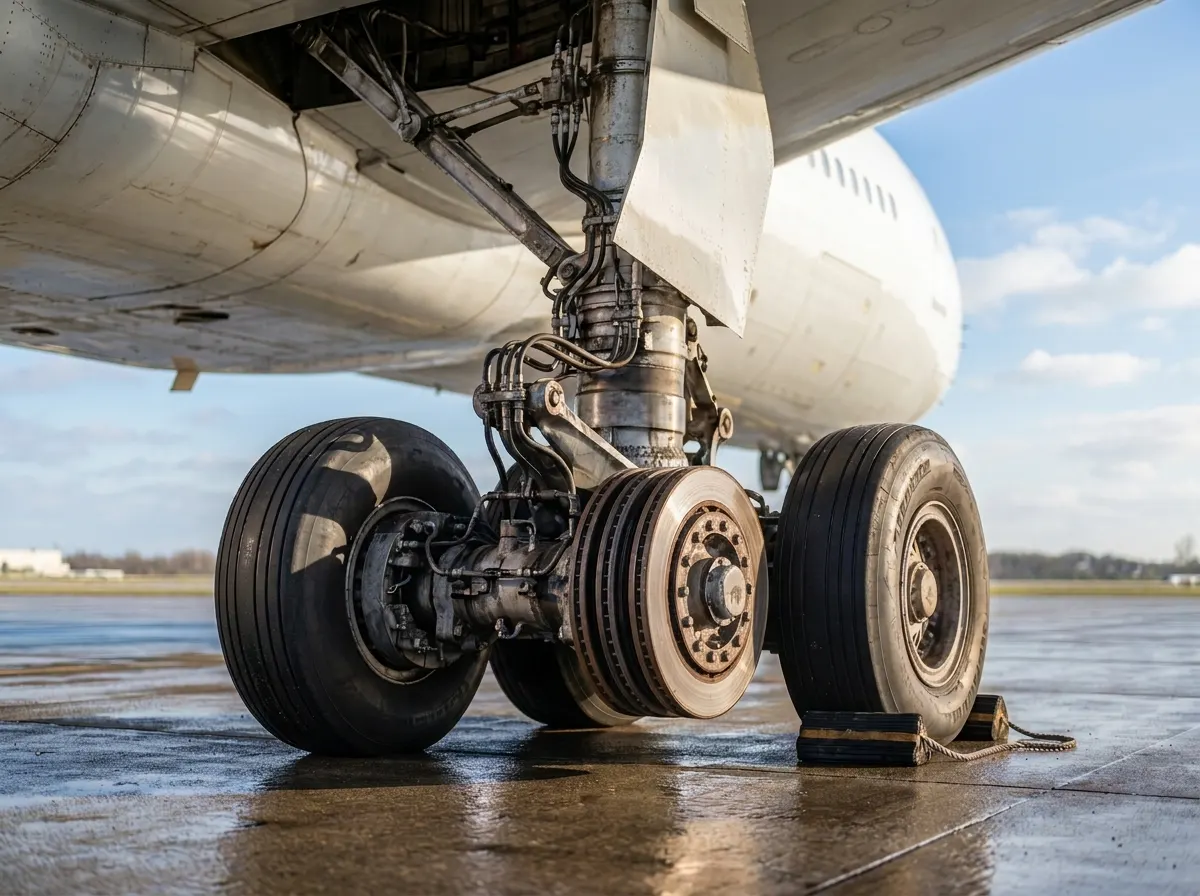
Aerospace assemblies
FTL provides precision gasket components for aerospace sealing applications. Each enquiry must still confirm gasket function, material, geometry, operating environment, traceability, inspection and customer and regulatory approval responsibilities.
Aerospace Friction Materials & Components →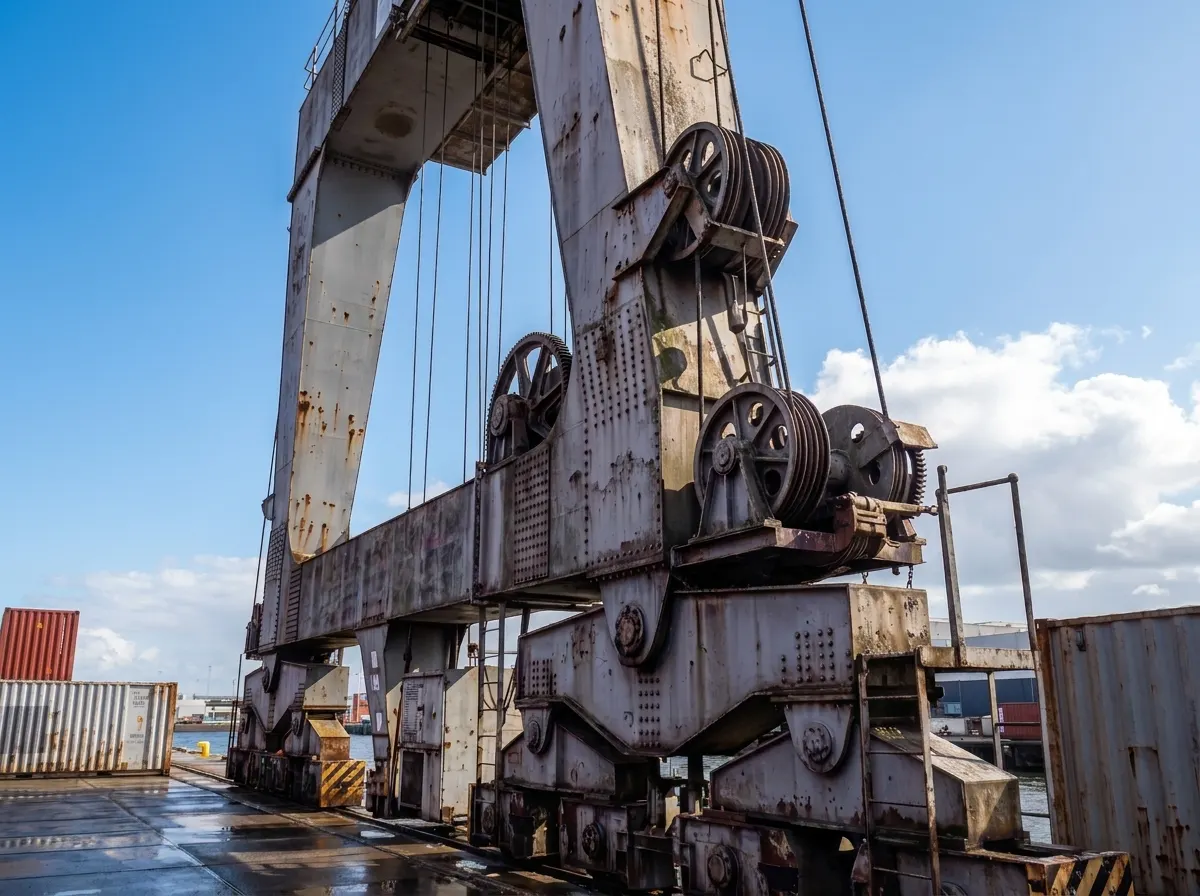
Industrial equipment
FTL provides precision gasket components for industrial sealing applications. The technical review must define equipment and assembly, media and environment, material, geometry, manufacturing method, inspection and customer validation.
Industrial Friction Materials & Components →Precision-gasket capability backed by controlled component manufacture
FTL has manufactured engineered components since 2003 and holds ISO 9001, AS9100 / EN9100, ISO 14001, ISO 45001, JOSCAR and Cyber Essentials. Precision gasketing sits within that in-house, accountable manufacturing capability.
No gasket-specific case study or testimonial has yet been supplied. The organisational credentials above describe FTL's manufacturing and quality system, not an attributable gasket project.
Is FTL the right route for your gasket component?
FTL is a strong fit when
- Your team has an engineering brief rather than a standard catalogue order
- The gasket geometry is non-standard
- The gasket forms part of a wider engineered component or assembly
- A new programme requires prototype and repeat manufacture
- The original gasket or drawing is obsolete
- Design support or component redevelopment is required
- Dimensional inspection and traceability matter
- Assembly, packaging or scheduled supply may be required
- You want fewer suppliers across the component route
- The finished components require worldwide delivery
FTL must confirm fit when
- The required material is highly specialised
- A specific cutting or forming process is mandatory
- A customer-specified adhesive backing is required
- The gasket has very small features or unusual dimensions
- A published tolerance is mandatory
- Customer-supplied material will be used
- Leakage or pressure testing is required
- A named gasket or sealing standard applies
- Independent laboratory approval is required
A different route may be more appropriate when
- You need a standard gasket immediately
- You need an online gasket configurator or shopping cart
- You are purchasing solely by a standard part number
- You require a generic commercial gasket-cutting service
- No engineering, inspection or manufacturing review is required
- Price is the only selection criterion
Frequently asked questions about custom precision gaskets
What is precision gasketing?
Does FTL manufacture custom gasket components?
Which gasket materials does FTL work with?
Does FTL manufacture rubber, composite or metal gaskets?
Which manufacturing methods does FTL use?
Can FTL manufacture a gasket from a drawing?
Can FTL work without the original drawing?
Can FTL design a new gasket?
What tolerances can FTL achieve?
Can FTL inspect precision gasket components?
Does FTL use CMM inspection for every gasket?
Can FTL guarantee a leak-free seal?
Does FTL provide pressure or leakage testing?
Can FTL manufacture adhesive-backed gaskets?
Can FTL use customer-supplied gasket material?
Can FTL reproduce an obsolete gasket?
Can FTL manufacture gasket prototypes?
Can prototype gaskets progress into repeat production?
Does FTL manufacture standard gaskets from stock?
Can FTL support aerospace gasket requirements?
Can FTL support industrial gasket requirements?
How quickly can FTL manufacture a gasket?
When are quantity and pricing discussed?
Can FTL supply gasket components outside the UK?
Ask an FTL engineer about precision gasketing
A part number, a machine, or the problem in your own words.
Bring FTL the gasket drawing, existing component or application requirement
Tell FTL what the gasket component needs to do, what technical information your team currently has and what has prompted the enquiry.
A short initial brief is enough.
The relevant technical, engineering and commercial team members can then review the geometry, material, manufacturing method, inspection requirements and most appropriate next step.
Optional drawing or specification upload available.