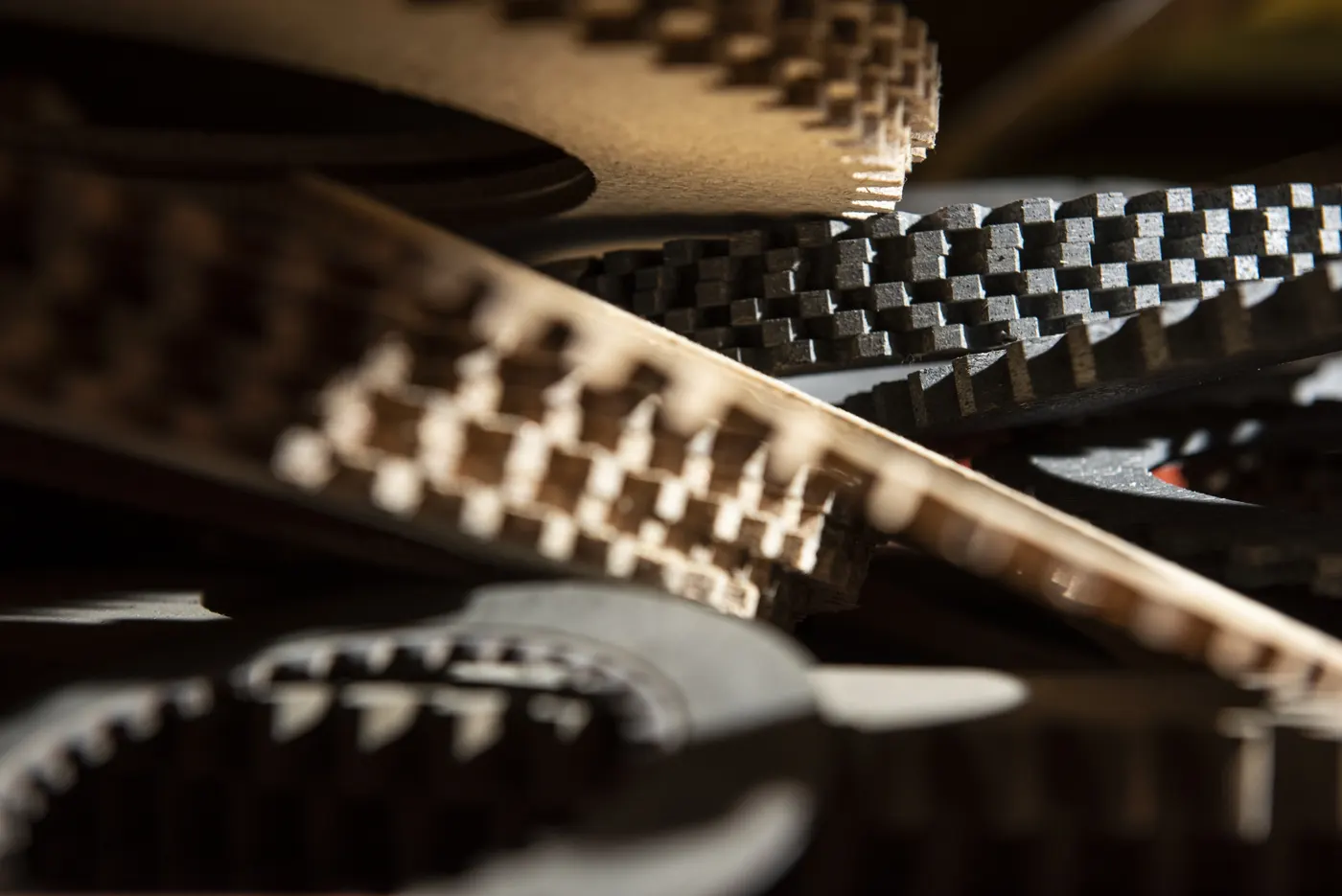
Custom friction materials and complete brake components engineered for your application
FTL develops and manufactures custom friction products for braking, holding and motion-control applications.
The requirement may begin with a friction material, a complete component, an existing part that needs to be redeveloped, or a performance problem that requires a different engineering route.
Organic, composite, sintered, Kevlar and woven friction materials can be connected with component engineering, precision machining, bonding, finishing, testing, inspection and repeat supply through one accountable manufacturing chain in North Wales.
A trusted, accountable supplier since 2003
High-performance friction and braking solutions, backed by decades of in-house expertise and supplied to OEM and aftermarket customers worldwide.
Standards and registrations
Material suitability, component acceptance and programme requirements must be agreed for the individual application. Company-level standards do not automatically approve every material or component.
Start with what your engineering team needs
The correct route depends on whether the immediate requirement is a material, a complete component or a solution to an existing programme problem.
We need a friction material for a defined application
FTL can review the required function, operating environment, component construction and available specifications before assessing an established FTL formulation, optimisation of an existing formulation, a newly developed material route, the appropriate material family, or required prototype and test work.
We need a complete brake or motion-control component
FTL can connect the friction material with component engineering, friction and metallic-component machining, bonding, surface preparation, finishing, assembly, testing, final inspection and repeat supply.
A component or supplier is obsolete
The current system is underperforming
A new design or programme is beginning
We need technical data before starting a discussion
Review the currently approved material data, then contact FTL to establish whether the available information applies to the complete application.
Not certain which route applies? Describe the application and required function. FTL will confirm the most suitable starting point during the technical conversation.
Five friction-material families, selected around the complete application
A material-family name is a starting point, not a complete material specification.
FTL reviews the component function, operating environment, available geometry, required performance and validation route before recommending an established formulation or proposing development work. The selection framework below sets out the inputs that shape that review.
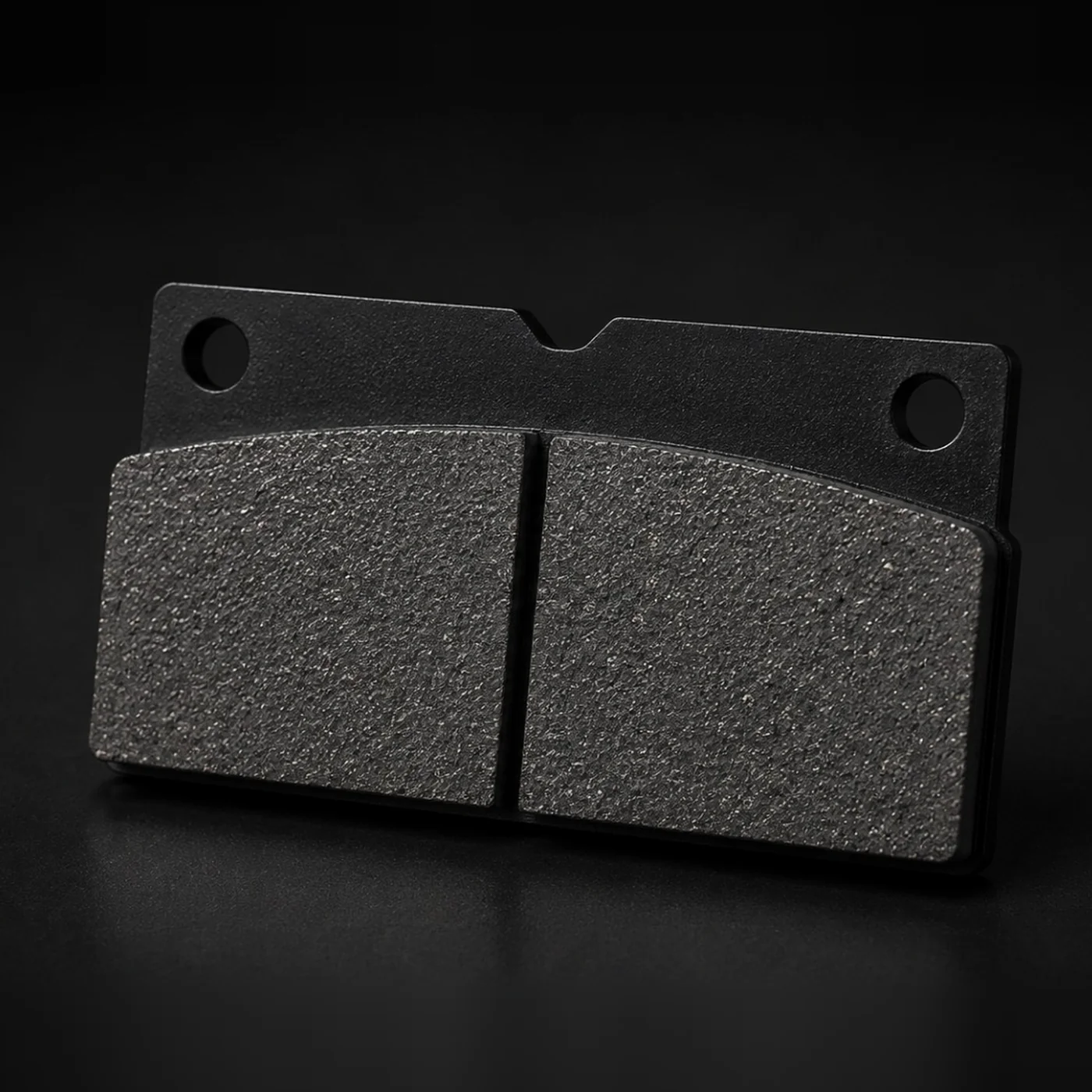
Organic friction materials
FTL develops and manufactures organic friction materials as part of its custom formulation portfolio. An organic route may be assessed where the material family, component construction and agreed test requirements align with the application. The technical review considers required braking or holding behaviour, operating temperature, load and speed, contamination, required wear behaviour, component geometry, bonding and manufacturing requirements, and the evidence needed before the material can be approved.
Discuss an Organic Friction Material Requirement →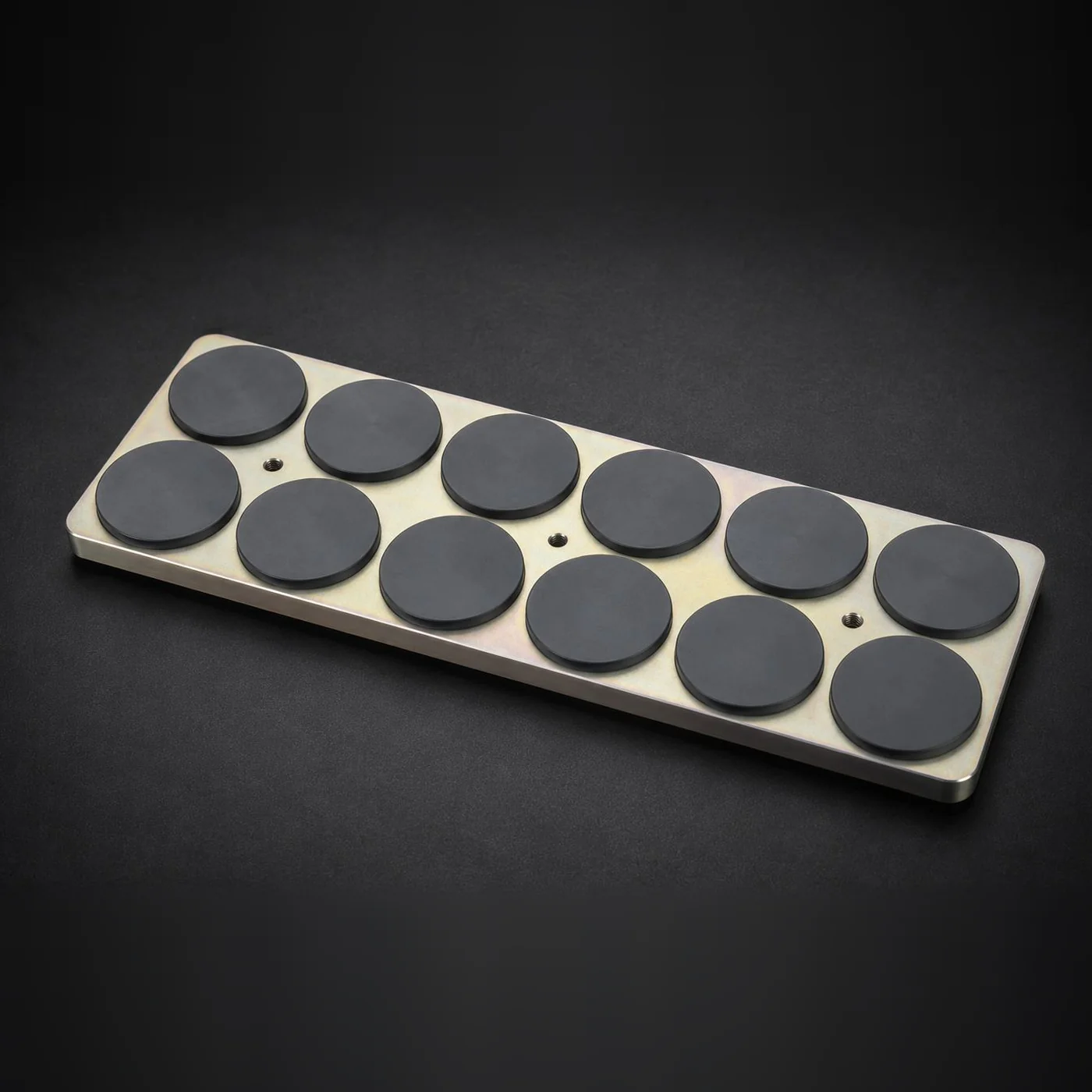
Composite friction materials
FTL works with composite friction materials and can assess whether an established formulation, an optimised formulation or a new development route is appropriate. The word "composite" does not identify one universal performance profile. The proposed formulation must be reviewed against required friction behaviour, wear and thermal requirements, complete-component construction, operating conditions, manufacturing route, and agreed testing and validation responsibilities.
Discuss a Composite Friction Material Requirement → See FTL-207 Yaw-Brake Material →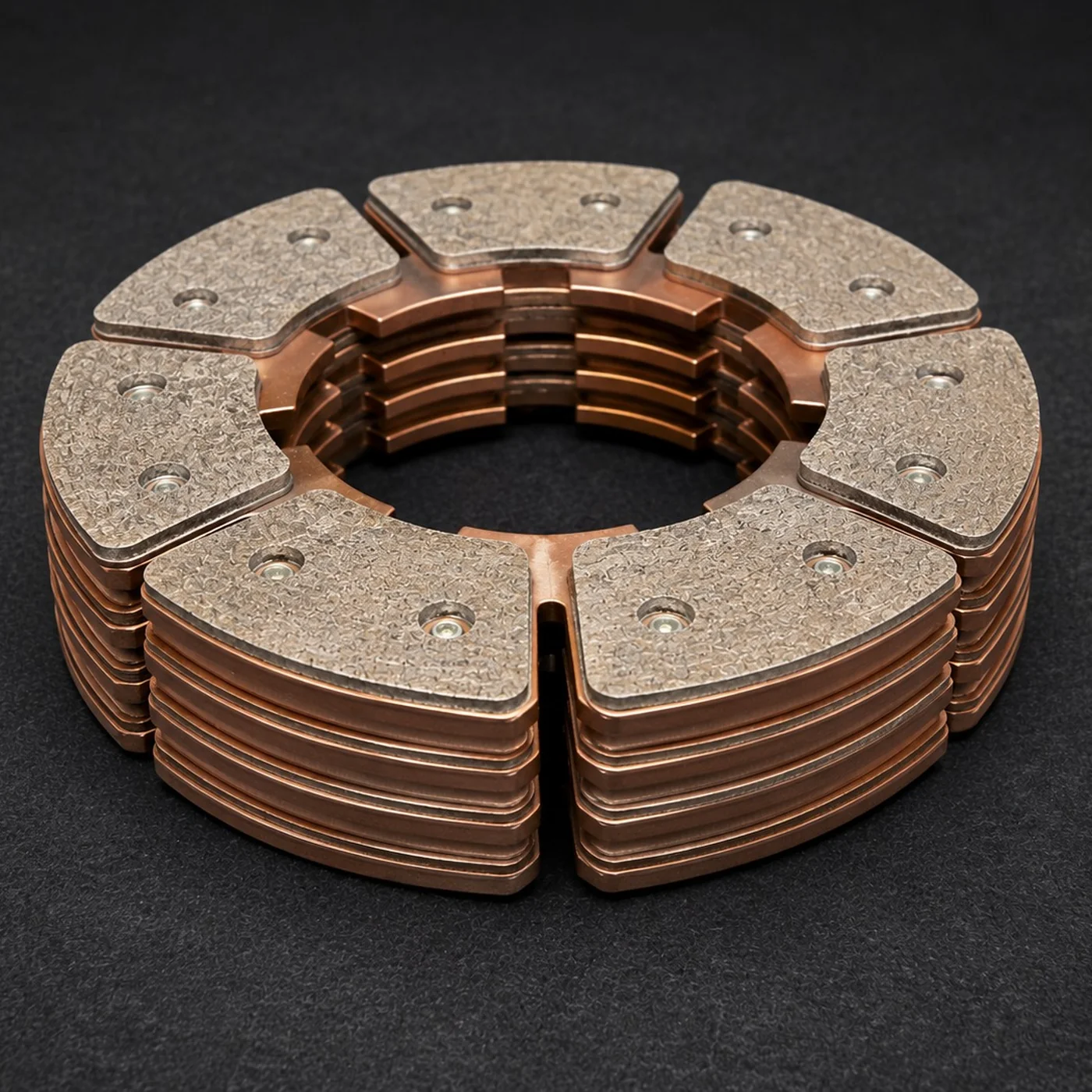
Sintered friction materials
Sintered materials form part of FTL's stated friction-material range. A sintered route may be considered where it is supported by the application, complete component, operating conditions and required evidence. FTL should establish what the component must achieve, which conditions the material must be assessed against, how the friction material will integrate with the component, what prototype or comparative testing is required, and which acceptance and approval responsibilities apply.
Discuss a Sintered Friction Material Requirement →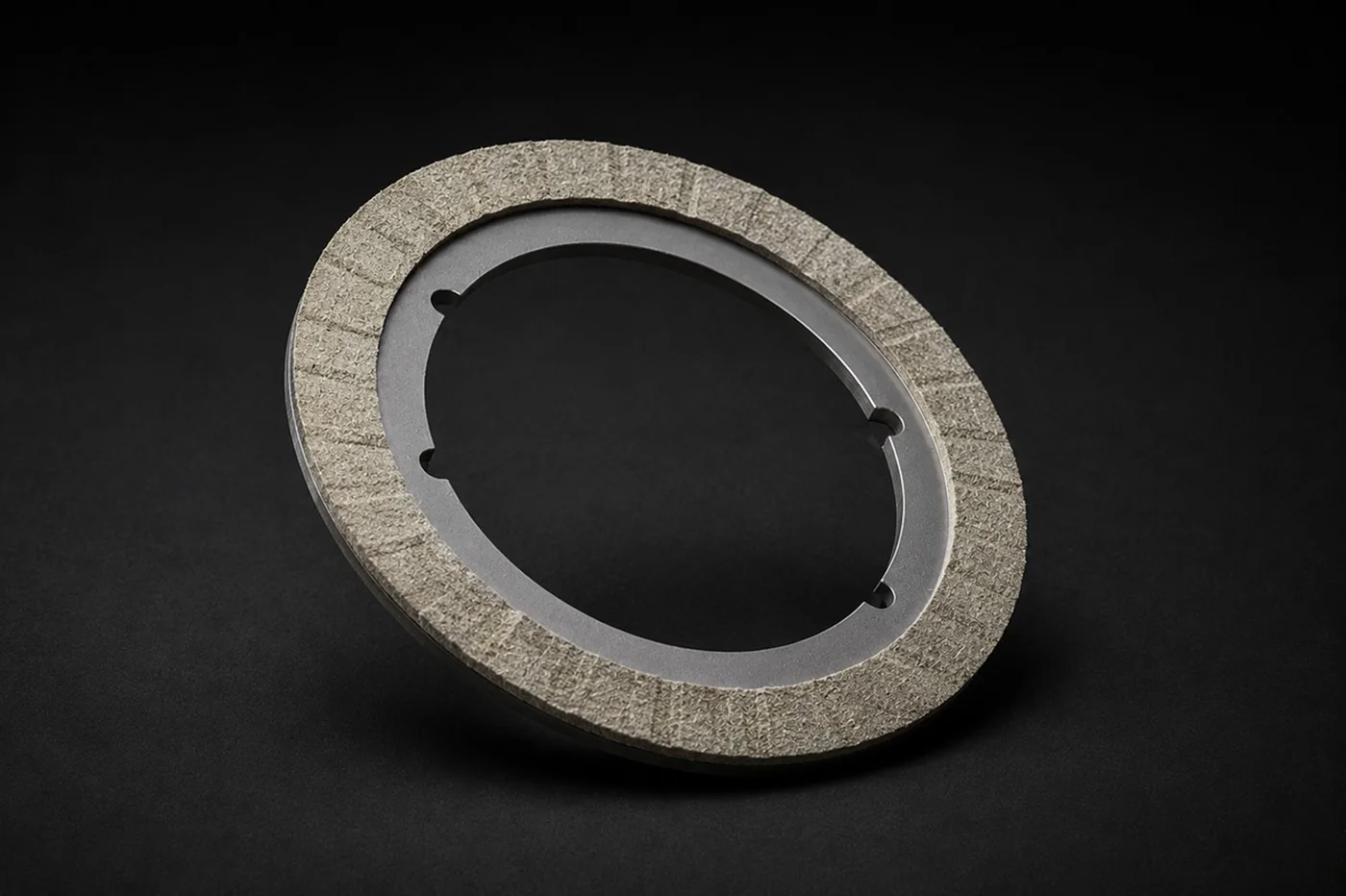
Kevlar friction materials
FTL includes Kevlar friction materials within its stated formulation range. Suitability must be determined from the engineering brief rather than the fibre name alone. The review considers application function, operating environment, component and mating-surface context, required friction and wear behaviour, manufacturing and bonding route, and required testing and inspection.
Discuss a Kevlar Friction Material Requirement →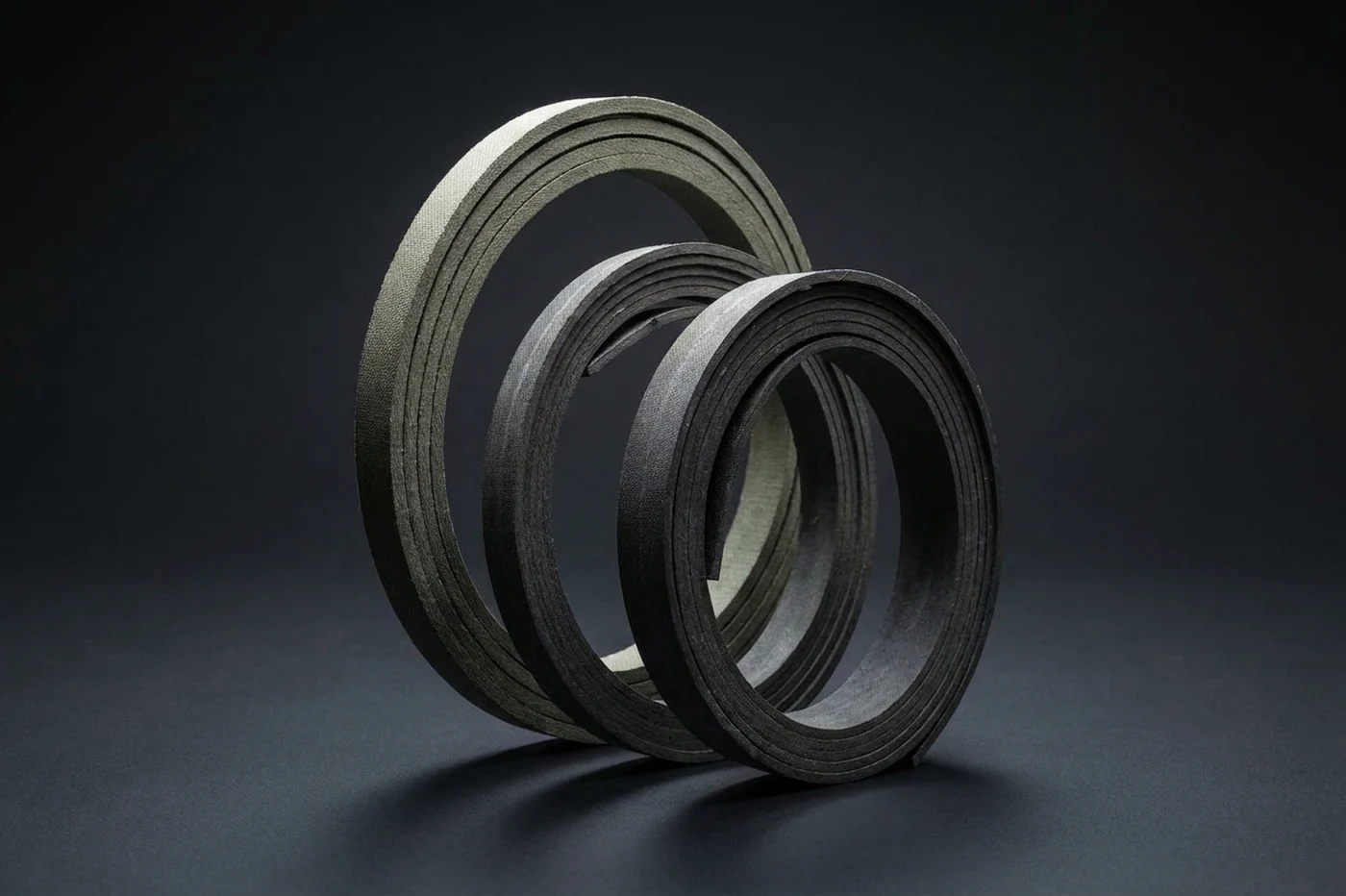
Woven friction materials
FTL also works with woven friction materials. The required material, supplied form, component integration and manufacturing route must be agreed around the individual application. The first discussion should establish the required function, available component or dimensional information, operating conditions, whether material-only or complete-component support is required, and the test and validation evidence needed before supply.
Discuss a Woven Friction Material Requirement →Published material data is a starting point. Final selection depends on the complete application and agreed validation route.
From friction material to complete brake and motion-control component
The friction material is often only one element of the finished requirement.
FTL can connect the material with the relevant geometry, metallic elements, bonding, finishing, assembly, inspection and production controls.
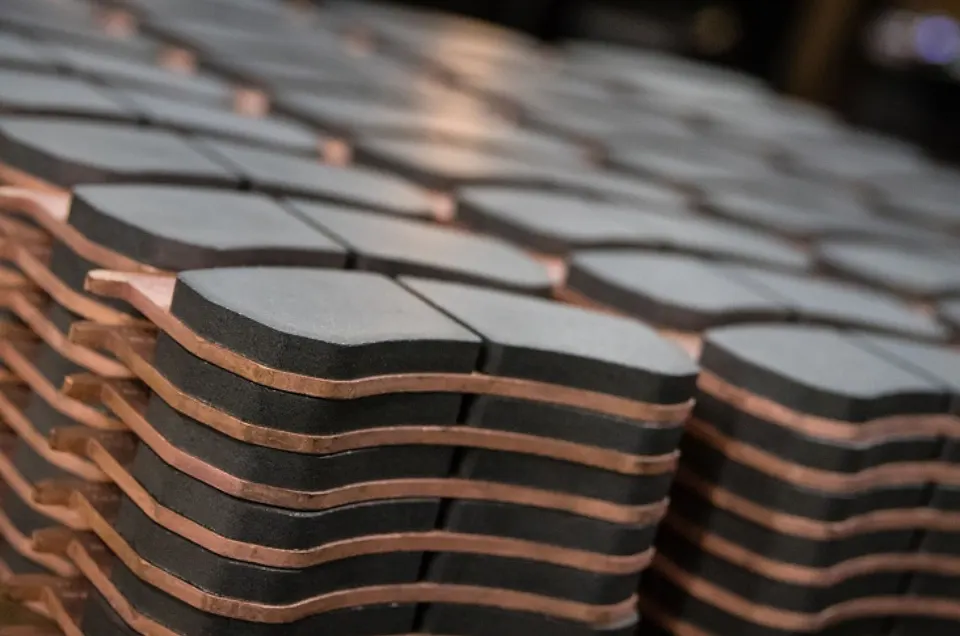
Custom industrial brake pads
FTL manufactures custom industrial brake pads around the application and required manufacturing route. Support can include:
- Friction-material selection or development
- Review or development of component geometry
- Machining of friction and associated metallic components
- Controlled bonding
- Surface preparation
- Finishing
- Testing and inspection
- Repeat manufacture and supply
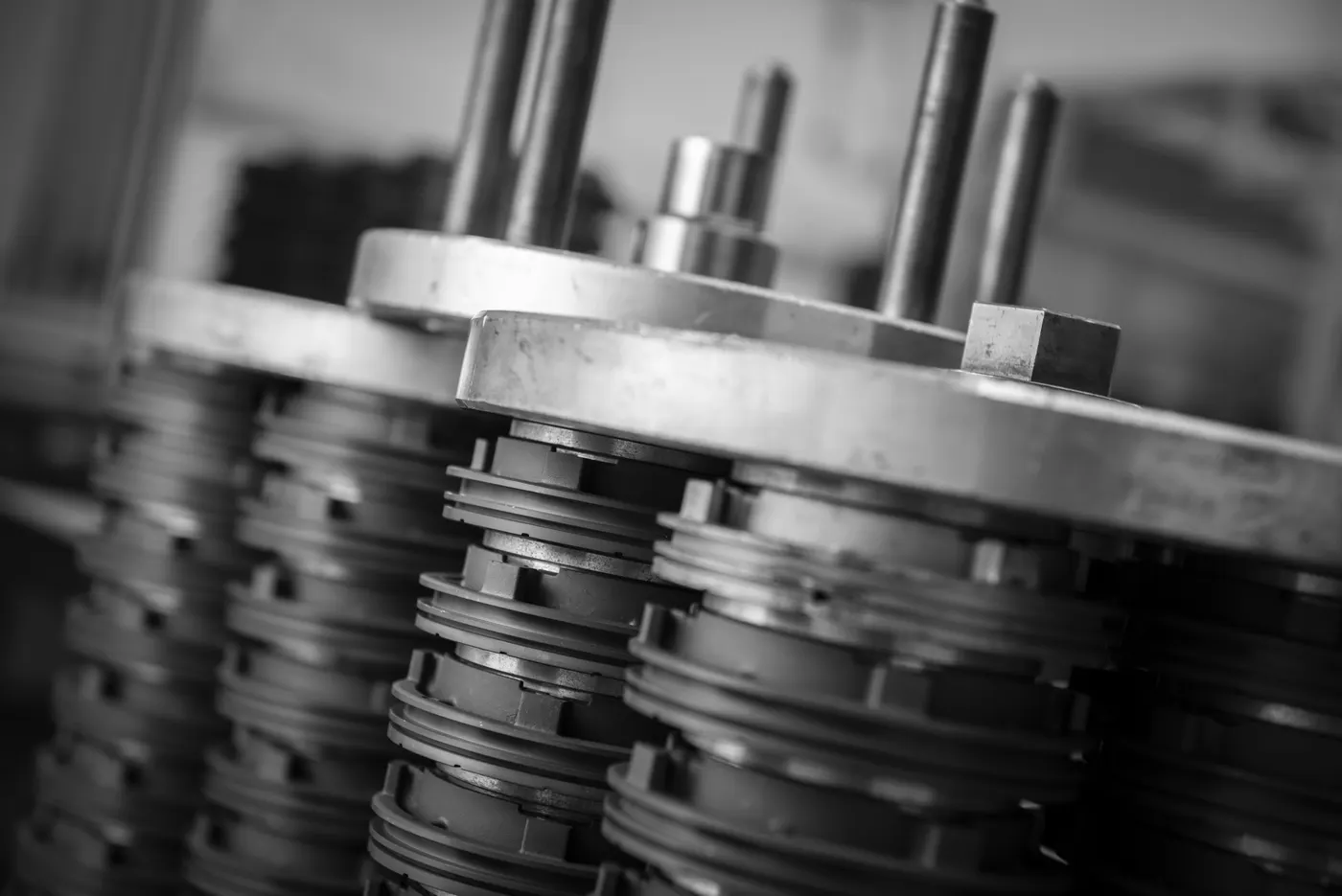
Bonded friction assemblies
FTL can bond friction materials to backing plates or associated components as part of a complete manufacturing route. The agreed scope can include:
- Surface preparation
- Controlled bonding
- UV curing where applicable
- Shear testing
- Finishing
- Final inspection
- Batch and production records
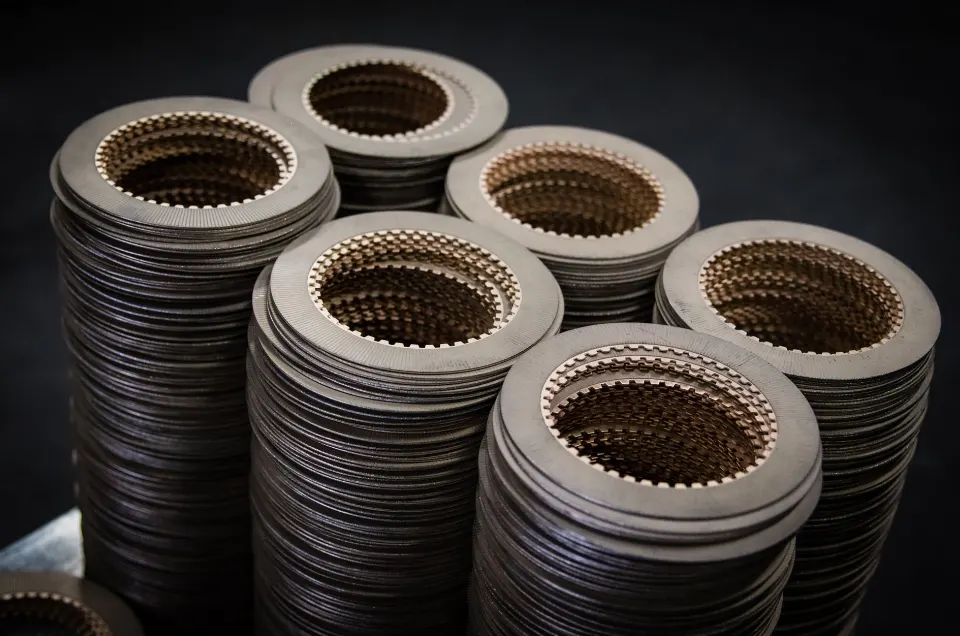
Machined friction components
FTL's CNC capability supports the manufacture of friction components to the agreed geometry and inspection requirements. The route can include:
- Prototype components
- Complex geometries
- Repeat machining
- Component-specific tolerances
- In-process checks
- CMM dimensional inspection
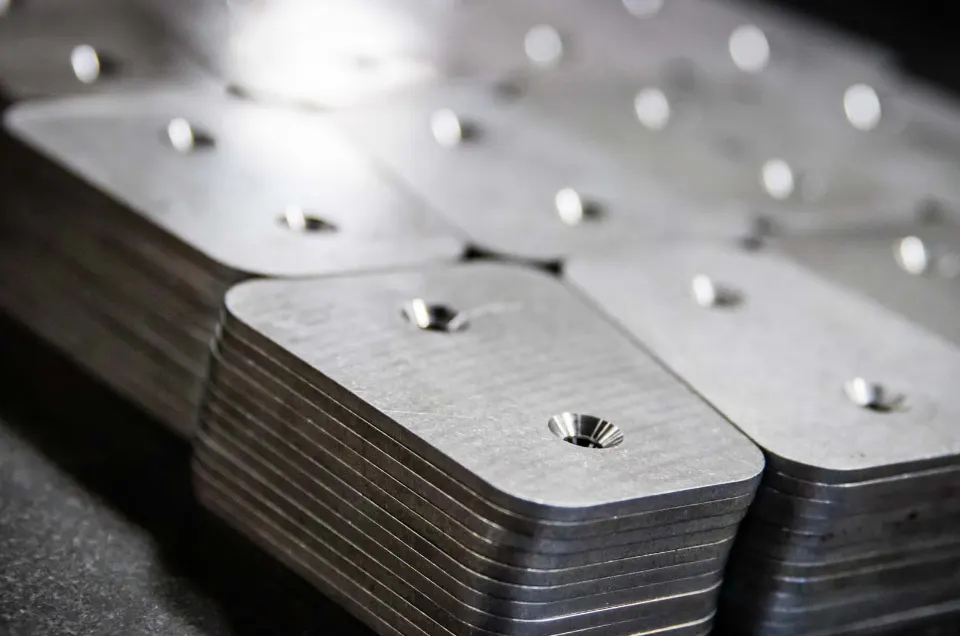
Associated metallic components
Where the project requires a complete component rather than friction material alone, FTL can machine associated metallic elements within the agreed manufacturing scope. The specific backing component, interface, finish and inspection requirements must be defined for each project.
Brake, holding and motion-control components
FTL can assess complete components designed to brake, hold, lock, damp, limit torque or control movement within an actuation system. Confirmed application examples across FTL's strategic sectors include locking pads, holding brakes, brake linings, winch and hoist brakes, rotary dampers and torque limiters. The examples describe component functions and application experience, not stock products available for universal use.
Final geometry, material, component construction, testing and approval responsibilities are project-specific.
What determines the right material and component route?
Six inputs shape the review, from what the component must do through to how it is supplied. The technical conversation works through them in this order.
The required function
What the friction component must do (brake, hold, lock, damp, limit torque or control motion). The function determines which further application information is relevant.
The project starting point
Whether the requirement is a new application, an existing or obsolete component, a performance problem, a prototype, or an established component moving into repeat production.
The operating environment
Temperature, load, speed and contamination, alongside installation space, required braking or holding behaviour and any known wear or thermal concerns.
The complete component
Material selection considered alongside component geometry, mating surfaces, backing or metallic elements, bonded interfaces, finishing, assembly and installation constraints.
The required evidence
The characteristics, dimensions, testing and acceptance criteria to be met, plus production documentation, traceability and the split of customer and FTL validation responsibilities.
The production and supply model
Prototype and expected annual volumes, repeat-production and inspection requirements, inventory, scheduled call-off, packaging, labelling and export or delivery requirements.
Expected annual volume is intentionally discussed after FTL understands the application and technical fit.
Three ways a material or component project can begin
The material and component pages explain what FTL can develop and manufacture. The service route explains the engineering problem being solved.
New Programme Support
For a new application requiring a defined friction-material, component and manufacturing route, from early development through to repeat production.
Legacy & Obsolete Component Reverse Engineering
For a component that is still required after the original material, drawing, supplier or finished part becomes unavailable.
Friction System Performance Optimisation
For an existing material or component with inconsistent braking, excessive or unpredictable wear, thermal concerns or repeatability problems.
What FTL can deliver around the material or component
Not every project requires every stage. FTL can support a defined element or connect the full route from the initial brief through repeat component supply, drawing on friction-material formulation, engineering and design, CNC machining, bonding and finishing, and testing and inspection, alongside the traceability, documentation and repeat-supply controls those stages require.
A controlled path from material requirement to repeat component supply
The precise route varies by application, but each stage should provide enough evidence to support the next engineering decision.
Define the application
- What the component must do
- New, existing or obsolete
- What prompted the enquiry
- Known operating conditions
- Technical information available
Establish requirements and evidence gaps
- Function, temperature, load, speed, contamination
- Geometry and interfaces
- Performance requirements
- Drawings and specifications
- Testing and documentation needs
- Unknowns identified, not assumed
Define the material and component route
- Which material family may be relevant
- Whether an established formulation is available
- Whether material development is required
- Whether component engineering is required
- Which manufacturing stages may apply
- What must proceed to prototype
Agree the prototype and test plan
- Material or component variants
- Prototype quantity
- Manufacturing stages
- Dimensions and characteristics to inspect
- Tests to complete and acceptance evidence
- FTL and customer responsibilities
Manufacture the prototype components
- Friction-material production
- Component machining
- Bonding
- Surface preparation
- Finishing
- Assembly
- Inspection
Test, inspect and refine
- Complete agreed testing and inspection
- Review evidence against defined requirements
- Revise material, component or production route where the evidence requires it
Support validation and approval
- Engineering, manufacturing, testing, inspection and traceability evidence within scope
- Final component, system, customer or regulatory approval responsibilities defined per project
Transfer into controlled supply
- Repeat-production controls
- Inspection and traceability requirements
- Inventory holding
- Scheduled call-off
- Customer-specific packaging and identification
- Export documentation and international delivery
Use technical data as a starting point, not a substitute for application review
A material data sheet can help an engineering team identify possible starting points, but it does not establish suitability for every component or operating environment. Final selection still depends on the complete component, real operating conditions and an agreed test and validation route.
Published data is a starting point, not a suitability guarantee. The data sheets page sets out what approved data can support, what it cannot establish alone, and how version control is applied.
Keep the friction material connected to the finished component
A fragmented supply route can divide material development, machining, bonding, finishing, inspection and delivery among several organisations.
FTL can connect the relevant stages through one manufacturing chain, helping maintain alignment between the material decision, component construction and repeat-production controls.
The single-source manufacturing page sets out the connected route in full, from application review through to worldwide supply, and what one accountable chain can mean for the customer. Actual lead-time, procurement or cost benefits depend on the customer's existing supply arrangement and the agreed FTL scope.
Custom materials and components for demanding industries
The material family and complete-component route are determined by the individual application, not by the sector name alone.
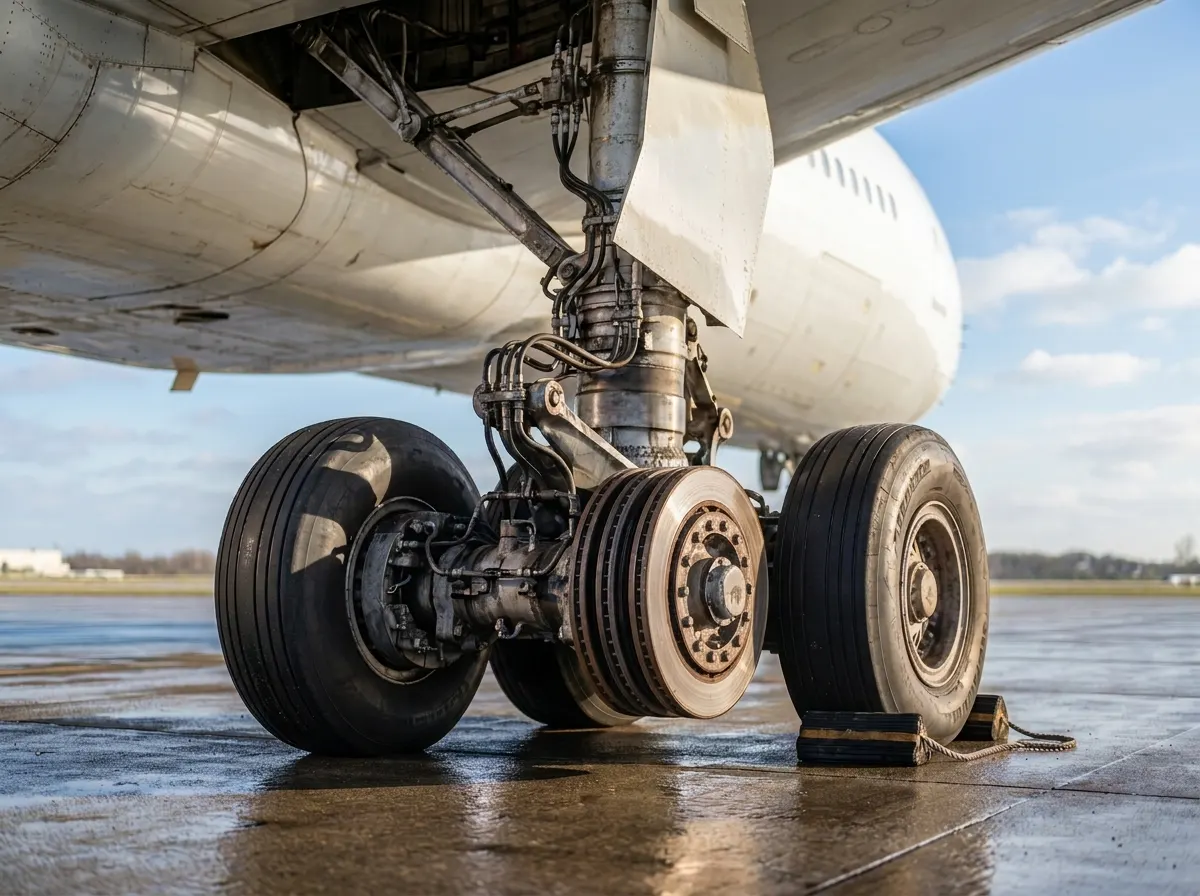
Aerospace
Custom friction materials and components for braking, locking, holding, actuation and motion-control requirements, supported by defined traceability and validation responsibilities.
Aerospace Friction Materials & Components →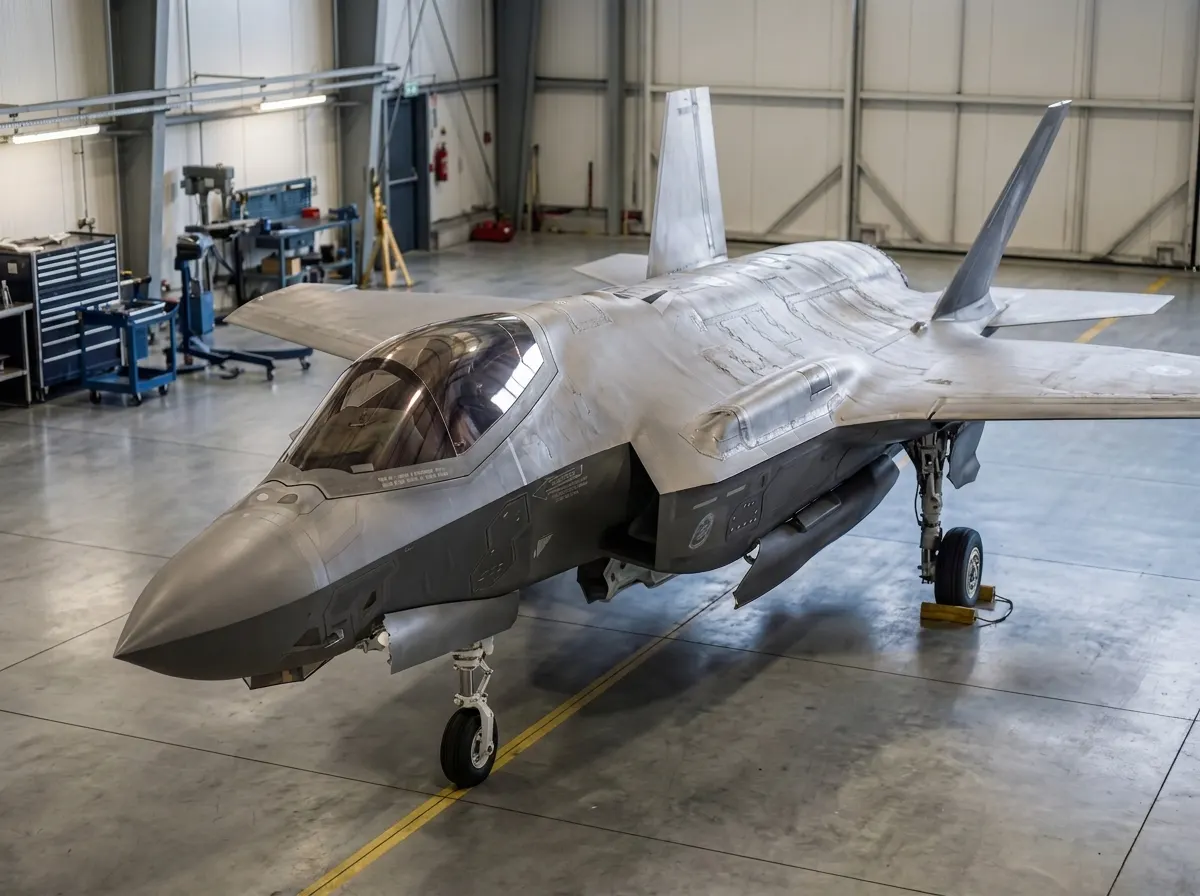
Defence
Engineering and manufacturing support for defence friction components where supplier assurance, documentation, traceability and programme continuity matter.
Defence Friction Materials & Components →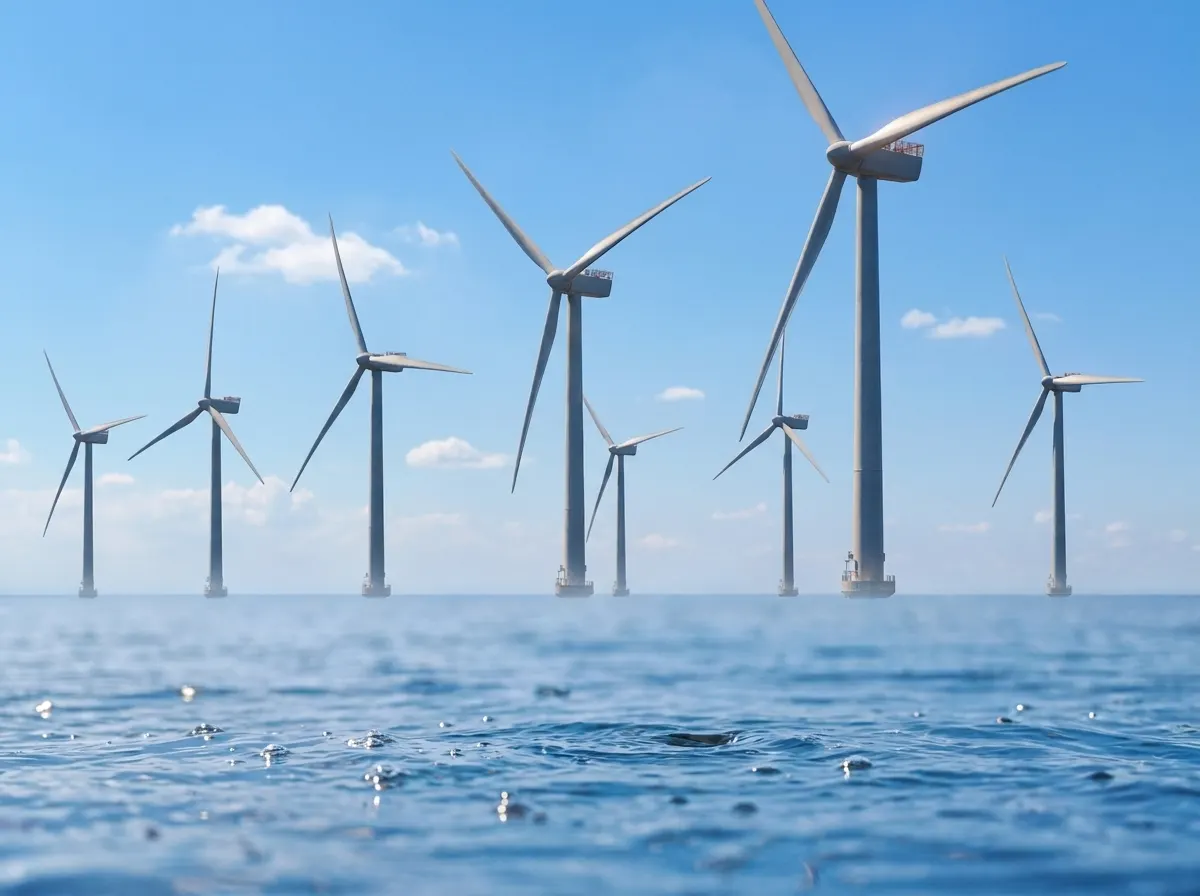
Wind Energy
Custom friction-material and component support for yaw-brake and related wind-energy requirements, including new development, performance review and obsolete-component continuity.
Wind Turbine Friction Materials & Components →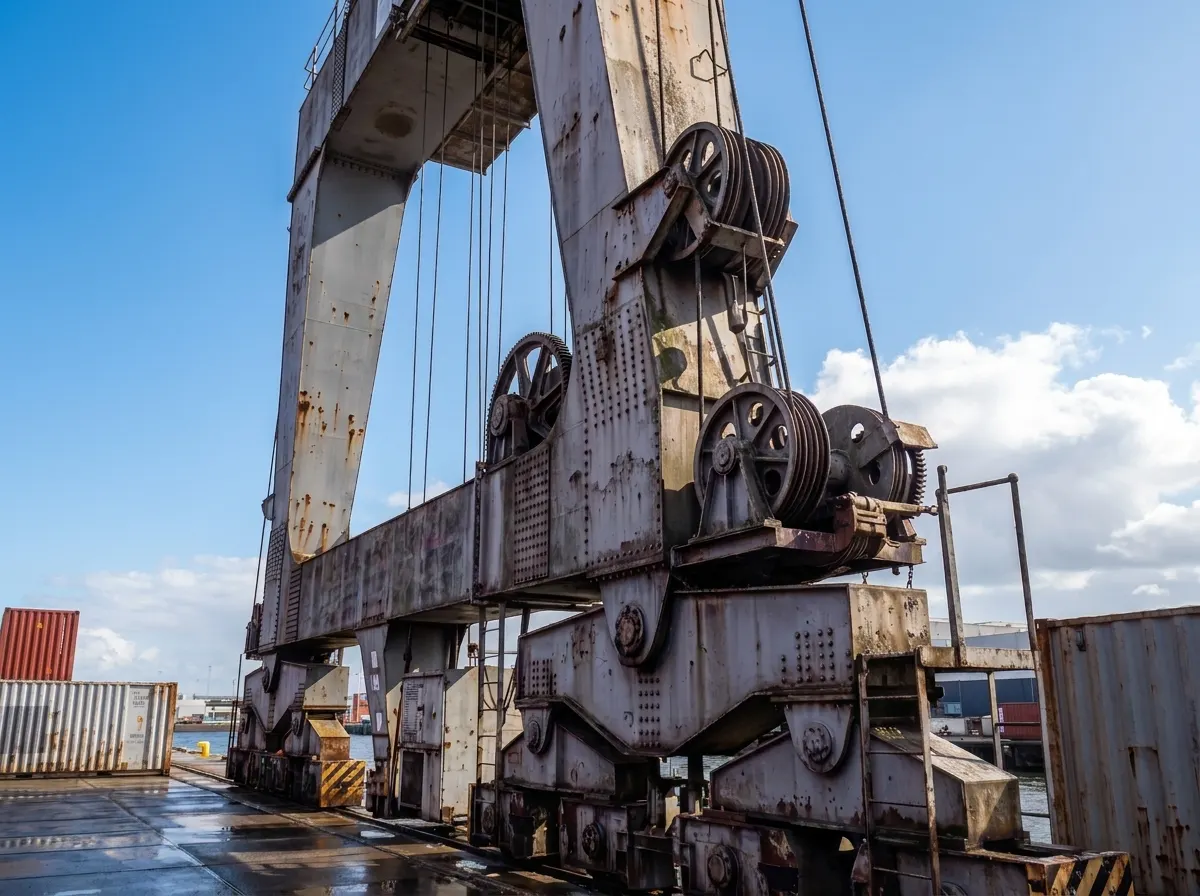
Industrial Equipment
Custom materials and components for industrial braking, crane, motor, safety-equipment and motion-control applications.
Industrial Friction Materials & Components →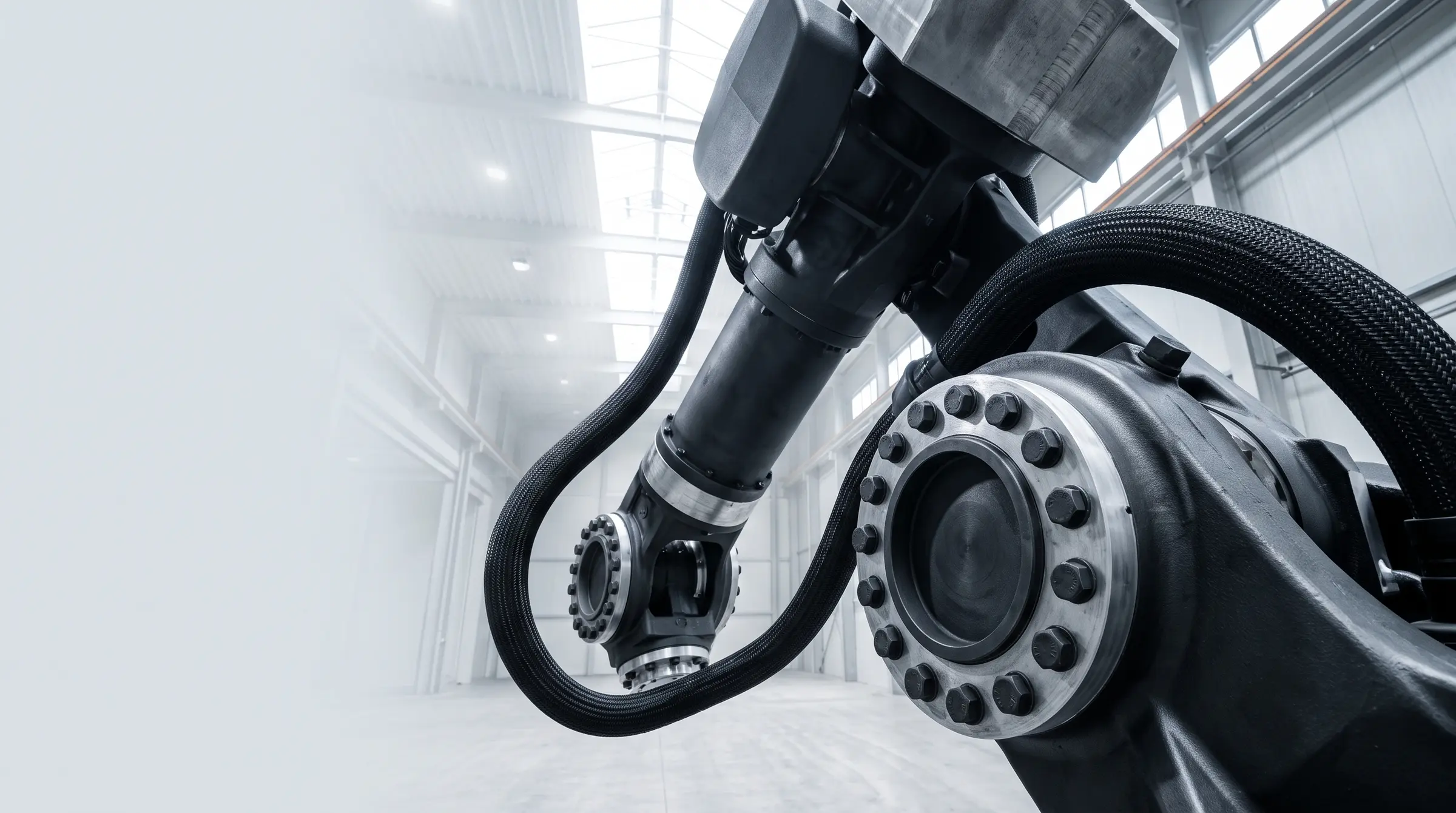
Robotics
Custom friction materials and components for holding, braking and controlled-motion requirements in industrial robots, collaborative robots and robotic joints.
Robotics Friction Materials & Components →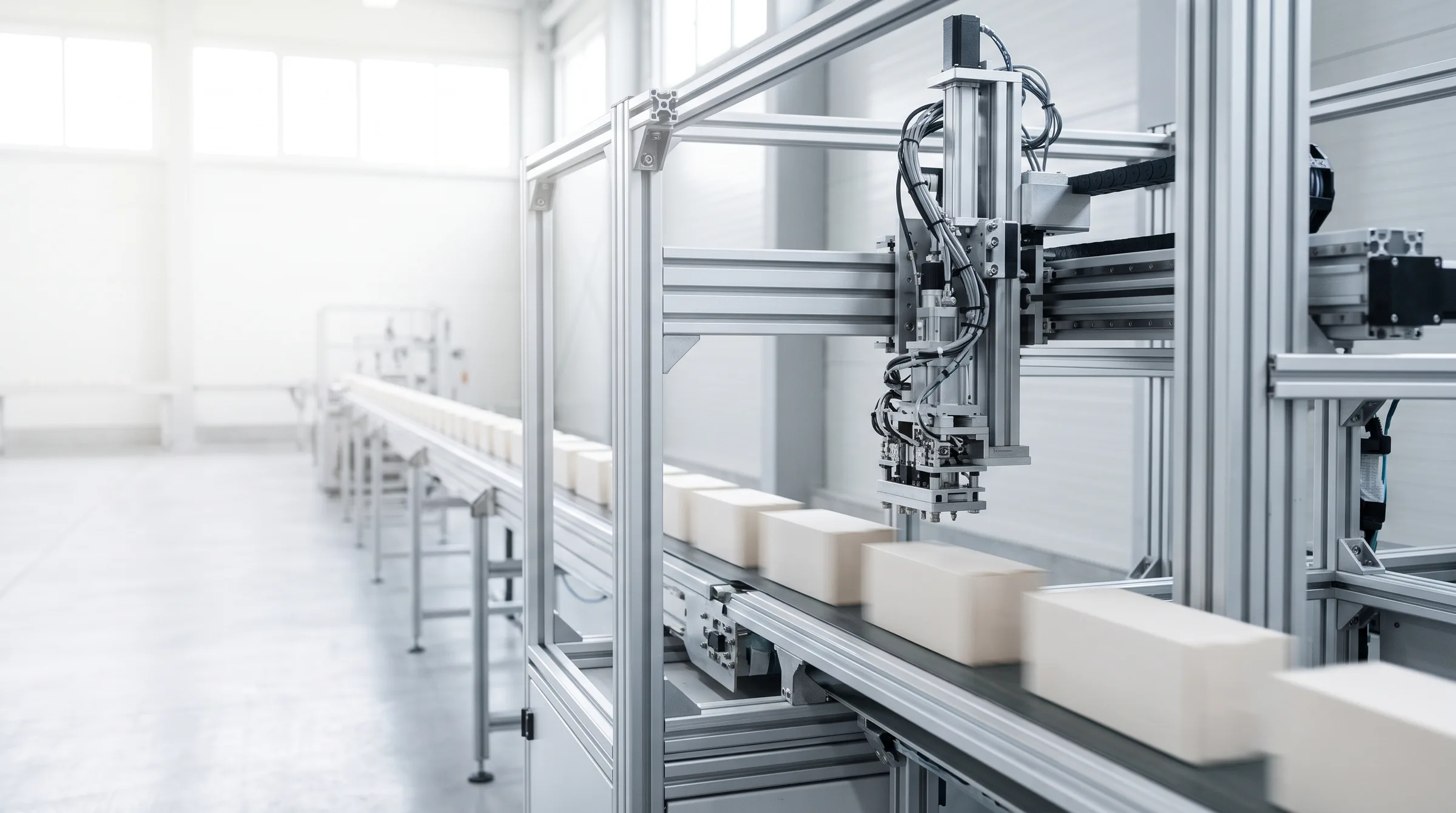
Industrial Automation
Materials and components for servo motor brakes, electromagnetic brakes, linear actuators and high-cycle clutches in automated equipment.
Automation Friction Materials & Components →Material and component engineering backed by controlled manufacture
SDTS approached FTL after an original aircraft brake pad became unavailable. FTL redesigned the pad, established a replacement material route and manufactured a component aligned with the stated aeronautical technical requirements, supporting SDTS's modification-certification process.
“To continue flying our aircraft, we approached FTL to find replacement solutions for our brake pad problem, as the original part was no longer available on the market. The quality of our discussions, from both a technical and commercial standpoint, FTL's responsiveness in redesigning the pad with a material that meets aeronautical technical requirements, and their ability to adapt to our aeronautical environment allowed us to certify a modification applicable to our aircraft. The quality of the manufactured product is remarkable. Thanks to FTL, we can continue to fly, land, and brake safely.”
Olivier Moulin 
Material and component work is supported by FTL's quality systems and registrations, along with inspection, testing, traceability and production documentation agreed per project. The quality and certifications page sets out the standards, scope and inspection evidence in full.
View Quality & Certifications →Customer logos





Is FTL the right route for your friction requirement?
FTL is a strong fit when:
- Your team has an engineering brief rather than a standard purchasing request
- A custom friction material is required
- The project needs a complete brake or motion-control component
- A new programme needs support from early development into production
- An existing material or component is underperforming
- A legacy component or source has become obsolete
- Prototype work may need to progress into repeat manufacture
- Testing, inspection and traceability matter
- You want the material and component stages managed through one accountable route
- The finished components require scheduled or international supply
A different route may be more appropriate when:
- You need an off-the-shelf item immediately
- You are purchasing solely by part number
- You need an online product catalogue
- Price is the only selection criterion
- No engineering or manufacturing review is required
- You are seeking a consumer replacement brake product
Frequently asked questions about custom friction materials and components
What friction materials does FTL work with?
How do I choose between organic, composite, sintered, Kevlar and woven materials?
Does every project require a new friction formulation?
Can FTL supply friction material without manufacturing the complete component?
Can FTL manufacture the complete brake component?
Does FTL manufacture industrial brake pads?
Can FTL work from an existing component?
Do I need a finished drawing?
Can FTL match or improve an existing material?
Is every FTL material already proven in service?
What testing and inspection can FTL support?
Do the technical data sheets confirm suitability for my application?
Can prototype work progress into repeat production?
How quickly can FTL develop or supply a material or component?
When are price and annual volumes discussed?
Does FTL sell standard friction products by part number?
Can FTL supply customers outside the UK?
Ask an FTL engineer about materials and components
A part number, a machine, or the problem in your own words.
Bring FTL the material requirement, component or application problem
Tell FTL what the component needs to do, what information your team currently has and what has prompted the enquiry.
A short initial brief is enough.
The relevant technical, engineering and commercial team members can then review the operating conditions, material route, component requirements and most appropriate next step.
Optional drawing or specification upload available. No standard price, catalogue selection or guaranteed programme timescale is required before the first conversation.