Friction system performance optimisation for inconsistent braking, wear and thermal problems
When a friction system is not behaving as required, changing the material without understanding the complete application can move the problem rather than resolve it.
FTL helps engineering teams investigate inconsistent braking, excessive or unpredictable wear and thermal-performance concerns.
We review the current component, application, operating conditions and available evidence before assessing whether the contributing factors may relate to the friction material, component design, manufacturing route or operating environment.
An agreed improvement route can then progress through material selection or formulation, component development, prototype manufacture, testing, validation support and controlled repeat production.
This service is for an existing component or friction system that remains available but is not performing as required.
When a friction system needs structured performance review
Begin with the behaviour the engineering team is observing, not with an assumption that one material change will solve it.
Braking or holding behaviour is inconsistent
The component does not deliver the required level of repeatability across the known operating conditions. Useful starting evidence: a description of when the inconsistency occurs, current drawings or specifications, existing performance requirements, available test information, current component samples or photographs.
Wear is excessive or unpredictable
The friction component is wearing more quickly than expected, service intervals are inconsistent, or behaviour changes as the component progresses through its operating life. The review must consider the application conditions and current component route before proposing a different material.
Thermal conditions are affecting performance
The system is operating under temperatures or repeated energy input that appear to affect friction behaviour, wear or component durability. The relevant temperature, load, speed and operating information should form part of the technical brief.
Performance varies between components or production batches
The engineering team needs to understand whether the available evidence points towards material behaviour, component manufacture, bonding, dimensional variation or another part of the production route.
The current material no longer meets the programme requirement
The application, acceptance criteria or operating conditions require a reassessment of the existing friction-material and component route.
A production programme needs further refinement
An established FTL programme has moved into a stage where material behaviour, component construction or production evidence requires additional engineering work.
Separate the observed symptom from the contributing factors
A friction-material change should not be recommended from the symptom alone.
The technical review considers the available evidence across the material, complete component, operating environment and production route before an improvement plan is proposed.
Friction-material behaviour
The review can consider current material or known formulation information, required friction behaviour, coefficient stability, wear rate, thermal performance, available test results, and whether an established, optimised or newly developed material route should be assessed.
Custom Friction Material Formulation →Component and system design
The review can consider available component geometry, installation and interface information, bonded or assembled construction, the role of the component within the wider brake or motion-control system, and whether a component change should be considered alongside the material.
Engineering & Design Support →Operating conditions
The technical discussion should establish what is known about temperature, load, speed, contamination, required braking or holding function, the conditions under which the problem appears, and differences between the intended and actual operating environment.
Manufacturing and repeatability evidence
Where relevant and available, the review can include dimensional information, inspection records, material or production-batch information, bonding or assembly evidence, in-process records, final inspection evidence, and batch and lot traceability.
Testing & Inspection →The purpose of this review is to identify the most appropriate next engineering step. It does not imply that FTL can establish a definitive cause without sufficient application information, component evidence and agreed testing.
Turn a performance concern into a defined engineering route
Performance optimisation is an evidence-led engineering process rather than a promise that one material substitution will deliver an immediate improvement.
The intended outcome is a clearer understanding of the problem and an agreed route for material, component, testing or production work.
Start with the problem your team can observe
Optional worked examples: how a described symptom maps to the review objective and the evidence that helps. It is a preparation guide, not a mandatory enquiry form.
FTL will determine the relevant information after the first technical conversation.
Potential engineering outcomes
- A defined description of the observed performance problem
- A clearer view of the operating conditions and known constraints
- Identification of the evidence still required
- An agreed set of performance or acceptance requirements
- A decision on whether material-development work is appropriate
- A decision on whether component or production changes should also be assessed
- A prototype and comparative-test plan
- An agreed validation and approval route
- A documented decision on whether the proposed change should progress
Potential manufacturing and supply outcomes
- A revised friction formulation or selected material route
- A revised complete-component manufacturing route
- Controlled machining, bonding, finishing and assembly
- Defined inspection and traceability requirements
- Progression into controlled repeat manufacture
- Scheduled call-off and lifecycle supply where agreed
The project may conclude that further system-level evidence is required before a material or component change can be recommended. FTL will not guarantee an improvement before the application, test conditions, acceptance criteria and respective validation responsibilities have been agreed.
What to bring to the first performance discussion
Begin with what is known. Your team does not need to have established the cause before contacting FTL.
Describe the application
What the application is, what function the friction component performs, whether it brakes, holds, locks, damps or controls motion, whether the component is already manufactured by FTL, and the current programme or production stage.
Describe the observed behaviour
What is inconsistent or underperforming, whether the concern relates to braking, wear or thermal behaviour, when the problem was first observed, whether the behaviour is continuous or occurs under particular conditions, and what the system is expected to do instead.
Share the known operating environment
Temperature, load, speed, contamination, available installation constraints, and required braking or holding behaviour.
Provide available technical evidence
Drawings, specifications, current material information, existing components, photographs, inspection records, test results, performance requirements, and batch or production records.
Leave detailed commercial qualification until later
Expected annual volumes and the detailed commercial scope are discussed after the application and technical fit have been established.
A drawing, component or test report is helpful but is not mandatory for the first conversation.
What a performance-optimisation engagement can include
The scope is determined by the application and available evidence. Not every project requires every stage.
A typical engagement draws on a connected sequence: application and performance review, structured investigation of the contributing factors, material selection or formulation where appropriate, component engineering and design support, prototype and comparative-component manufacture, testing and inspection, validation and implementation support, then controlled production and ongoing supply.
This establishes what should be tested or changed. It does not assume the friction material is automatically responsible.
An evidence-led path from performance problem to production decision
Each stage should answer a defined question before the project moves forward.
Define the observed problem
- What behaviour is observed
- What the system is expected to do
- What prompted the review
- What information is available
- Whether suited to FTL's capabilities
Establish the application and operating conditions
- Application, required function
- Temperature, load, speed, contamination
- Available component information
- Existing specifications
- Known performance requirements
Review the existing component and evidence
- Component, drawings, material information
- Test results, inspection records
- Production records, batch or lot information
- Customer observations
- Gaps recorded, not assumed
Identify the factors requiring investigation
- Friction material
- Component design
- Operating conditions
- Manufacturing consistency
- Bonding or assembly, dimensional control
- Or a combination of these areas
Agree the proposed improvement route
- Material-selection or formulation work
- Component-development work
- Prototype and manufacturing stages
- Inspection and test conditions
- Acceptance evidence and responsibilities
Manufacture the prototype or comparative components
- Relevant formulation, machining, bonding, finishing, assembly and inspection stages
Test and compare
- Agreed material, dynamic, dimensional or bond testing
- Results reviewed against the agreed requirements
- Testing answers a defined engineering question
Refine where the evidence requires it
- Material, component or manufacturing route revised where results indicate further work is required
Support validation and approval
- FTL supplies the technical, manufacturing, test and inspection evidence within its agreed scope
- Customer or appointed authority completes required system-level or regulatory evaluation
Transfer the approved route into controlled production
- Repeat manufacture, inspection, traceability
- Inventory, packaging and delivery requirements
Testing should answer a defined engineering question
A single friction value does not describe how a material or complete component will behave across every operating condition.
The test scope must be agreed around the application, available equipment, required evidence and decisions the project needs to make.
Coefficient stability
The project may need to assess whether friction behaviour remains sufficiently consistent across the agreed test conditions. The acceptance criteria must be defined for the application rather than assumed from a generic value.
Wear-rate assessment
Wear testing can provide evidence about how a material behaves under the agreed test conditions and whether a proposed material route should progress. Laboratory or component-level findings must still be interpreted within the context of the actual application.
Thermal-performance assessment
Testing can assess material behaviour under the agreed thermal conditions and identify whether performance remains stable enough for the next programme decision. The test conditions should not be described as representing the complete service environment unless that has been formally established.
Bond integrity
Where the friction material is bonded to a backing plate or another component, shear testing can form part of the agreed production and validation evidence.
Dimensional evidence
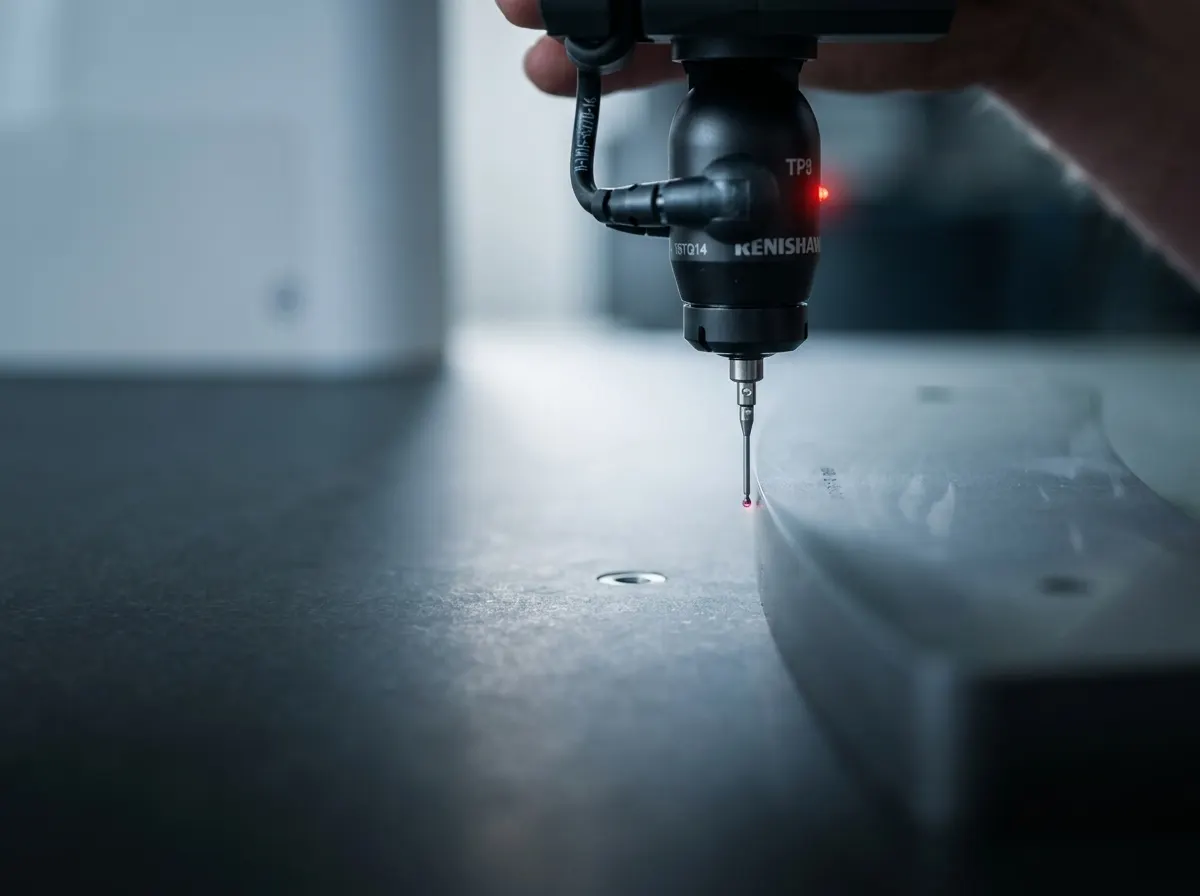
CMM inspection can verify relevant component dimensions and support comparison between prototype, approved and production components.
Production consistency
In-process checks, final inspection, batch records and lot traceability can support repeatable manufacture after an improved route is approved.
FTL's test capability supports engineering and manufacturing decisions within the agreed scope. It is not automatic proof of complete system performance or final regulatory approval.
The appropriate solution may involve more than a new material
The engineering review determines which route is supported by the available evidence.
Select an established friction formulation
An existing FTL material may provide a suitable route when its characteristics align with the application and agreed requirements.
Optimise an existing formulation
An established material may require further development around the required friction behaviour, wear or thermal performance.
Develop a different material route
Where existing formulations are not appropriate, the project may require a new formulation and prototype-test cycle.
Review the complete component
The engineering evidence may indicate that the component geometry, construction, bonding, finishing or manufacturing route should be assessed alongside the friction material.
Strengthen production and inspection controls
Where the concern relates to consistency, the appropriate route may include revised process, inspection, traceability or component-control requirements.
Gather further application evidence before changing the component
A responsible review may conclude that the operating environment or system-level evidence must be better understood before a material or component change is made.
Keep the engineering change connected to the production route
Performance work can become fragmented when the material developer, component manufacturer, bonder, test provider and production supplier operate separately. FTL can connect the relevant stages through one accountable route, helping ensure the engineering decision is carried into the manufactured component and its production controls.
Engineering capability backed by in-house manufacture and inspection
Performance recommendations are supported by FTL's in-house engineering, testing and manufacturing route.
Performance optimisation for regulated and demanding applications
The engineering route is determined by the individual application and available evidence, but performance concerns can arise across FTL's strategic sectors.
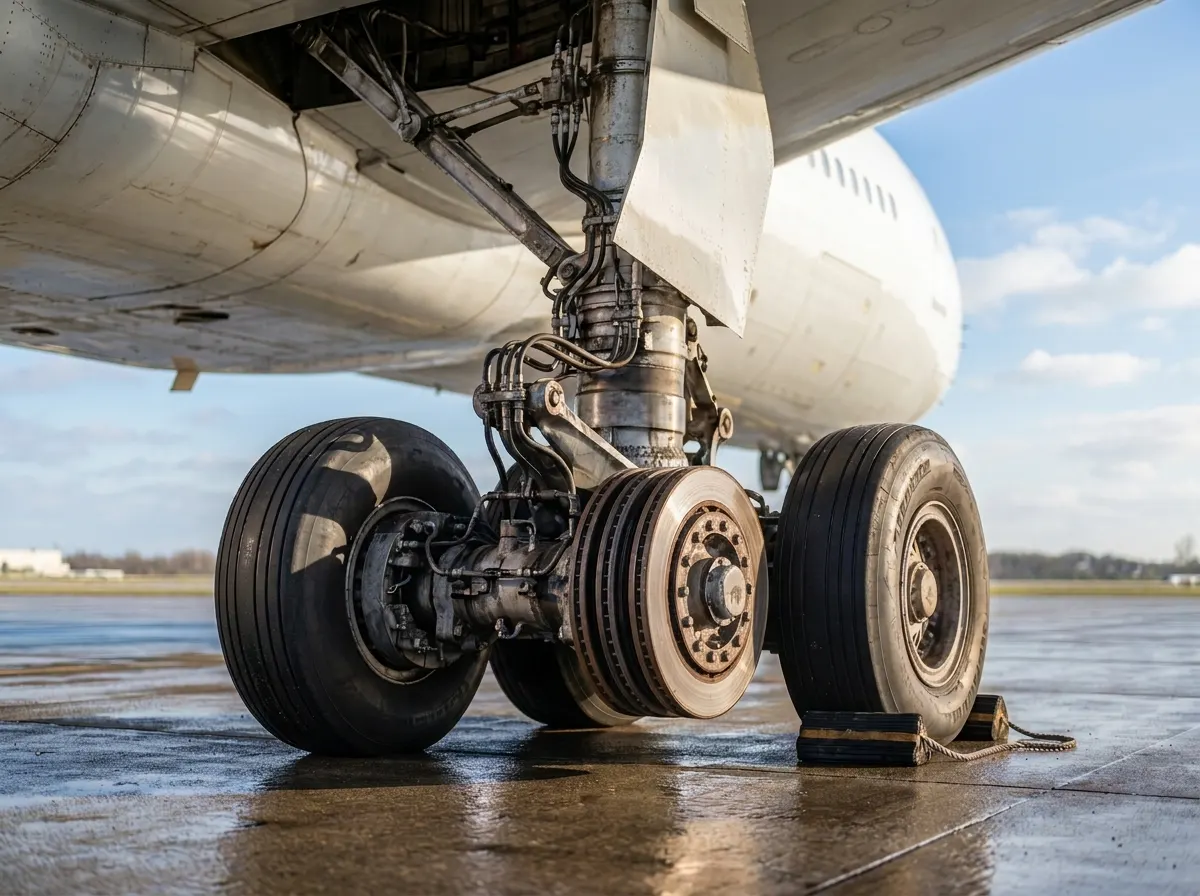
Aerospace
Review of friction and motion-control components where braking consistency, wear, thermal behaviour, traceability and defined validation responsibilities are important.
Aerospace Friction Materials & Components →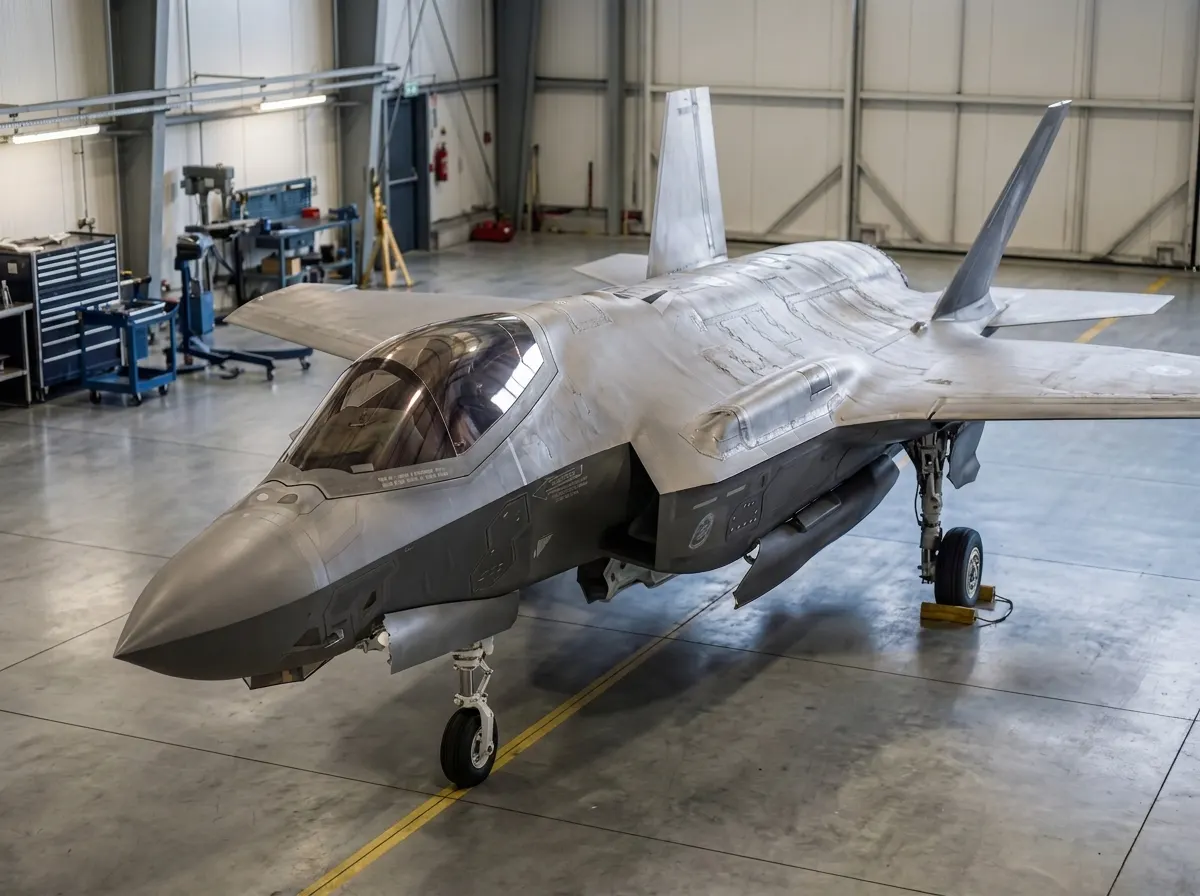
Defence
Engineering and manufacturing support for existing friction systems where performance, production repeatability, documentation and supply continuity require controlled review.
Defence Friction Materials & Components →
Wind energy
Review and development support for friction materials and components used in yaw-braking and related wind-energy applications.
Wind Energy Friction Materials & Components →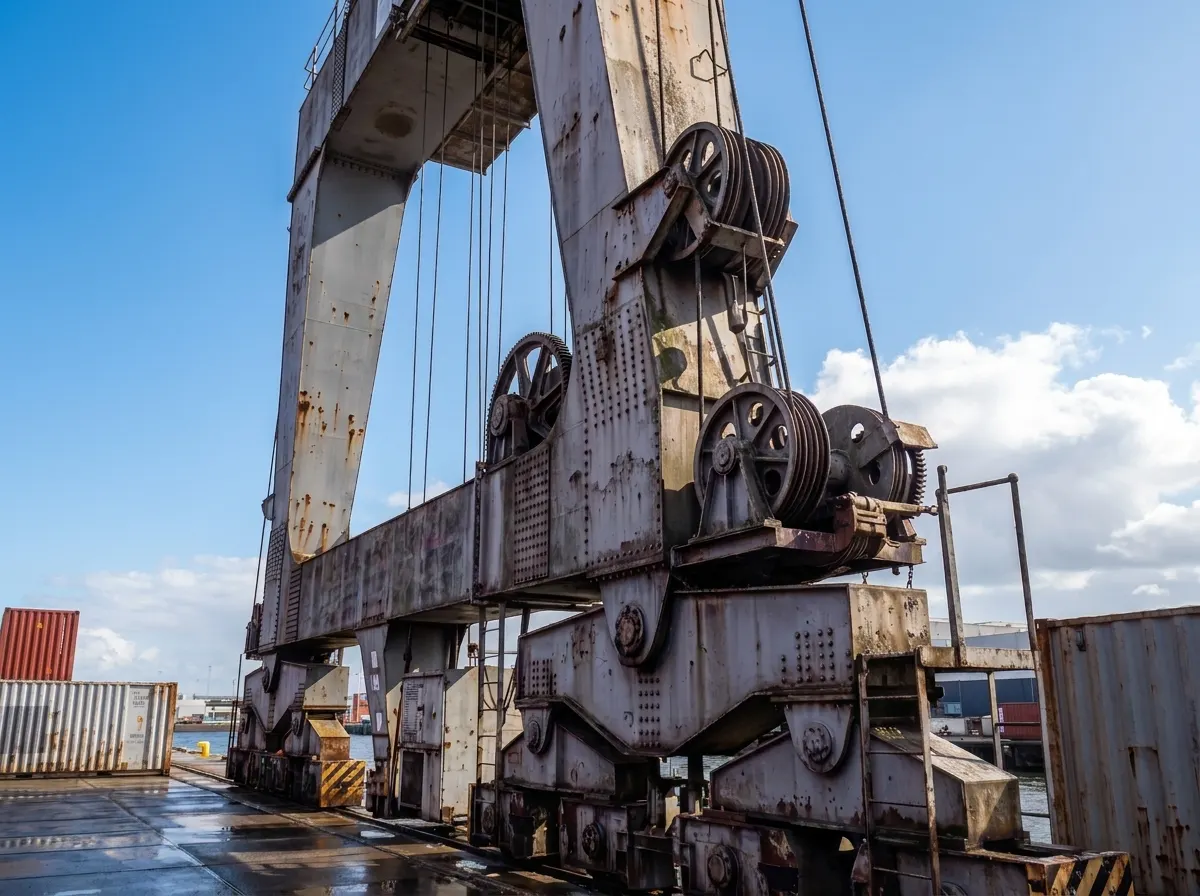
Industrial equipment
Performance review for industrial braking, holding, crane, motor, safety-equipment and motion-control components.
Industrial Friction Materials & Components →
Robotics
Review of holding torque, wear and repeatability in braking and controlled-motion components used in industrial and collaborative robots.
Robotics Friction Materials & Components →
Industrial automation
Performance review for servo motor brakes, electromagnetic brakes and high-cycle clutches where cycle life and stopping consistency matter.
Automation Friction Materials & Components →Frequently asked questions about friction system performance optimisation
What is friction system performance optimisation?
What problems can FTL investigate?
Is the friction material always the cause?
Can FTL guarantee improved performance?
What information should we provide?
Can FTL test the existing material or component?
Can FTL develop a different friction material?
Can FTL modify and manufacture the complete component?
Does laboratory or component testing prove complete system performance?
Who is responsible for final approval?
How long does a performance-optimisation project take?
Can an approved improvement move into repeat production?
Does FTL support customers outside the UK?
Ask an FTL engineer about a performance problem
A part number, a machine, or the problem in your own words.
Start with the symptoms, not an assumed solution
Tell FTL what the friction system is doing, what it needs to do and what evidence your team currently has.
A short description is enough to begin. The relevant technical, engineering and commercial team members can then review the application, identify the information still required and establish the most appropriate next step.
Optional drawing, specification or test-information upload available.