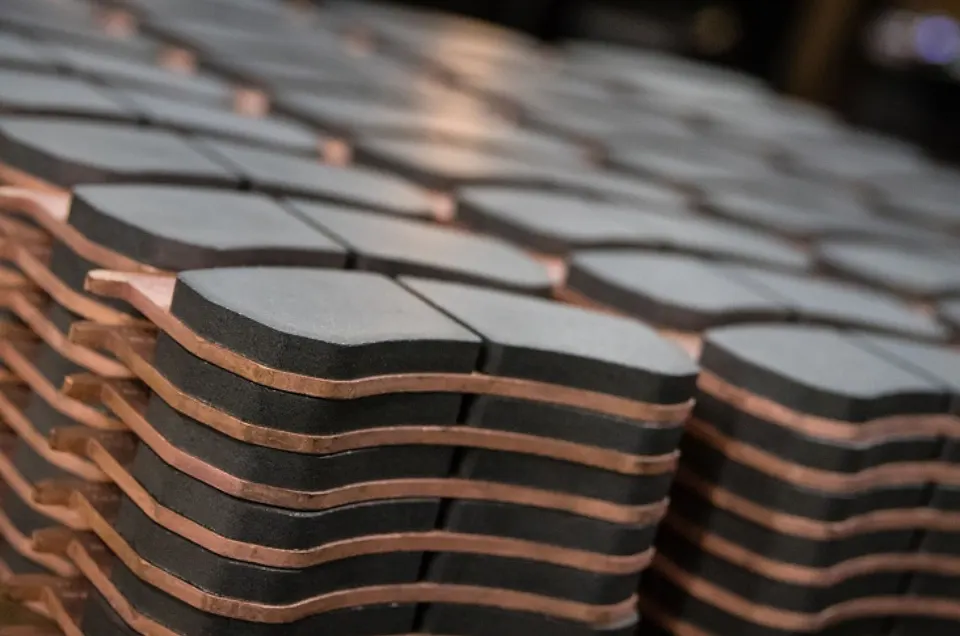
Custom industrial brake pads engineered for your application
FTL is a custom industrial brake pad manufacturer supporting engineering, R&D and technical teams with new, existing and obsolete component requirements.
Start with the application, an existing component, a drawing or the performance problem, not simply a part number.
We develop the friction-material and complete-component route around what the brake must do, the conditions in which it must operate and the evidence required before repeat supply.
When engineering teams need a custom industrial brake pad
The correct route depends on what has prompted the requirement.
A new brake or equipment programme needs a custom component
The braking or holding function is understood, but the friction material, pad construction or repeatable production route has not yet been established. FTL can support the programme from application review and material selection through prototypes, testing, validation support and controlled repeat manufacture.
New Programme Support →An existing industrial brake pad is not performing as required
Inconsistent braking, excessive or unpredictable wear, thermal-performance concerns, or variation between manufactured pads or production batches. FTL can review the available evidence across the friction material, complete component, operating environment and production route.
Performance Optimisation →An original pad, material or supplier is no longer available
The industrial equipment must remain operational, but the original material, drawing, supplier or complete brake pad has become obsolete. FTL can review the application and available component evidence before proposing a redevelopment, prototype and revalidation route.
Legacy & Obsolete Reverse Engineering →The pad currently passes through too many suppliers
The friction material, backing component, machining, bonding, finishing and inspection are divided between separate organisations. FTL can connect the relevant stages through one accountable manufacturing route.
Single-Source Friction Manufacturing →A prototype must progress into controlled repeat supply
The engineering solution needs to move into a defined production arrangement supported by repeat manufacturing controls, inspection, traceability, inventory holding, scheduled call-off, customer-specific packaging and identification, and international delivery.
New Programme Support
For a new industrial brake requirement that needs a defined friction-material, pad-construction and manufacturing route. Support can include application review, material selection or formulation, pad and component engineering, prototype manufacture, testing and inspection, validation support and transfer into controlled repeat production.
Legacy & Obsolete Component Reverse Engineering
For an industrial pad still required after its original material, drawing, supplier or finished component becomes unavailable. Support can include existing-pad and evidence review, dimensional assessment, geometry redevelopment, alternative material selection or development, prototype manufacture, testing and revalidation support and repeat manufacture.
Friction System Performance Optimisation
For an existing brake pad or system with inconsistent braking, excessive or unpredictable wear, thermal-performance concerns or production-repeatability problems. Support can include symptom and evidence review, operating-condition assessment, investigation of material and component factors, alternative formulation or component work, comparative prototypes, testing and inspection and implementation support.
Move from a brake-pad requirement to a controlled engineering and supply route
A custom industrial brake-pad project should define more than the pad's visible shape.
The engineering route must establish the required function, friction material, complete-component construction, manufacturing stages, inspection evidence and responsibilities that apply before repeat supply begins.
Potential engineering outcomes
- A shared definition of the application and required braking or holding function
- A friction-material selection or development route
- A defined pad geometry and component-construction route
- A prototype and test plan
- Agreed inspection and acceptance requirements
- Clear FTL and customer validation responsibilities
- A documented decision on whether further development is required
Potential manufacturing and supply outcomes
- One accountable route from friction material to finished pad
- Controlled machining, bonding, finishing and inspection
- Defined production records and traceability
- Progression from prototype into repeat manufacture
- Inventory and scheduled call-off where agreed
- Customer-specific packaging and labelling
- Worldwide delivery of manufactured components
Performance, service life, lead time and approval outcomes depend on the application, available information, agreed testing and respective customer and FTL responsibilities.
What a custom industrial brake-pad project can include
Not every project requires every stage. FTL can support a defined part or connect the complete route from material work through finished-pad supply.
A complete project can draw on application-led friction-material selection, brake-pad geometry and component engineering, friction and metallic-component machining, controlled bonding and finishing, testing and inspection, and the move into controlled repeat supply. The depth of each stage is documented on the capability pages, where the individual scope, controls and acceptance evidence are described.
What FTL needs to understand before recommending a brake-pad route
A material name, nominal coefficient or existing part number does not define the complete requirement.
Begin with the application and what the pad must achieve.
What is the application?
- What equipment or assembly the pad belongs to
- What the brake is required to stop or hold
- Whether the equipment is new or already in service
- What has prompted the enquiry
- Whether the requirement is for a material, finished pad or complete bonded component
Is this a new design or an existing brake pad?
- A new programme
- A new pad for existing equipment
- An existing pad under performance review
- An obsolete component
- A supply-continuity issue
- A prototype moving towards production
What environment will the pad operate in?
- Temperature
- Load
- Speed
- Contamination
- Available installation space
- Required braking or holding behaviour
- Conditions under which the pad is applied
- Known wear or thermal concerns
One brake pad: a friction block on a backing plate. Every question reads into the same component.
What technical information is available?
- Drawings
- Partial drawings
- Specifications
- Existing components
- Existing material information
- Required performance
- Inspection records
- Test results
- Production or batch information
A complete technical pack is not required before the first conversation.
What must the finished pad demonstrate?
- Required friction behaviour
- Wear expectations
- Thermal requirements
- Dimensional requirements
- Bonding or component-construction requirements
- Inspection requirements
- Acceptance evidence
- Production-repeatability requirements
- Validation and approval responsibilities
How will the pads be manufactured and supplied?
- Prototype quantities
- Expected annual volumes
- Repeat-production schedules
- Inspection frequency
- Inventory holding
- Scheduled call-off
- Packaging
- Labelling and identification
- Export and delivery requirements
Expected annual volumes are deliberately discussed after the application and technical fit have been established.
Select the friction material around the complete industrial brake application
The material must be considered together with the pad construction, operating environment, manufacturing route and evidence required for acceptance.
FTL's confirmed material families include organic, composite, sintered, Kevlar and woven friction materials.
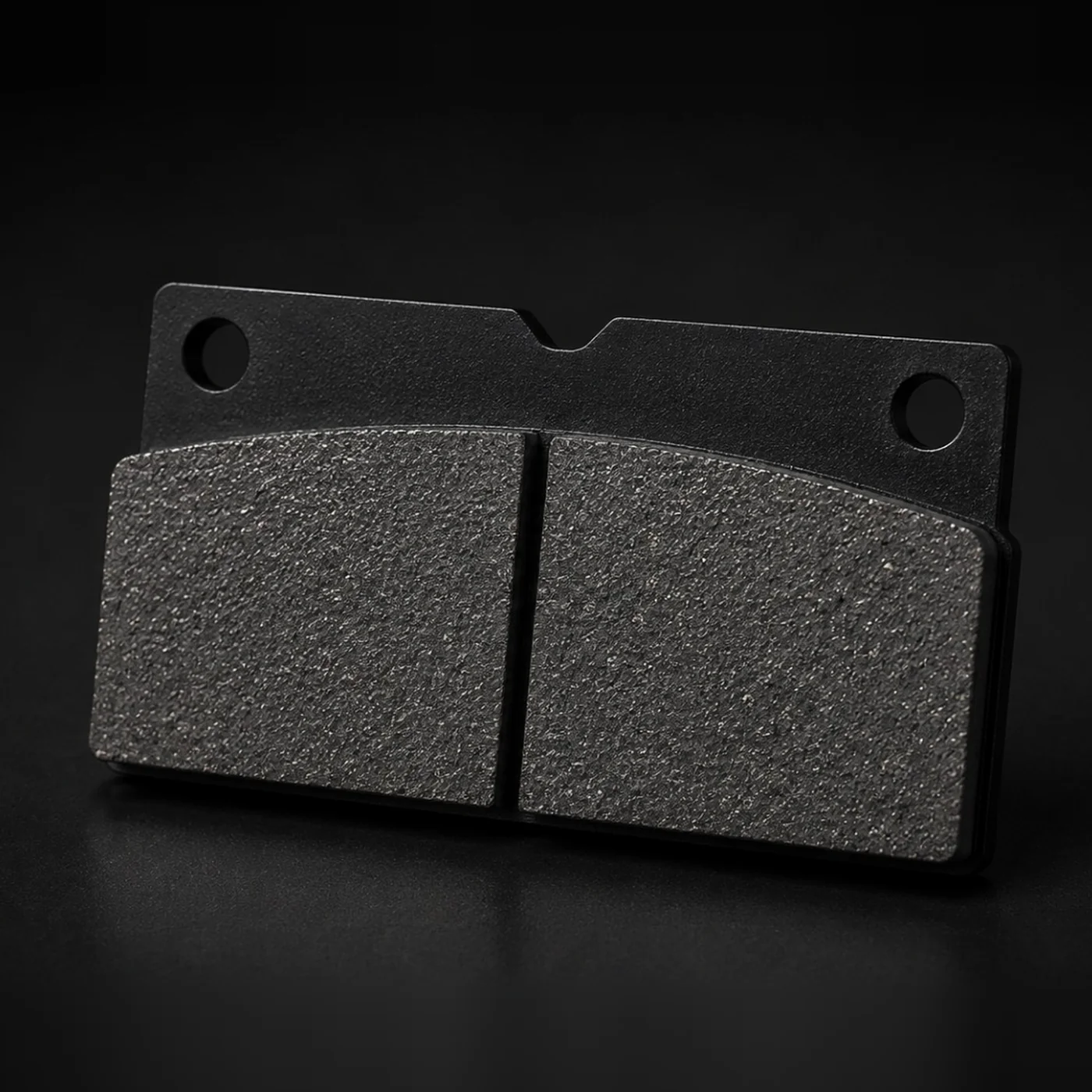
Organic friction materials
An organic formulation may be assessed where its characteristics align with the required function, component construction and agreed test conditions. Suitability cannot be established from the material-family name alone.
Explore Organic Friction Materials →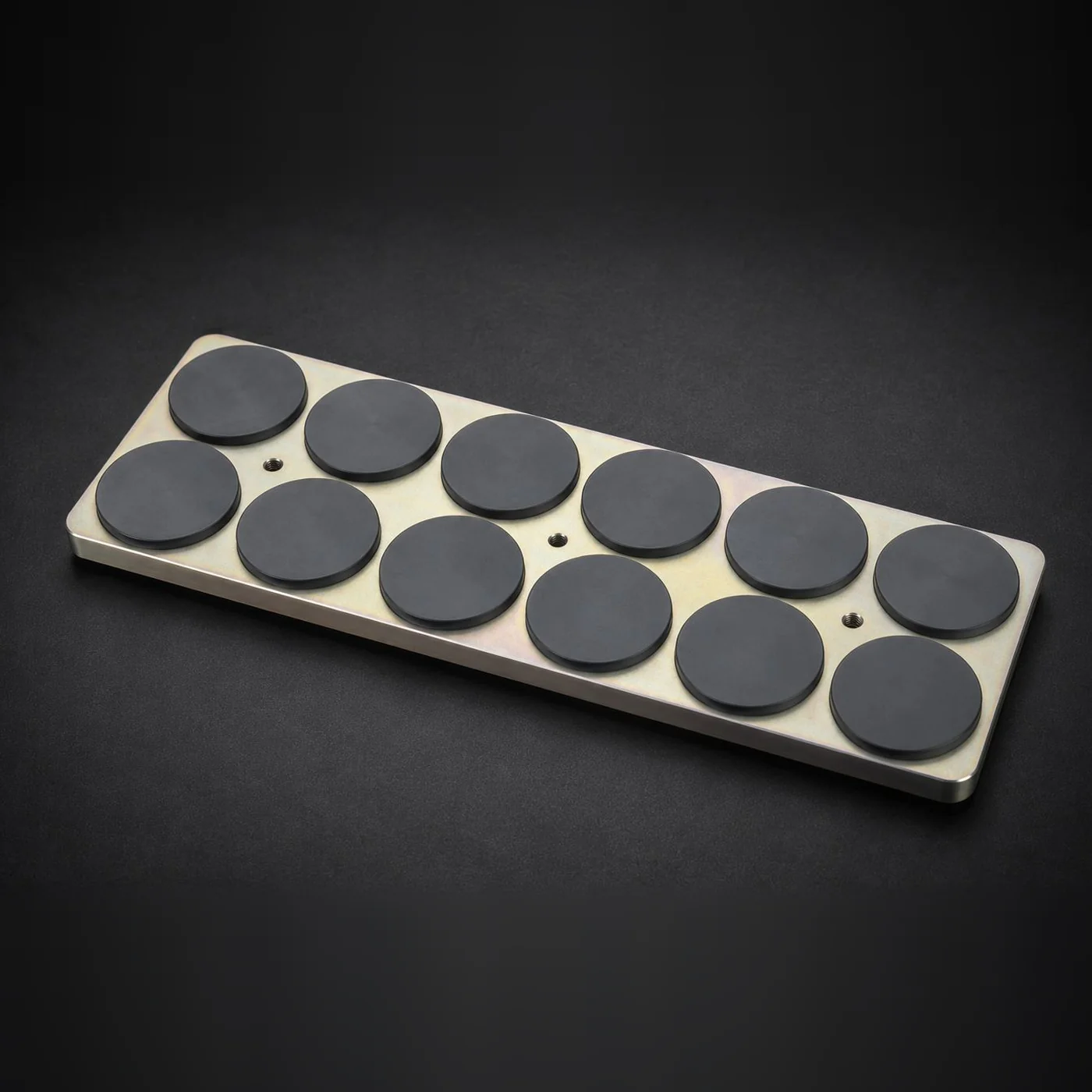
Composite friction materials
FTL can assess an established composite formulation, an optimised formulation or a new development route against the application-specific brief. "Composite" does not describe one universal performance specification.
Explore Composite Friction Materials →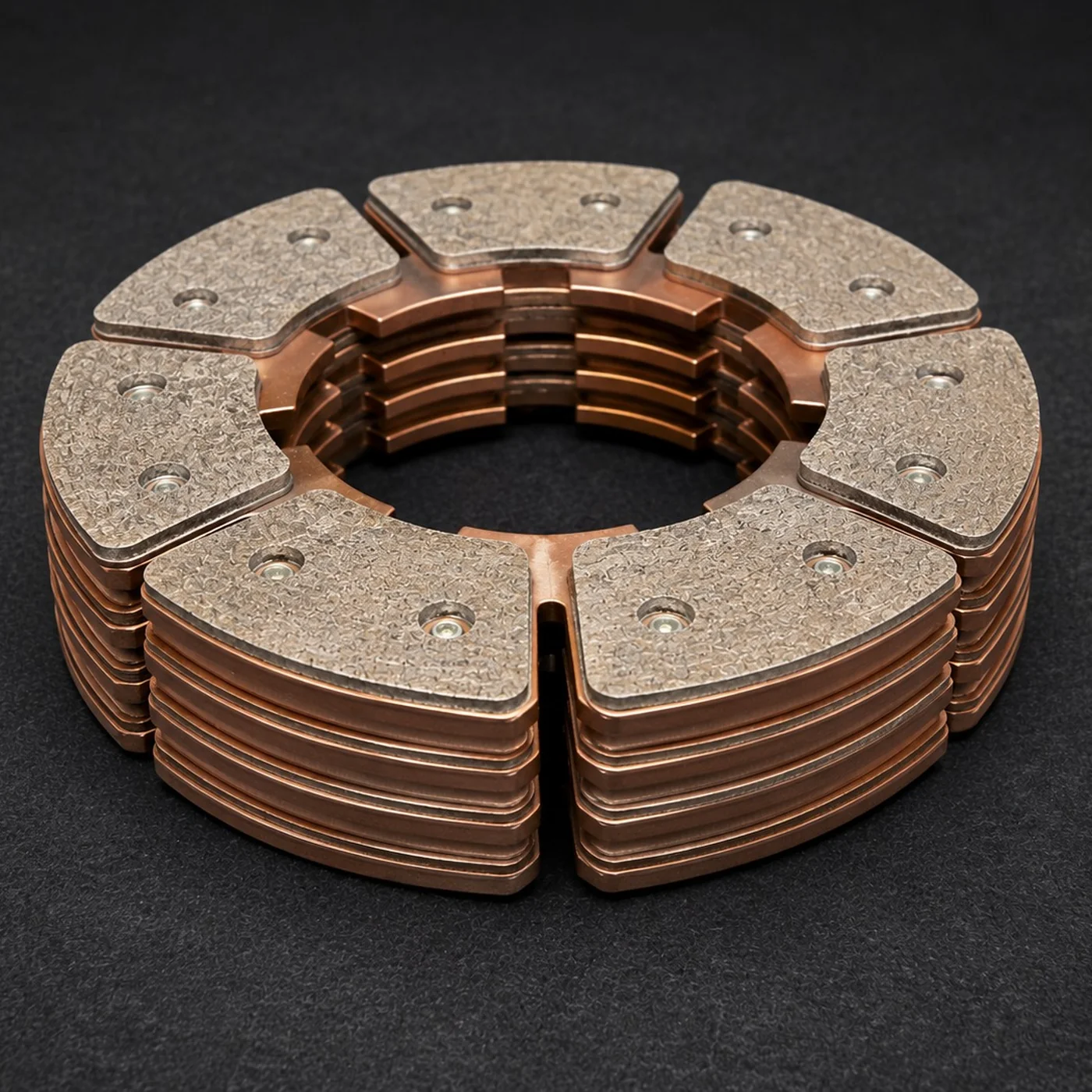
Sintered friction materials
A sintered route may be considered where it is supported by the application, complete pad, operating conditions and required validation evidence.
Explore Sintered Friction Materials →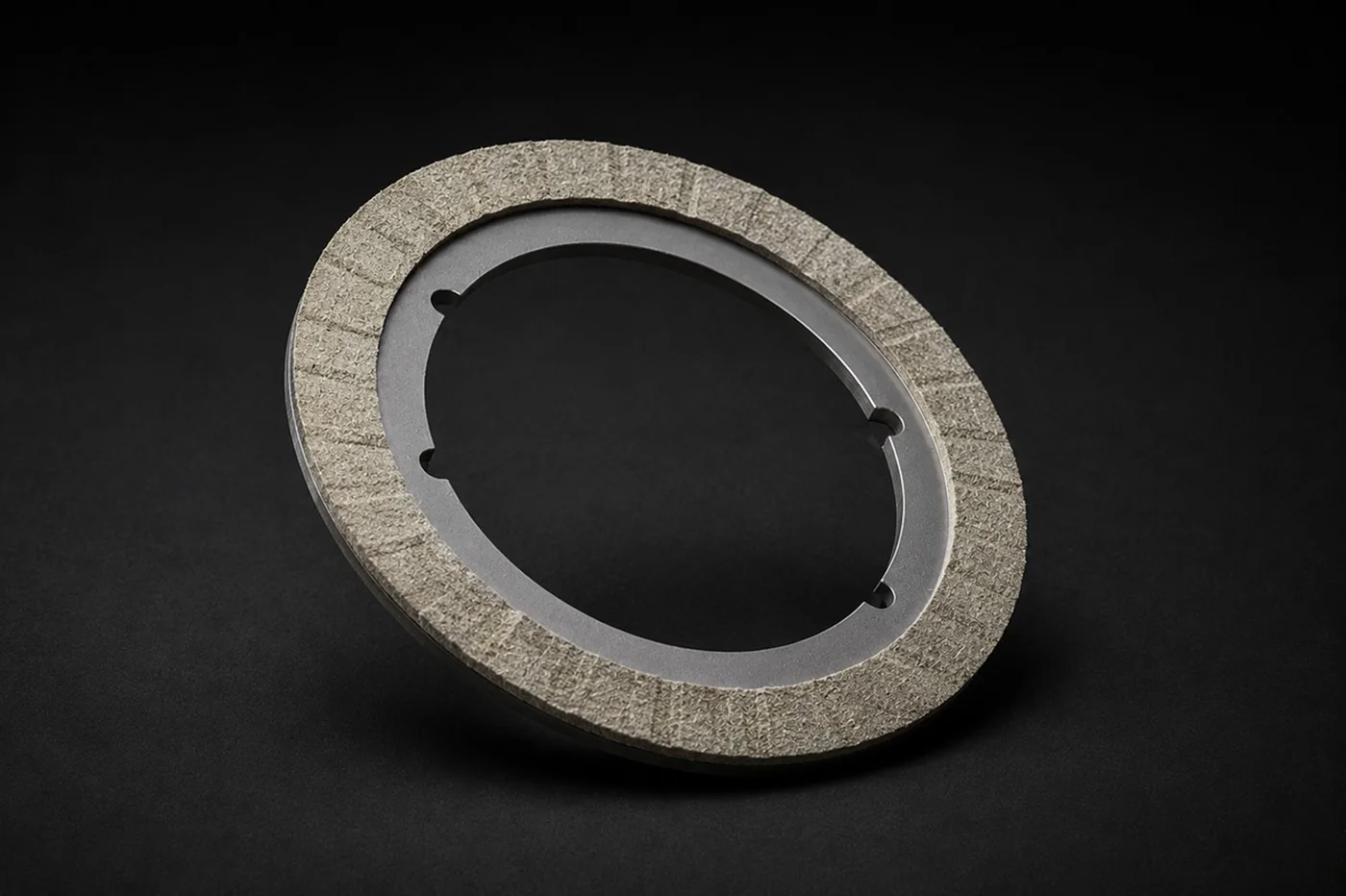
Kevlar friction materials
Kevlar is one of FTL's stated material families and may be assessed where relevant to the required pad behaviour and production route.
Explore Kevlar Friction Materials →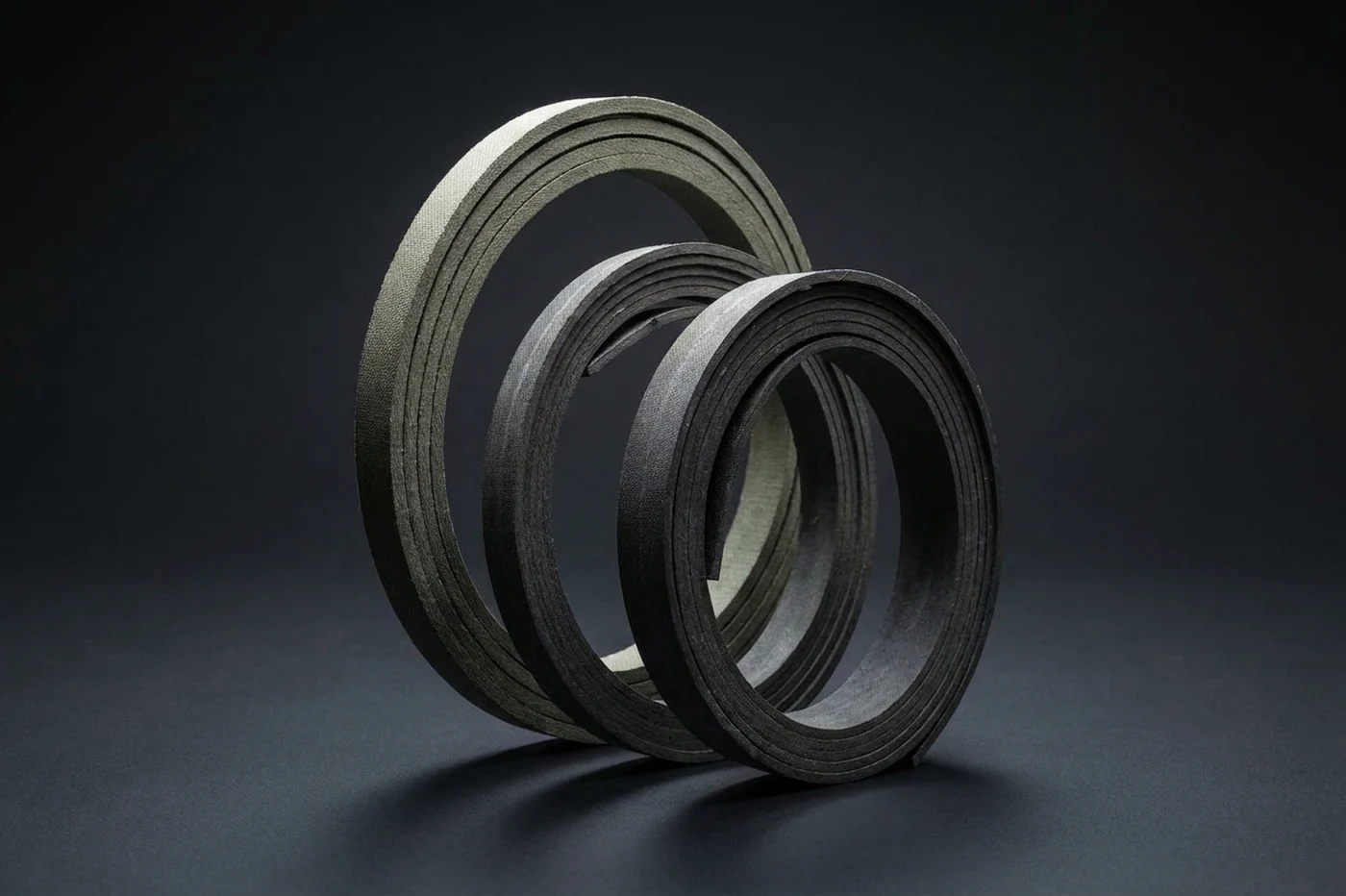
Woven friction materials
A woven material may be reviewed where its format, component integration and characteristics align with the application. Not every woven material is suitable for a bonded industrial brake pad.
Explore Woven Friction Materials →Inputs that shape the material decision
- Required braking or holding behaviour
- Coefficient stability
- Wear rate
- Thermal performance
- Temperature, load, speed, contamination
- Component geometry
- Bonding and finishing requirements
- Inspection and validation evidence
Published data is a starting point. Final material selection depends on the complete application and agreed validation route.
A controlled path from brake-pad brief to repeat manufacture
The exact sequence varies by project, but each stage should produce enough evidence to support the next engineering decision.
Establish technical fit
- Application + required function
- New, existing or obsolete
- Programme stage
- Performance or supply concern
- Information available
Define application requirements
- Temperature, load, speed, contamination
- Installation or component information
- Required braking behaviour
- Existing performance evidence
- Inspection and documentation needs
Establish material and component route
- Established formulation or development work
- Pad geometry development
- Associated metallic component
- Machining, bonding, finishing, inspection stages
- What remains unknown
Agree prototype and test plan
- Material or component variants
- Prototype quantities
- Manufacturing stages
- Features and dimensions to inspect
- Tests + acceptance evidence
- FTL and customer responsibilities
Manufacture the prototype pads
- Friction-material production
- Friction and metallic-component machining
- Surface preparation
- Bonding, finishing, assembly
- Inspection
Test, inspect and refine
- Agreed material, dynamic, dimensional or bond testing
- Evidence reviewed against requirements
- Revise material, geometry or route where needed
Support validation and approval
- Engineering, manufacturing, test, inspection and traceability evidence within scope
- Final equipment, system, customer or regulatory approval responsibilities agreed per project
Transfer into controlled repeat supply
- Repeat-production controls
- Inspection and traceability
- Inventory holding, scheduled call-off
- Customer-specific packaging and identification
- Export documentation, international delivery
Testing and inspection tied to defined engineering questions
Testing should be selected around what the project needs to establish, not used as a generic claim that a pad will perform in every industrial brake system.
Depending on the agreed scope, a project can draw on coefficient-stability and wear-rate assessment, thermal-performance and bond-integrity testing, CMM dimensional inspection and production evidence such as in-process checks, final inspection and batch traceability. The available methods, conditions and acceptance evidence are described in full on the testing and inspection capability page.
The exact samples, test conditions, methods, acceptance criteria and customer responsibilities must be agreed before testing begins.
Keep the friction material connected to the finished industrial brake pad
A fragmented route can divide responsibility between the material formulator, friction-component machinist, backing-component supplier, bonder, finisher, test provider and inspector.
FTL can connect the relevant stages through one engineering and manufacturing chain, helping keep the material, component and production decisions aligned and the friction material connected to the finished pad.
The full connected route, from application review through friction-material selection, machining, bonding, finishing, testing and traceability to scheduled supply, is set out on the Single-Source Friction Manufacturing page.
Actual lead-time, procurement or cost benefits depend on the current supply arrangement and agreed project scope.
Custom industrial brake pads for defined equipment applications
FTL's confirmed industrial scope includes general industrial braking, crane, motor and safety-equipment applications.
Each enquiry still requires review of the individual component and operating environment.
General industrial braking
FTL can review custom pad requirements where equipment needs a controlled braking or holding function. The project may begin with a new design, an existing pad, a performance concern, an obsolete component, a drawing or specification, or a physical sample with incomplete information.
Crane braking and holding applications
FTL can assess custom industrial brake-pad requirements used within crane-related braking or holding contexts. Material or component selection depends on the specific load, speed, temperature, environment and required evidence.
Motor braking applications
FTL can review friction pads used within motor braking and associated motion-control applications. The technical brief should explain what must be stopped or held and under which operating conditions.
Safety-equipment applications
FTL can assess custom friction-component requirements for safety equipment where controlled manufacture, repeatability and supply continuity are important. The required function, test scope and acceptance responsibilities must be agreed before any suitability claim is made.
These are application contexts rather than stock product categories. FTL should confirm technical fit for every enquiry.
Questions buyers need answered before approving a custom brake pad
Can FTL match or improve the current material performance?
FTL can review the current pad, available material information, operating conditions and required behaviour before proposing an established, optimised or newly developed route. Whether performance can be matched or improved depends on available application evidence, defined operating conditions, complete pad construction, agreed test conditions, acceptance criteria and validation responsibilities. No outcome should be guaranteed before the review and required development work are complete.
Is the proposed pad already proven in service?
Where relevant approved application history or established-material evidence exists, FTL can identify it during the technical discussion. A new, modified or redeveloped industrial application may still require project-specific testing and customer validation.
How does FTL support consistent quality and repeatability?
The available route connects friction-material formulation, pad and component engineering, machining, surface preparation, bonding, finishing, testing, inspection, production documentation and batch and lot traceability. The exact production controls and acceptance requirements are agreed for the individual project.
Does FTL have the capability to manufacture the complete pad?
Yes, where the project fits FTL's confirmed scope. FTL can support the friction material and complete-component route through engineering, machining, bonding, finishing, testing, inspection and repeat supply.
Can FTL supply the pads sooner?
There is no standard lead time for every industrial brake-pad project. Timing depends on information available, material-development work, pad and backing-component complexity, prototype iterations, testing and inspection, customer validation, production quantities and supply requirements. FTL should confirm the proposed stages and timing after the initial technical review.
Can the price be improved?
Pricing depends on the agreed engineering, material, component, testing, documentation, volume and supply scope. The first conversation establishes technical fit. Commercial options can then be reviewed against the actual requirement rather than a standard online price.
A trusted, accountable supplier since 2003
High-performance friction and braking solutions, backed by decades of in-house expertise and supplied to OEM and aftermarket customers worldwide.
Company-level standards support organisational and manufacturing assurance. Material suitability, component acceptance and programme requirements must still be agreed for the individual industrial application.
Brake-pad engineering backed by controlled manufacture
SDTS approached FTL after an original aircraft brake pad became unavailable. FTL redesigned the pad, established a replacement material route and manufactured a component aligned with the stated aeronautical technical requirements, supporting SDTS's modification-certification process. This is an aircraft brake-pad redevelopment example that demonstrates relevant manufacturing capability rather than industrial-equipment proof.
“To continue flying our aircraft, we approached FTL to find replacement solutions for our brake pad problem, as the original part was no longer available on the market. The quality of our discussions, from both a technical and commercial standpoint, FTL's responsiveness in redesigning the pad with a material that meets aeronautical technical requirements, and their ability to adapt to our aeronautical environment allowed us to certify a modification applicable to our aircraft. The quality of the manufactured product is remarkable. Thanks to FTL, we can continue to fly, land, and brake safely.”
Olivier Moulin 
Confirmed organisational proof
- More than 20 years of experience
- Friction and metallic-component machining
- Controlled bonding and finishing
- Material, dynamic and shear testing
- CMM dimensional inspection
- Batch and lot traceability
Customer proof






Is FTL the right route for your industrial brake-pad requirement?
FTL is a strong fit when:
- Your team has an application brief rather than a stock-parts request
- A new brake pad requires a custom material or component route
- An existing pad has braking, wear or thermal concerns
- The original material, drawing, supplier or complete pad is obsolete
- The requirement includes a bonded pad or associated metallic component
- Prototype work may need to progress into repeat manufacture
- Testing, inspection and traceability matter
- You want fewer suppliers across material, machining, bonding and finishing
- The finished pads require scheduled or international supply
A different route may be more appropriate when:
- You need an off-the-shelf pad immediately
- You are purchasing solely by part number
- You need a stock or replacement catalogue
- Price is the only selection criterion
- No technical or manufacturing review is required
- You are seeking a consumer, vehicle or online brake-pad product
Frequently asked questions about custom industrial brake pads
What is a custom industrial brake pad?
Does FTL keep standard industrial brake pads in stock?
Can FTL manufacture industrial brake pads to a drawing?
Can FTL work without the original drawing?
What friction materials can FTL use for industrial brake pads?
Does FTL manufacture the backing component as well as the friction material?
Can FTL supply a bonded industrial brake pad?
Does FTL manufacture integrally moulded or riveted industrial brake pads?
Can FTL reverse engineer an obsolete industrial brake pad?
Can FTL investigate an industrial brake pad that is wearing too quickly?
Can FTL investigate inconsistent braking or thermal problems?
What testing and inspection can FTL support?
Can FTL guarantee that a new pad will improve performance?
Is every FTL industrial brake pad already proven in service?
Can prototype pads progress into repeat production?
How quickly can FTL manufacture an industrial brake pad?
When are price and annual volumes discussed?
Can FTL supply industrial brake pads outside the UK?
Ask an FTL engineer about industrial brake pads
A part number, a machine, or the problem in your own words.
Bring FTL the brake application, existing pad or performance problem
Tell FTL what the brake pad needs to do, what has prompted the enquiry and what information your team currently has.
A short initial brief is enough.
The relevant technical, engineering and commercial team members can then review the operating conditions, material route, complete-component requirements and most appropriate next step.
Optional drawing or specification upload available.